


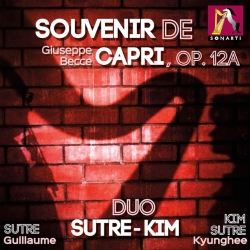
Giuseppe Becce
Released Album
Vocal
-
 April 26, 2005
Chamber
-
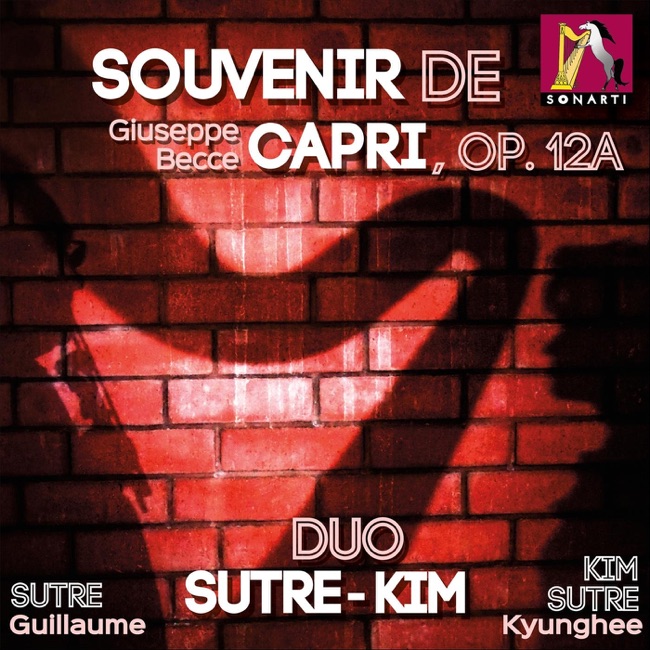 August 24, 2018
Artist Info
Role:ComposerCountry: ItalyBirth:February 3, 1877 in Lonigo, ItalyDeath:October 5, 1973 in Berlin, GermanyGenre:ChamberFilmVocalGiuseppe Becce was a prominent classical music composer who was born on February 2, 1877, in Lonigo, Italy. He was the son of a musician and grew up in a family that was passionate about music. Becce's father was a violinist, and his mother was a singer, which meant that he was exposed to music from a very young age. Becce's musical talent was evident from an early age, and he began studying music at the age of six. He started with the piano and later learned to play the violin and the cello. Becce's father was his first music teacher, and he received formal training in music theory and composition from the Conservatory of Milan. In 1896, Becce moved to Berlin, Germany, where he began his career as a composer. He quickly established himself as a talented composer and became known for his innovative approach to music. Becce's music was heavily influenced by the Romantic era, and he was particularly interested in the works of Richard Wagner. Becce's early works were primarily chamber music, but he soon began composing for the theater and the cinema. In 1913, he composed the music for the silent film "Der Student von Prag," which was a huge success. This marked the beginning of Becce's career as a film composer, and he went on to compose music for over 200 films. Becce's film scores were known for their emotional depth and their ability to enhance the mood and atmosphere of the films. He was particularly skilled at creating music that reflected the emotions of the characters and the themes of the films. Becce's film scores were also notable for their use of leitmotifs, which were musical themes that were associated with specific characters or ideas. One of Becce's most famous film scores was for the 1920 film "Das Cabinet des Dr. Caligari." The film was a groundbreaking work of German Expressionist cinema, and Becce's score was an integral part of its success. The score was composed for a small ensemble of instruments, including a piano, a violin, a cello, and a clarinet. The music was eerie and unsettling, perfectly capturing the mood of the film. Becce's other notable film scores include "Metropolis" (1927), "M" (1931), and "The Blue Angel" (1930). His music was also used in many other films, including "The Golem" (1920), "Nosferatu" (1922), and "The Man Who Laughs" (1928). In addition to his work as a film composer, Becce also composed music for the theater. He wrote several operas, including "Der Tod des Tizian" (1915) and "Der Golem" (1926). He also composed music for ballets, including "Die Puppenfee" (1913) and "Der Schneemann" (1917). Becce's music was highly regarded during his lifetime, and he received many honors and awards for his work. In 1937, he was awarded the Goethe Medal for Art and Science, and in 1942, he was awarded the National Prize for Art and Science by the German government. Becce continued to compose music until his death on October 5, 1973, in Berlin, Germany. His legacy as a composer lives on, and his music continues to be performed and enjoyed by audiences around the world.More....
Recent Artist Music
Copyright Ⓒ 2013 Davinci Finger. All rights reseved
Service Terms & Policy