


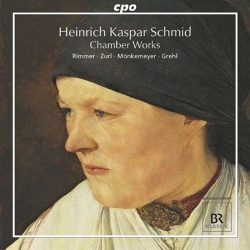
Heinrich Kaspar Schmid
Released Album
Chamber
-
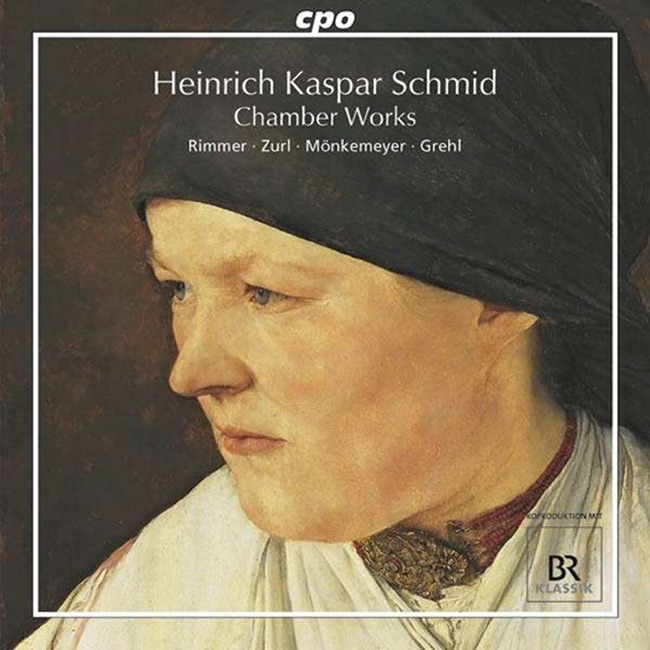 April 27, 2010
 -
 February 28, 2006
 -
 March 8, 2005
 -
 April 6, 2004
Keyboard
-
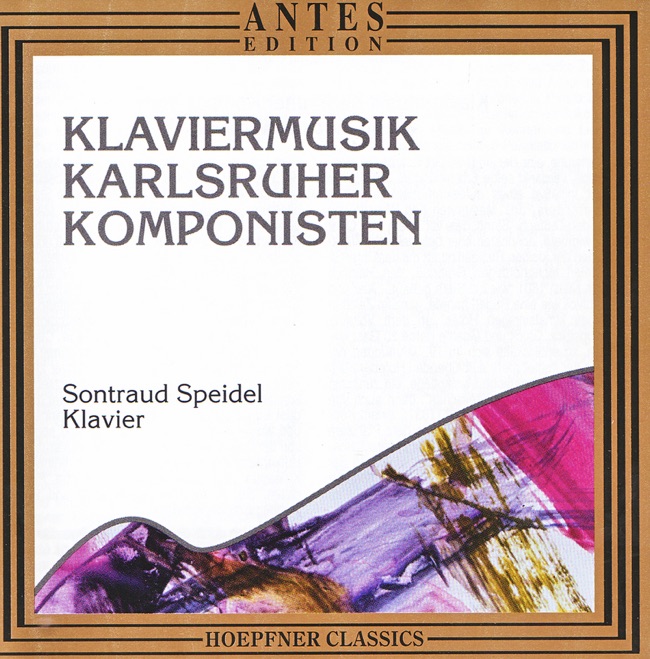 April 6, 2012
Artist Info
Role:ComposerBirth:September 11, 1874Death:January 8, 1953Period:ModernGenre:ChamberHeinrich Kaspar Schmid was a German composer and music educator who lived from 1874 to 1953. He was born in the town of Giengen an der Brenz, located in the state of Baden-Württemberg in southern Germany. Schmid was the son of a music teacher, and he began his own musical education at a young age. He studied piano, organ, and composition with his father, as well as with other local teachers. Schmid's musical talent was evident from an early age, and he quickly became known as a gifted composer. He began writing music while still a teenager, and his early works were well-received by local audiences. In 1893, at the age of 19, Schmid moved to Stuttgart to study music at the conservatory there. He studied composition with Max von Schillings and piano with Wilhelm Krüger. After completing his studies in Stuttgart, Schmid began his career as a music educator. He taught at several schools in southern Germany, including the music school in Ulm and the conservatory in Augsburg. In 1906, he was appointed director of the music school in Heilbronn, a position he held for 25 years. During his time in Heilbronn, Schmid became known as a dedicated and innovative music educator. He introduced new teaching methods and encouraged his students to explore a wide range of musical styles. Despite his busy schedule as a music educator, Schmid continued to compose throughout his career. He wrote music in a variety of genres, including orchestral works, chamber music, choral music, and songs. His music was influenced by a wide range of styles, including Romanticism, Impressionism, and folk music. One of Schmid's most famous works is his Symphony No. 3 in F major, which he composed in 1912. The symphony is a large-scale work that showcases Schmid's skill as a composer. It is written in four movements and features lush harmonies and sweeping melodies. The symphony was well-received by audiences and critics alike, and it remains one of Schmid's most popular works. Another notable work by Schmid is his String Quartet No. 1 in D minor, which he composed in 1902. The quartet is a powerful and emotional work that showcases Schmid's skill as a composer of chamber music. It is written in four movements and features intricate counterpoint and rich harmonies. In addition to his symphonies and chamber music, Schmid also wrote a number of choral works. One of his most famous choral works is his setting of the German folk song "Die Lorelei." The piece is a beautiful and haunting setting of the famous poem by Heinrich Heine. Schmid's setting features lush harmonies and a soaring melody, and it has become a staple of the choral repertoire. Throughout his career, Schmid remained dedicated to music education. He believed that music was an essential part of a well-rounded education, and he worked tirelessly to promote music education in Germany. He was a member of several music education organizations, and he wrote numerous articles and books on music education. Schmid's contributions to music education were recognized by the German government in 1949, when he was awarded the Order of Merit of the Federal Republic of Germany. He continued to teach and compose until his death in 1953. Today, Heinrich Kaspar Schmid is remembered as one of Germany's most important composers and music educators. His music continues to be performed and recorded, and his contributions to music education have had a lasting impact on generations of musicians.More....
Recent Artist Music
Copyright Ⓒ 2013 Davinci Finger. All rights reseved
Service Terms & Policy