


Nikolaus Hasse
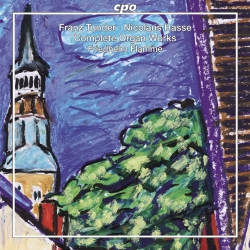
Released Album
Keyboard
-
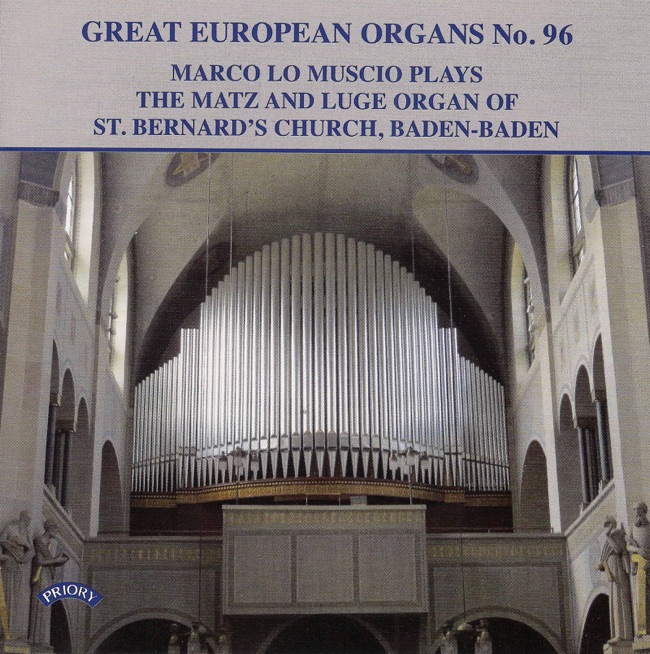
-
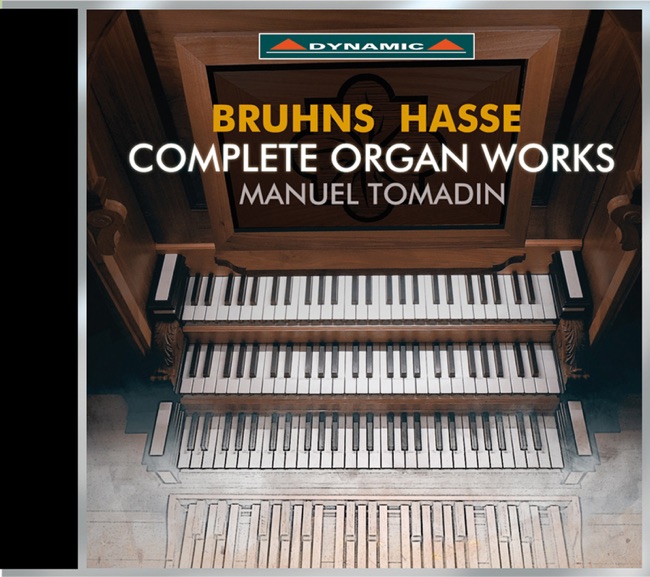 February 3, 2014
 -
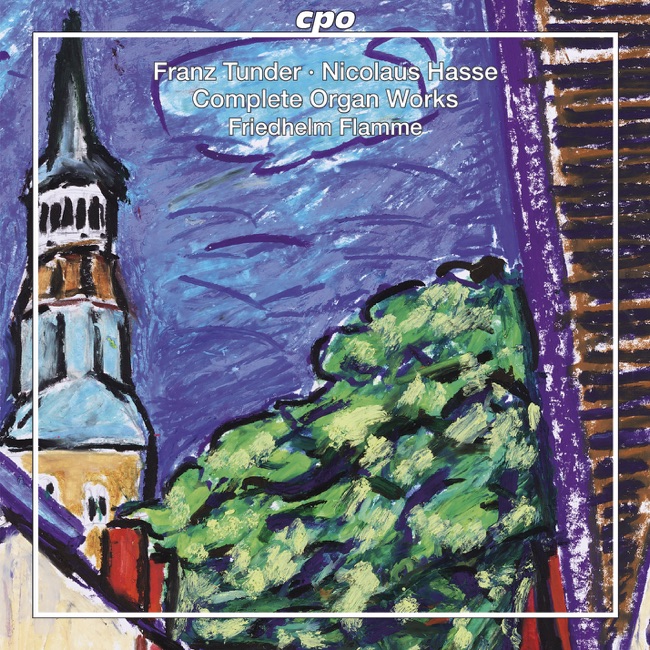
Artist Info
Role:ComposerCountry: GermanyBirth:1617Death:March 8, 1672Period:BaroqueGenre:KeyboardVocalNikolaus Hasse was a German composer of classical music who lived from 1561 to 1602. He was born in Bergamo, Italy, to a family of musicians. His father, Alessandro Hasse, was a composer and singer, and his mother, Caterina, was a harpist. Nikolaus grew up in a musical environment and showed an early talent for music. At the age of 14, Nikolaus moved to Venice to study music with the famous composer Giovanni Gabrieli. He spent several years in Venice, studying composition, counterpoint, and music theory. During this time, he also became proficient in playing the organ and the harpsichord. In 1580, Nikolaus moved to Munich, where he became the court organist for Duke Wilhelm V of Bavaria. He held this position for the rest of his life and became one of the most respected musicians in Munich. He also served as the director of music for the court and was responsible for organizing concerts and other musical events. Nikolaus was a prolific composer and wrote music in a variety of genres, including sacred music, secular music, and instrumental music. His most famous works are his sacred music compositions, which include masses, motets, and hymns. His music was known for its rich harmonies, complex counterpoint, and expressive melodies. One of his most famous works is the Missa Secunda, a mass for four voices and organ. This mass is known for its intricate polyphony and beautiful harmonies. Another famous work is the motet "O sacrum convivium," which is a setting of a Latin text that is often used in Catholic liturgy. Nikolaus also wrote a number of secular songs and instrumental pieces. His instrumental music includes works for the organ, harpsichord, and lute. One of his most famous instrumental works is the Fantasia for Lute, which is a virtuosic piece that showcases the technical abilities of the lute player. Throughout his career, Nikolaus was highly respected by his peers and was considered one of the leading composers of his time. He was known for his innovative use of harmony and his ability to create complex polyphonic textures. His music was widely performed during his lifetime and continued to be performed and admired long after his death. Nikolaus died in Munich in 1602 at the age of 41. Despite his relatively short life, he left behind a rich legacy of music that continues to be appreciated and studied by musicians and music lovers around the world. His contributions to the development of classical music have earned him a place among the great composers of the Renaissance era.More....
Recent Artist Music
2
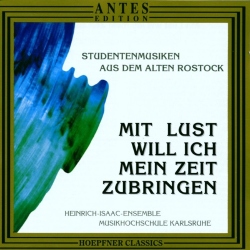
2:26
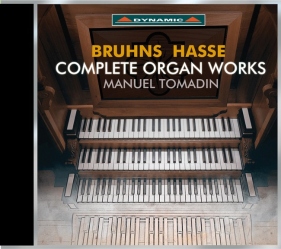
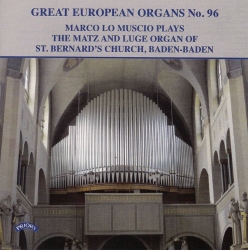
5
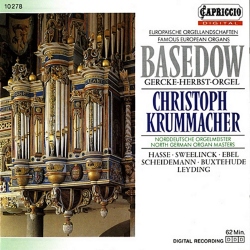
6:57
6
3:51
Copyright Ⓒ 2013 Davinci Finger. All rights reseved
Service Terms & Policy