


Gunnar Hahn
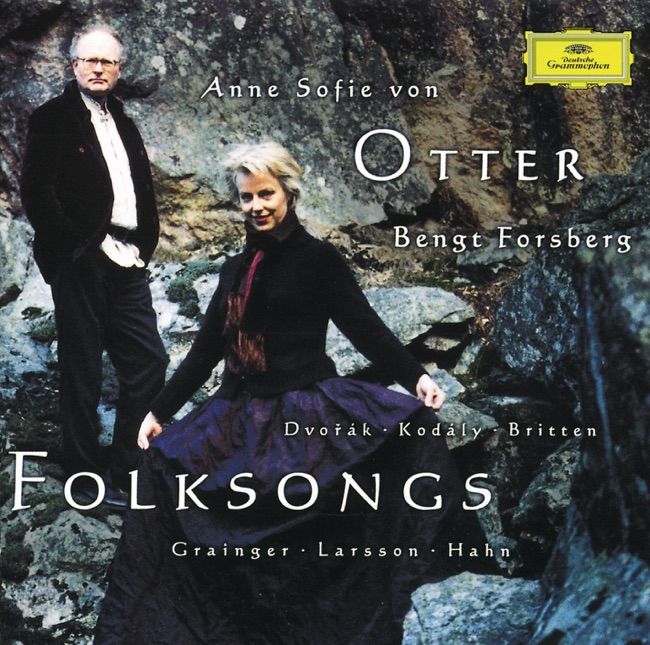
Artist Info
Role:Composer PerformerGenre:ChamberVocalGunnar Hahn was a Swedish composer and conductor who was born on May 4, 1908, in Stockholm, Sweden. He was the son of a music teacher and grew up in a musical family. Hahn began his musical education at a young age, studying piano and violin with his mother. He later studied composition with Ernst Ellberg and conducting with Tor Mann. Hahn's early compositions were influenced by the neoclassical style of Stravinsky and Hindemith. He also drew inspiration from Swedish folk music and the works of Swedish composer Hugo Alfvén. Hahn's first major work was his Symphony No. 1, which he composed in 1933. The symphony was well-received and established Hahn as a promising young composer. In 1935, Hahn was appointed conductor of the Gävle Symphony Orchestra, a position he held until 1942. During his time in Gävle, Hahn continued to compose and conduct, and he also became involved in the Swedish Society of Composers. In 1942, Hahn was appointed conductor of the Malmö Symphony Orchestra, a position he held until 1951. During his time in Malmö, Hahn continued to compose and conduct, and he also became involved in the International Society for Contemporary Music. He was a strong advocate for contemporary music and worked to promote the works of young composers. Hahn's own compositions during this period were characterized by a more modernist style, with influences from Bartók and Stravinsky. In 1951, Hahn was appointed conductor of the Gothenburg Symphony Orchestra, a position he held until 1960. During his time in Gothenburg, Hahn continued to compose and conduct, and he also became involved in the Swedish Radio Symphony Orchestra. He was a strong advocate for the development of new music and worked to promote the works of young composers. Hahn's compositions during this period were characterized by a more experimental style, with influences from serialism and aleatoric music. He also began to incorporate electronic music into his works, using tape recorders and other electronic devices to create new sounds and textures. One of Hahn's most famous works from this period is his Symphony No. 4, which he composed in 1957. The symphony is a complex and challenging work, with intricate rhythms and dissonant harmonies. It is considered one of Hahn's most important works and has been performed by orchestras around the world. In 1960, Hahn retired from his position as conductor of the Gothenburg Symphony Orchestra. He continued to compose and conduct, but he also became involved in music education. He taught composition and conducting at the Royal College of Music in Stockholm and was a mentor to many young composers. Hahn's later compositions were characterized by a more tonal and lyrical style, with influences from Swedish folk music and the works of Sibelius. He also continued to experiment with electronic music, incorporating synthesizers and other electronic devices into his works. One of Hahn's most famous works from this period is his Symphony No. 7, which he composed in 1972. The symphony is a more tonal and lyrical work, with influences from Swedish folk music and the works of Sibelius. It is considered one of Hahn's most beautiful works and has been performed by orchestras around the world. Hahn continued to compose and conduct until his death on December 29, 1984. He left behind a legacy of innovative and challenging works, as well as a commitment to the development of new music and the promotion of young composers.More....
Recent Artist Music
Copyright Ⓒ 2013 Davinci Finger. All rights reseved
Service Terms & Policy