


Albert Schweitzer
Released Album
Keyboard
-
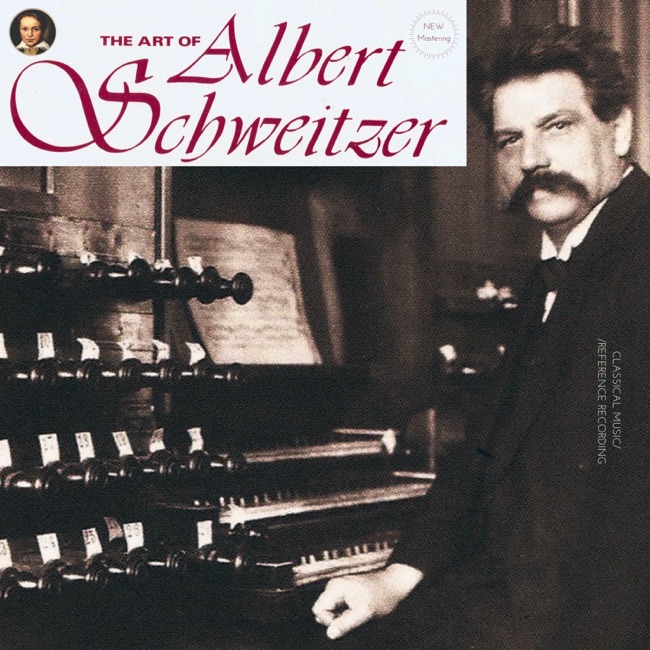 August 2, 2021
 -
 March 13, 2021
 -
 September 1, 2015
 -
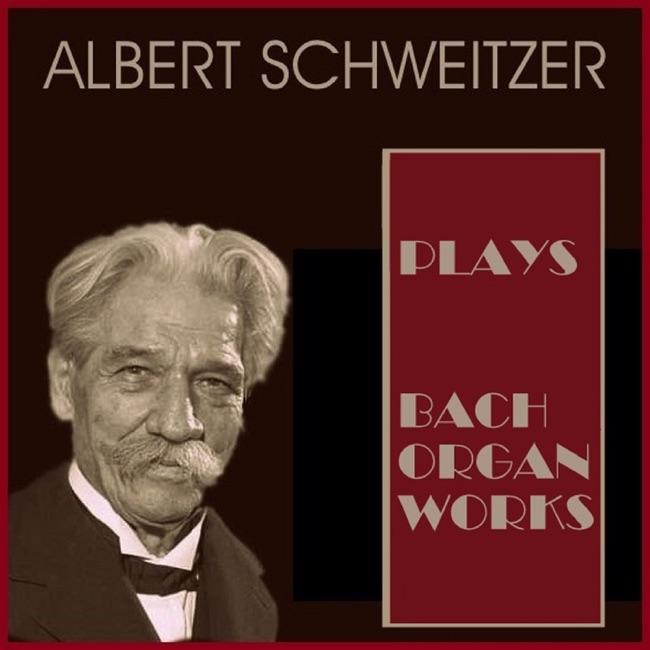 April 10, 2015
 -
 February 5, 2015
 -
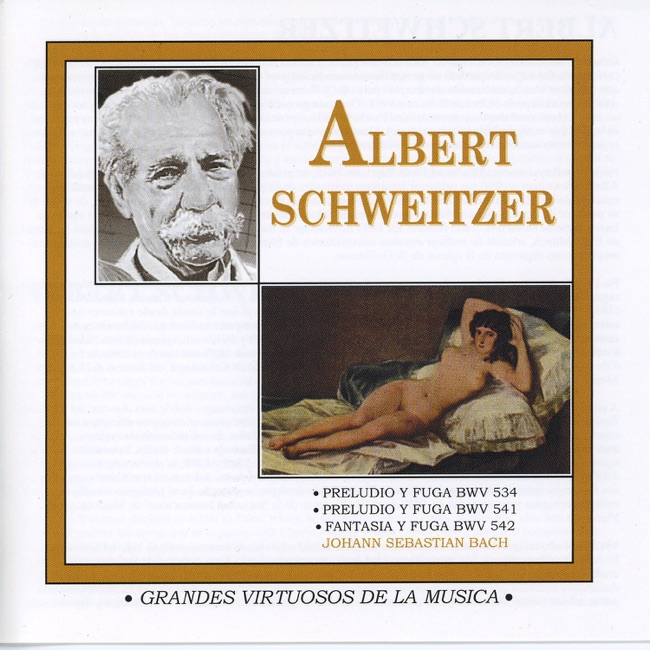 August 10, 2013
Artist Info
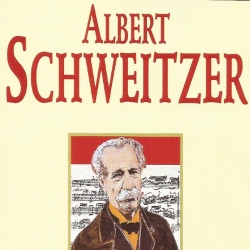
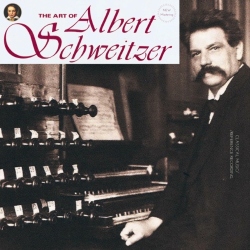
Birth:January 14, 1875 in Kaysersberg-Vignoble, FranceDeath:September 4, 1965 in Lambaréné, GabonGenre:KeyboardAlbert Schweitzer was a renowned classical music artist, theologian, philosopher, and physician. He was born on January 14, 1875, in Kaysersberg, Alsace-Lorraine, which was then a part of Germany. His father, Louis Schweitzer, was a Lutheran pastor, and his mother, Adele Schillinger, was a homemaker. Albert was the second of three children. Schweitzer showed an early interest in music and began playing the piano at the age of six. He was a prodigious talent and gave his first public performance at the age of ten. He continued to study music throughout his childhood and adolescence, and by the time he was a teenager, he was already an accomplished organist. In 1893, Schweitzer enrolled at the University of Strasbourg to study theology and philosophy. He continued to pursue his musical interests and became a student of Charles-Marie Widor, a prominent French composer and organist. Schweitzer's musical abilities continued to develop, and he began to perform in public concerts. In 1898, Schweitzer completed his doctoral thesis on the religious philosophy of Immanuel Kant. He was awarded a doctorate in philosophy and theology, and he began to work as a pastor in Strasbourg. However, he continued to pursue his musical interests and gave concerts throughout Europe. In 1905, Schweitzer made a decision that would change the course of his life. He decided to become a medical doctor and to devote himself to missionary work in Africa. He enrolled at the University of Strasbourg to study medicine, and he completed his medical degree in 1913. In 1913, Schweitzer and his wife, Helene Bresslau, traveled to Lambaréné, Gabon, in French Equatorial Africa, where they established a hospital. Schweitzer worked as a physician and surgeon, and he also continued to play the organ and give concerts. He became known as "the jungle doctor" and was admired for his dedication to the people of Africa. During World War I, Schweitzer and his family were interned in France as enemy aliens. However, he continued to work on his medical research and to write about his experiences in Africa. In 1920, he published his first book, "The Quest of the Historical Jesus," which became a bestseller and established him as a leading theologian. In 1923, Schweitzer returned to Europe to give a series of concerts to raise money for his hospital in Africa. He was hailed as a musical genius and became one of the most famous organists of his time. He continued to give concerts throughout Europe and the United States, and he recorded several albums of his music. In 1952, Schweitzer was awarded the Nobel Peace Prize for his humanitarian work in Africa. He continued to work as a physician and surgeon until his death in 1965. He was also a prolific writer and published numerous books on theology, philosophy, and music. Schweitzer's legacy as a musician and humanitarian continues to inspire people around the world. His dedication to the people of Africa and his commitment to social justice have made him a hero to many. His music, which is characterized by its emotional depth and technical virtuosity, continues to be admired by musicians and music lovers alike.More....
Recent Artist Music
1
7:9
2
4:13
3
8:58

6

7:17

9
6:59
11

Albert Schweitzer
Ansprache anlässlich der Verleihung der Ehrenbürgerschaft der Stadt Frankfurt am Main
10:55
12

2:9
Copyright Ⓒ 2013 Davinci Finger. All rights reseved
Service Terms & Policy