


Antonio Carlos DeFeo
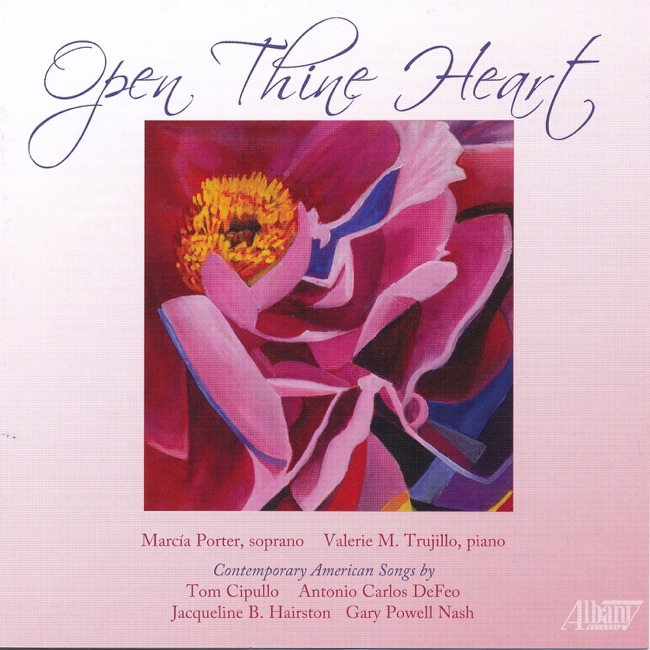
Artist Info
Role:ComposerAntonio Carlos DeFeo was a Brazilian classical music composer born on August 9, 1936, in Rio de Janeiro, Brazil. He was the son of a music teacher and grew up in a musical family. His father, a pianist, taught him how to play the piano at a young age, and he quickly showed a natural talent for music. DeFeo began his formal music education at the National School of Music in Rio de Janeiro, where he studied composition with Henrique Morelenbaum and conducting with Eleazar de Carvalho. He also studied piano with Magdalena Tagliaferro and theory with Guerra Peixe. In 1959, DeFeo received a scholarship to study at the Juilliard School in New York City, where he studied composition with Vincent Persichetti and conducting with Jean Morel. He also studied piano with Rosina Lhévinne and chamber music with Felix Galimir. After completing his studies at Juilliard, DeFeo returned to Brazil and began his career as a composer and conductor. He was appointed the conductor of the Brazilian Symphony Orchestra in 1962, a position he held for ten years. During his tenure, he conducted many premieres of Brazilian works and established the orchestra as one of the leading ensembles in South America. DeFeo's compositions are characterized by their use of Brazilian folk music and rhythms, combined with classical forms and techniques. His works include orchestral, chamber, and vocal music, as well as music for film and television. One of DeFeo's most famous works is his "Sinfonia dos Orixás" (Symphony of the Orixás), which was premiered by the Brazilian Symphony Orchestra in 1964. The work is based on the Afro-Brazilian religion of Candomblé and is divided into four movements, each representing a different deity. The work is notable for its use of Brazilian rhythms and percussion instruments, as well as its incorporation of traditional Candomblé melodies. Another notable work by DeFeo is his "Concerto for Guitar and Orchestra," which was premiered in 1972 by the Brazilian Symphony Orchestra with guitarist Turíbio Santos as soloist. The work is characterized by its virtuosic guitar writing and its use of Brazilian folk melodies and rhythms. DeFeo also composed music for film and television, including the score for the 1972 film "Os Deuses e os Mortos" (The Gods and the Dead), directed by Ruy Guerra. The score is notable for its use of Brazilian folk music and its incorporation of traditional instruments such as the berimbau and the cuíca. Throughout his career, DeFeo received numerous awards and honors for his contributions to Brazilian music. In 1971, he was awarded the Medalha de Ouro da Cidade do Rio de Janeiro (Gold Medal of the City of Rio de Janeiro) for his services to music. In 1986, he was awarded the Ordem do Mérito Cultural (Order of Cultural Merit) by the Brazilian government. Antonio Carlos DeFeo died on December 18, 1994, in Rio de Janeiro, Brazil, at the age of 58. He left behind a legacy of music that continues to be celebrated and performed in Brazil and around the world.More....
Recent Artist Music
Copyright Ⓒ 2013 Davinci Finger. All rights reseved
Service Terms & Policy