


Osvaldo Lacerda
Released Album
Chamber
-
 September 6, 2019
 -
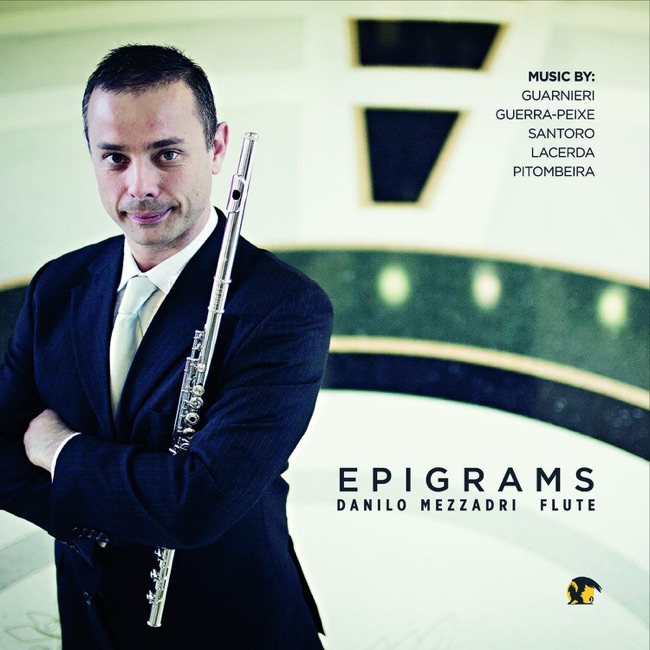 October 10, 2017
 -
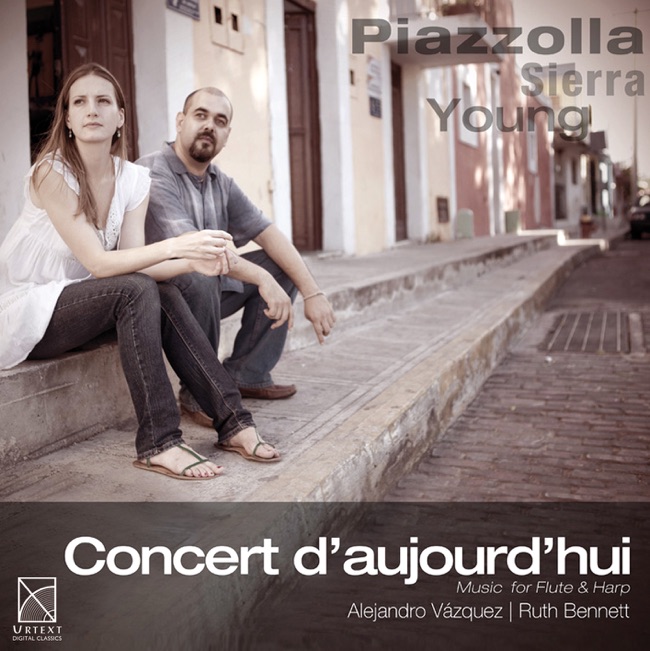 March 27, 2012
 -
 February 9, 2011
 -
 August 7, 2007
 -
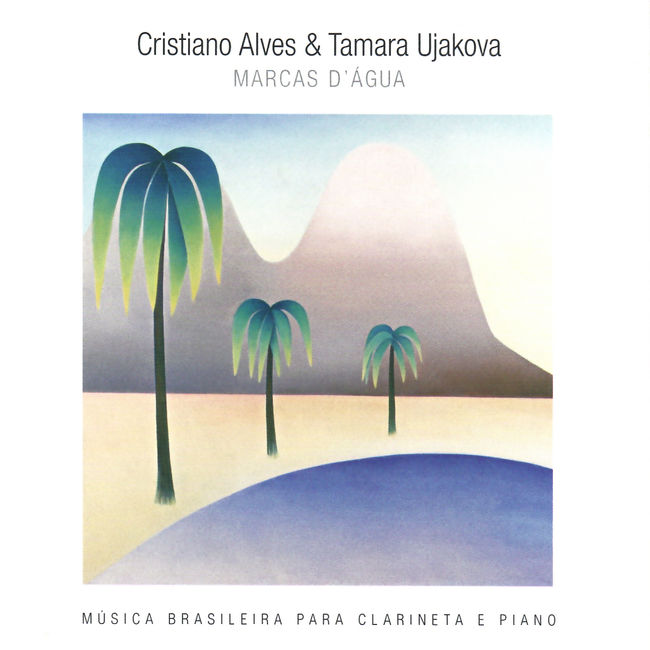 September 26, 2005
Keyboard
-
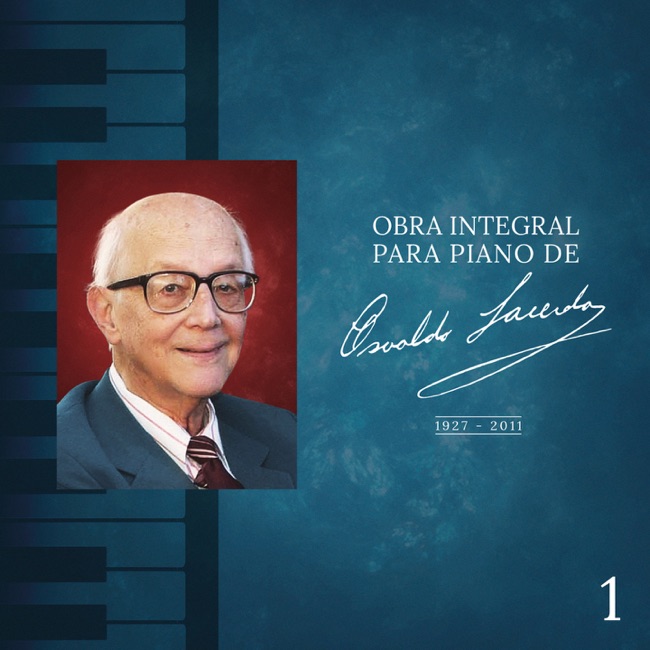 September 18, 2017
 -
-
 April, 2000
Choral
-
 April 1, 2013
Artist Info
Role:ComposerBirth:1927Period:ModernGenre:ChamberOsvaldo Lacerda was a Brazilian composer, conductor, and music educator who made significant contributions to the development of classical music in Brazil. He was born on March 23, 1927, in São Paulo, Brazil, and grew up in a family of musicians. His father, João Lacerda, was a violinist, and his mother, Maria Lacerda, was a pianist. Osvaldo Lacerda showed an early interest in music and began studying the piano at the age of six. Lacerda's musical education continued at the São Paulo Conservatory of Music, where he studied composition with Camargo Guarnieri and conducting with Souza Lima. He also studied with the renowned Brazilian composer Heitor Villa-Lobos, who had a significant influence on his musical style. Lacerda's early compositions were heavily influenced by Villa-Lobos's use of Brazilian folk music and rhythms. In 1950, Lacerda received a scholarship to study composition at the Accademia Nazionale di Santa Cecilia in Rome, Italy. While in Rome, he studied with Goffredo Petrassi, a leading Italian composer of the time. Lacerda's time in Italy had a significant impact on his musical style, and he began incorporating elements of Italian music into his compositions. Upon his return to Brazil in 1952, Lacerda began working as a music educator. He taught at several institutions, including the São Paulo Conservatory of Music, the University of São Paulo, and the Federal University of Rio de Janeiro. Lacerda was a passionate advocate for music education and believed that every child should have access to music education. He wrote several books on music education, including "Música e Educação" (Music and Education) and "O Ensino da Música no Brasil" (Music Education in Brazil). Lacerda's compositions are characterized by their use of Brazilian folk music and rhythms, as well as their incorporation of elements of Italian music. His works include orchestral pieces, chamber music, choral music, and solo pieces for various instruments. Some of his most notable works include the "Sinfonia dos Orixás" (Symphony of the Orixás), "Concerto for Piano and Orchestra," and "Quarteto de Cordas" (String Quartet). The "Sinfonia dos Orixás" is a symphony that incorporates elements of Afro-Brazilian music and rhythms. The piece is divided into four movements, each of which is named after an orixá, a deity from the Afro-Brazilian religion of Candomblé. The piece was premiered in 1962 by the São Paulo Symphony Orchestra and has since become one of Lacerda's most famous works. The "Concerto for Piano and Orchestra" is a virtuosic piece that showcases Lacerda's skill as a composer and pianist. The piece was premiered in 1956 by the São Paulo Symphony Orchestra, with Lacerda as the soloist. The concerto is characterized by its use of Brazilian rhythms and melodies, as well as its incorporation of elements of Italian music. The "Quarteto de Cordas" is a string quartet that was composed in 1953. The piece is characterized by its use of Brazilian folk music and rhythms, as well as its incorporation of elements of Italian music. The quartet is divided into four movements, each of which showcases the unique qualities of the string quartet. Lacerda's contributions to the development of classical music in Brazil were significant. He was a passionate advocate for music education and believed that every child should have access to music education.More....
Recent Artist Music

3

3:2
4
2:44



Copyright Ⓒ 2013 Davinci Finger. All rights reseved
Service Terms & Policy