


Olive Dungan
Released Album
Vocal
-
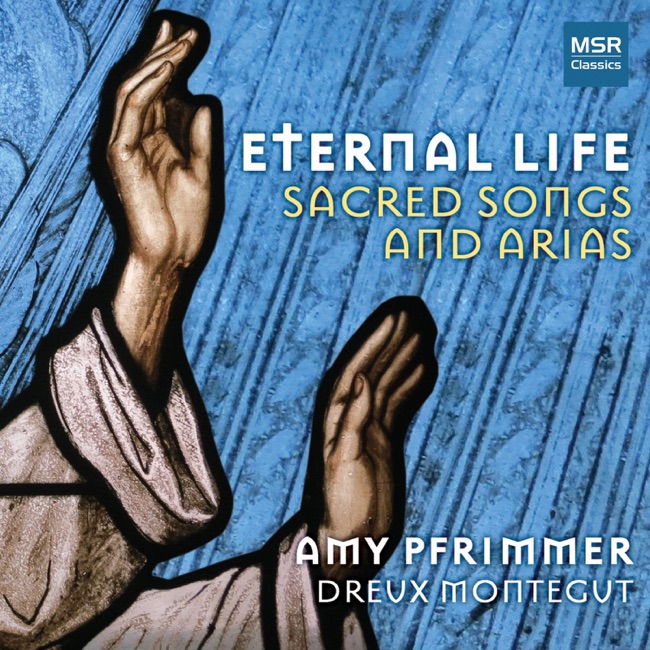 May 9, 2017
 -
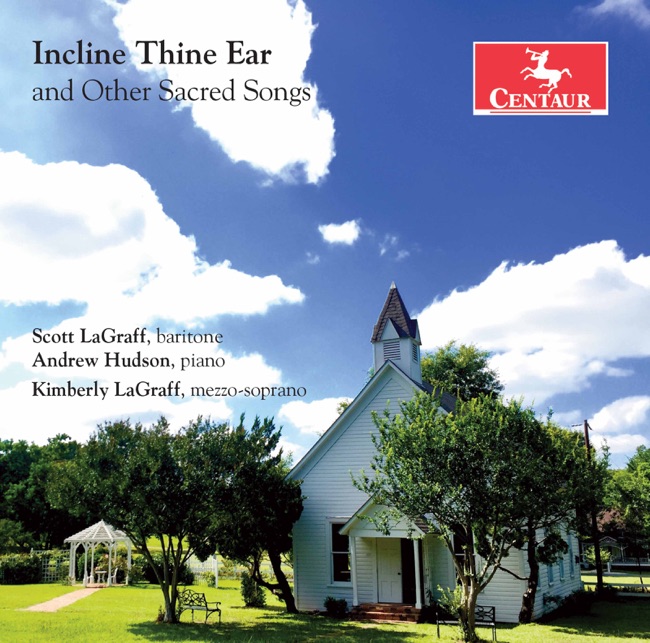 April 7, 2017
 -
 July 30, 2013
Artist Info
Role:ComposerBirth:1904Death:1997Olive Dungan was a classical music composer who was born on May 12, 1904, in the United States. She was the daughter of a music teacher and grew up in a musical family. Her mother was a pianist, and her father was a violinist. Olive started playing the piano at a young age and showed a natural talent for music. As a child, Olive was homeschooled by her mother, who taught her music theory and composition. She also studied piano and violin with her parents. Olive's parents recognized her talent and encouraged her to pursue a career in music. In 1922, Olive enrolled at the Cincinnati Conservatory of Music, where she studied composition with Ernst Toch and piano with Rudolf Serkin. She graduated in 1926 with a degree in composition. After graduation, Olive moved to New York City to pursue a career in music. In New York, Olive worked as a freelance composer and pianist. She composed music for radio programs, films, and theater productions. She also performed as a pianist in various venues around the city. In 1930, Olive married a fellow composer, Robert McBride. The couple had two children, a son, and a daughter. Olive continued to compose and perform while raising her children. Olive's music was influenced by the modernist movement in music. She was interested in experimenting with new sounds and techniques. Her compositions often featured dissonant harmonies and complex rhythms. One of Olive's most famous works is her Piano Sonata, which she composed in 1932. The piece is a challenging work for the pianist, featuring intricate rhythms and harmonies. The sonata was well-received by critics and established Olive as a significant composer. In 1935, Olive and her family moved to Europe, where they lived for several years. While in Europe, Olive continued to compose and perform. She also studied with the composer Paul Hindemith. Olive's music continued to evolve during this time. She became interested in incorporating folk music into her compositions. Her works began to feature elements of American folk music, as well as music from other cultures. One of Olive's most significant works from this period is her Symphony No. 1, which she composed in 1938. The symphony is a complex work that features elements of American folk music, as well as influences from Hindemith and other modernist composers. In 1940, Olive and her family returned to the United States. Olive continued to compose and perform, but she also became involved in music education. She taught composition at the Juilliard School and the Manhattan School of Music. Olive's later works continued to explore new sounds and techniques. She became interested in electronic music and began experimenting with tape recorders and other electronic equipment. Her later works often featured electronic sounds and effects. One of Olive's most significant works from this period is her Electronic Symphony, which she composed in 1958. The piece is a groundbreaking work that features electronic sounds and effects, as well as traditional orchestral instruments. Olive continued to compose and perform until her death in 1990. Her music has been performed by orchestras and ensembles around the world. She is remembered as a pioneering composer who pushed the boundaries of classical music.More....
Recent Artist Music

Copyright Ⓒ 2013 Davinci Finger. All rights reseved
Service Terms & Policy