


Leonard Rosenman
Released Album
Film
-

-
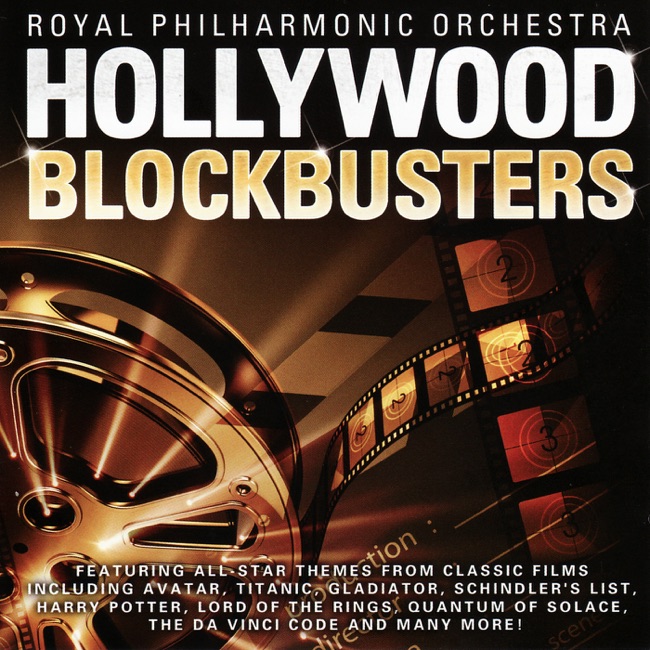 June 9, 2015
 -
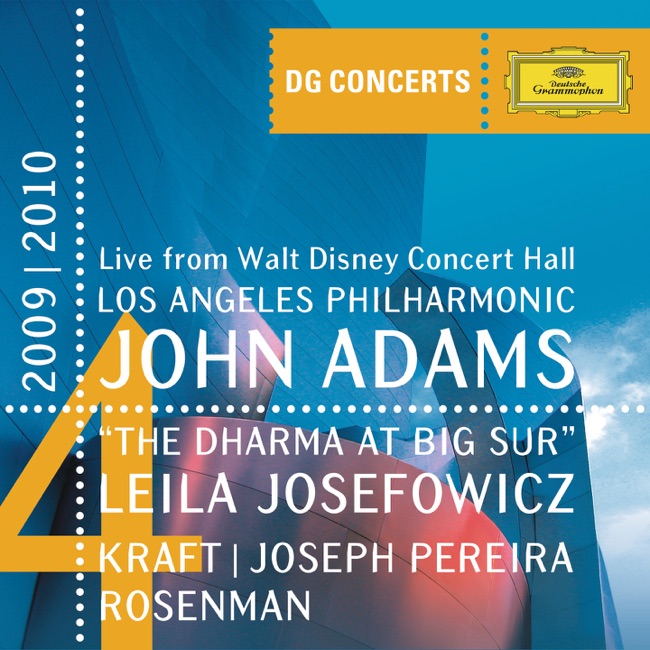
-
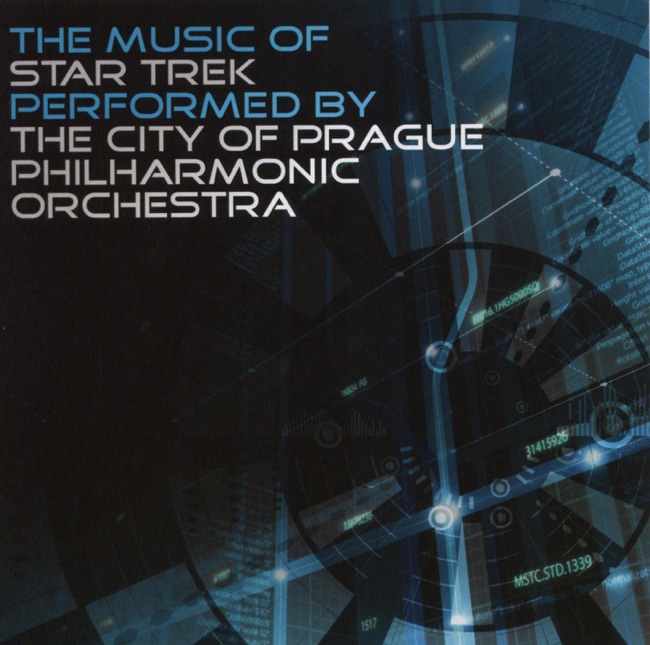 August 11, 2009
 -
 November 11, 2003
 -
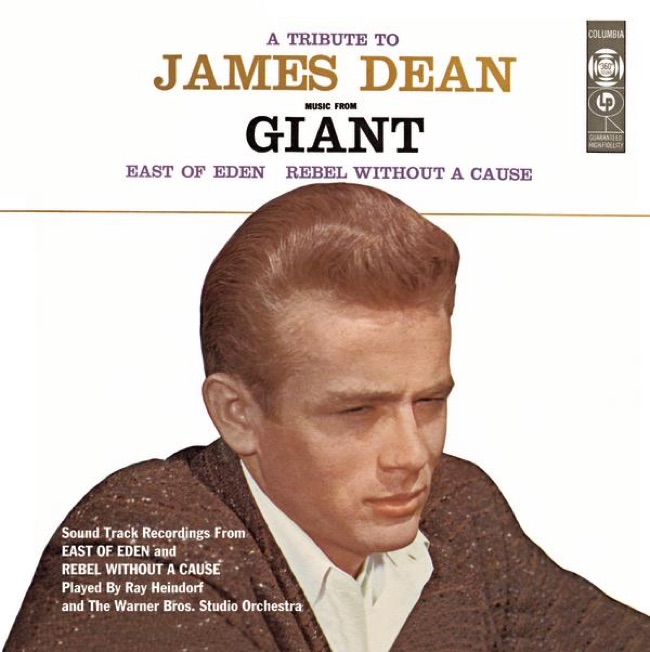 June 17, 2003
Artist Info
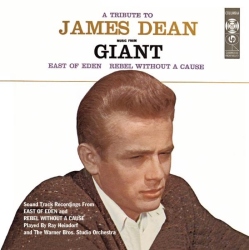
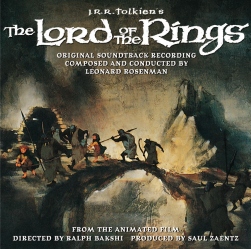
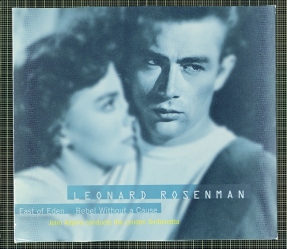
Role:Composer Conductor PerformerCountry: United States of AmericaBirth:September 7, 1924 in Brooklyn, NYDeath:March 4, 2008 in Woodland Hills, CAGenre:FilmLeonard Rosenman was an American composer and conductor who was born on September 7, 1924, in Brooklyn, New York. He was the son of a dentist and a schoolteacher, and he grew up in a family that valued education and the arts. Rosenman showed an early interest in music, and he began studying piano at the age of six. He later studied composition with the renowned composer Arnold Schoenberg, who had a profound influence on his musical style. Rosenman attended the University of California, Los Angeles, where he earned a degree in music. While he was a student, he became involved in the film industry, working as a composer and arranger for several Hollywood studios. He also worked as a conductor and orchestrator for the Los Angeles Philharmonic Orchestra. Rosenman's early works were heavily influenced by Schoenberg's twelve-tone technique, which he used to create complex and dissonant musical textures. His first major composition was the String Quartet No. 1, which was premiered in 1952. The piece was well-received by critics, and it established Rosenman as a promising young composer. In the 1950s, Rosenman began to focus more on film music, and he quickly became one of the most sought-after composers in Hollywood. He worked on a wide variety of films, including Rebel Without a Cause, East of Eden, and The Cobweb. His music for these films was characterized by its emotional intensity and its use of unconventional musical techniques, such as dissonant harmonies and atonal melodies. One of Rosenman's most famous film scores was his music for the 1962 film adaptation of J.R.R. Tolkien's The Lord of the Rings. Rosenman's score was notable for its use of unusual instruments, such as the serpent and the ophicleide, and for its incorporation of Middle Eastern and Asian musical elements. The score was praised for its originality and its ability to capture the epic scope of Tolkien's story. In addition to his work in film, Rosenman also composed a number of concert works, including several symphonies and chamber music pieces. His Symphony No. 1, which was premiered in 1957, was particularly well-received, and it established Rosenman as a major figure in the classical music world. Rosenman continued to work in film throughout the 1970s and 1980s, and he received several Academy Award nominations for his work. He won two Oscars for his scores for the films Barry Lyndon and Bound for Glory. His music for Bound for Glory, which was a biopic of the folk singer Woody Guthrie, was particularly notable for its use of traditional American folk music. In the 1990s, Rosenman began to focus more on teaching and conducting. He taught at several universities, including the University of California, Los Angeles, and the University of Southern California. He also conducted several orchestras, including the London Symphony Orchestra and the New York Philharmonic. Leonard Rosenman died on March 4, 2008, at the age of 83. He was remembered as a pioneering composer who pushed the boundaries of traditional musical forms and who brought a unique voice to both the classical and film music worlds. His legacy continues to inspire musicians and composers today.More....
Recent Artist Music

Copyright Ⓒ 2013 Davinci Finger. All rights reseved
Service Terms & Policy