


Herman Palm
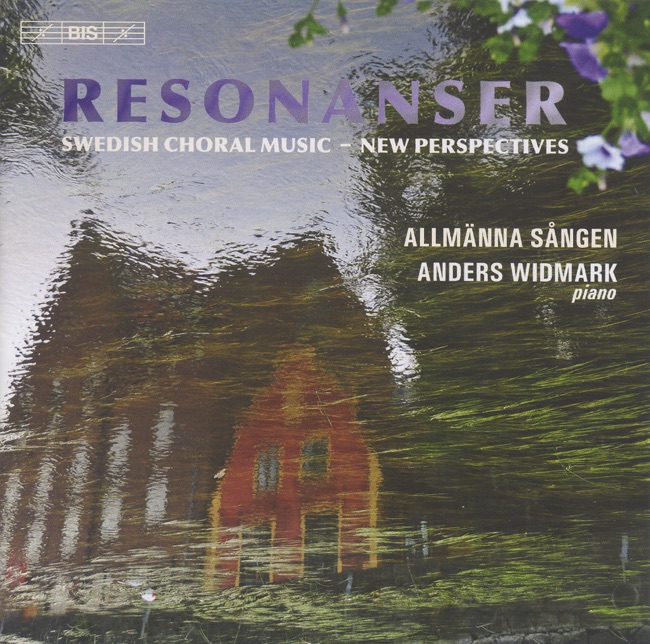
Artist Info
Role:ComposerBirth:1863Death:1942Herman Palm was a Swedish composer and pianist who lived from 1854 to 1928. He was born in the town of Växjö in southern Sweden, and showed an early aptitude for music. His father was a music teacher, and Herman began studying piano with him at a young age. He also showed an interest in composition, and began writing his own music as a teenager. In 1872, at the age of 18, Palm moved to Stockholm to study at the Royal Swedish Academy of Music. He studied piano with Richard Andersson and composition with Ludvig Norman, two of the most prominent musicians in Sweden at the time. Palm was a talented student, and he quickly made a name for himself in Stockholm's musical circles. After graduating from the Academy in 1876, Palm began a career as a pianist and composer. He performed extensively throughout Sweden, and his compositions were well-received by audiences and critics alike. In 1880, he was appointed as a piano teacher at the Academy, and he remained in that position for the rest of his life. Palm's music is characterized by its lyricism and its use of Swedish folk melodies. He was deeply influenced by the Romantic composers of his time, particularly Chopin and Schumann, and his music often features lush harmonies and virtuosic piano writing. He also drew inspiration from the natural beauty of Sweden, and many of his works have titles that reflect this, such as "Forest Idyll" and "Summer Night." One of Palm's most famous works is his Piano Concerto in A minor, which he composed in 1887. The concerto is a virtuosic showcase for the soloist, with sweeping melodies and intricate passagework. It also features a prominent role for the orchestra, particularly the woodwinds, which provide a delicate accompaniment to the piano. The concerto was premiered in Stockholm in 1888, with Palm himself as the soloist, and it was an immediate success. It has since become one of the most beloved works in the Swedish piano repertoire. Another notable work by Palm is his Symphony No. 1 in C minor, which he composed in 1892. The symphony is a grand, four-movement work that showcases Palm's skill as an orchestrator. It features sweeping melodies, lush harmonies, and intricate counterpoint, and it is considered one of the finest examples of Swedish symphonic music from the late 19th century. In addition to his larger works, Palm also composed numerous smaller pieces for piano, including character pieces, preludes, and nocturnes. Many of these works are inspired by Swedish folk music, and they showcase Palm's skill as a melodist and his ability to create evocative atmospheres through his music. Throughout his career, Palm remained a prominent figure in Swedish musical life. He was a member of the Royal Swedish Academy of Music, and he served as the Academy's president from 1910 to 1920. He was also a respected teacher, and many of his students went on to become prominent musicians in their own right. Herman Palm died in Stockholm in 1928, at the age of 74. He left behind a legacy of beautiful music that continues to be performed and enjoyed by audiences around the world. His music is a testament to the rich tradition of Swedish classical music, and it remains an important part of the country's cultural heritage.More....
Recent Artist Music
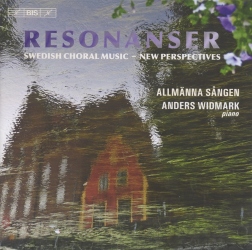
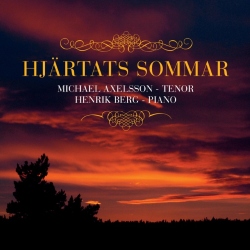
Copyright Ⓒ 2013 Davinci Finger. All rights reseved
Service Terms & Policy