


Leighton Lucas
Released Album
Film
-
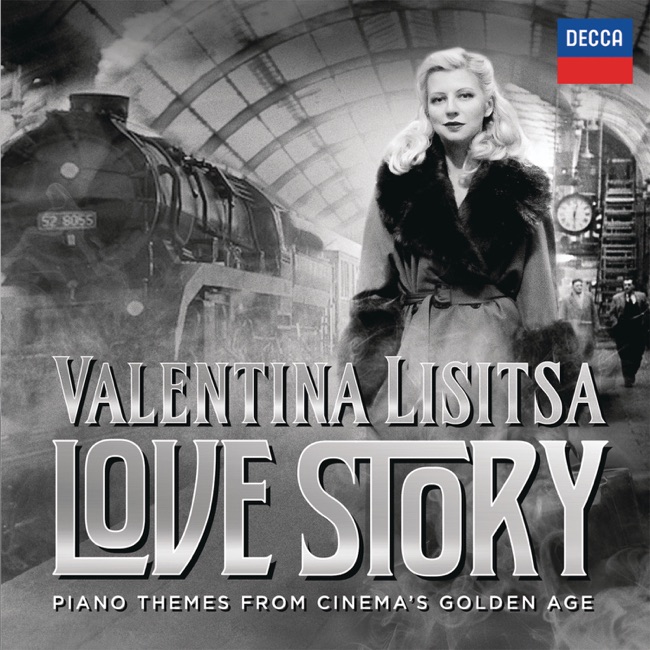 September 9, 2016
Orchestral
-
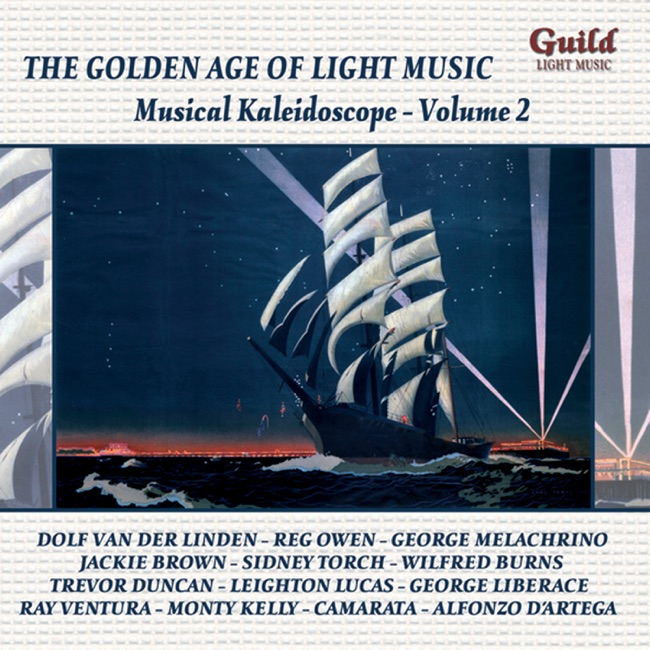
-
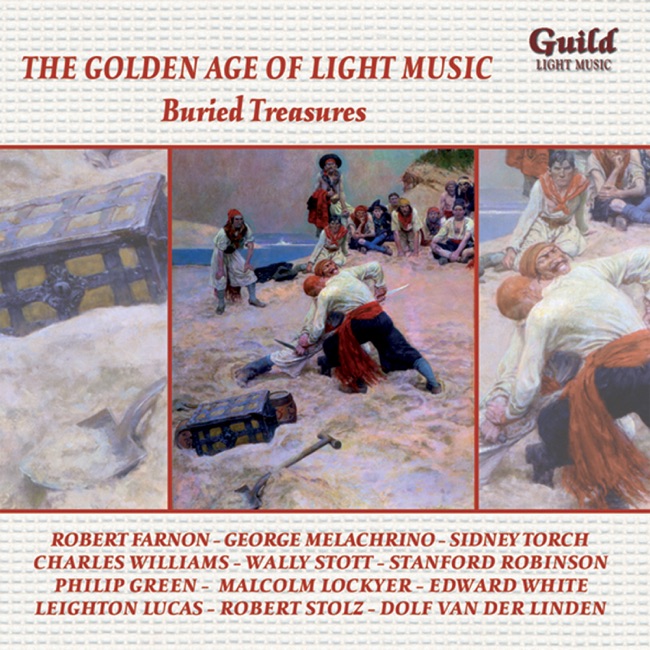 February 6, 2006
Artist Info
Role:Composer ConductorBirth:January 5, 1903Death:November 1, 1982Genre:FilmOrchestralLeighton Lucas was a British composer and conductor who was born on September 3, 1903, in London, England. He was the son of a music teacher and grew up in a musical family. His father, Samuel Lucas, was a well-known conductor and composer, and his mother, Florence, was a pianist and singer. Leighton showed an early interest in music and began playing the piano at a young age. Leighton Lucas received his formal musical education at the Royal Academy of Music in London, where he studied composition with Frederick Corder and conducting with Malcolm Sargent. He also studied with the renowned composer and conductor Gustav Holst, who had a significant influence on his musical style. After completing his studies, Lucas began his career as a conductor, working with various orchestras in England and Europe. He also worked as a composer, writing music for films, television, and the concert hall. His early works were influenced by the English pastoral tradition, but he later developed a more modernist style. One of Lucas's most significant works is his Symphony No. 1, which he composed in 1935. The symphony is a large-scale work in three movements and reflects Lucas's interest in modernist techniques such as polytonality and irregular rhythms. The work was well-received by critics and established Lucas as a composer of note. Lucas's career as a film composer began in the 1930s, and he went on to write music for over 100 films. His film scores were notable for their use of leitmotifs and their ability to enhance the emotional impact of the films. Some of his most famous film scores include those for the films "The Four Feathers" (1939), "The Thief of Bagdad" (1940), and "The Jungle Book" (1942). In addition to his work as a composer and conductor, Lucas was also a respected music educator. He taught at the Royal Academy of Music and was a visiting professor at several universities in the United States. He was also a prolific writer on music, publishing several books and articles on the subject. Lucas's later works continued to explore modernist techniques, but he also incorporated elements of jazz and popular music into his compositions. His Symphony No. 2, composed in 1951, is a prime example of this style. The work features a prominent saxophone solo and incorporates elements of swing and blues music. Lucas's final major work was his opera "The Duenna," which he composed in 1962. The opera is based on a play by Richard Brinsley Sheridan and features a libretto by Lucas himself. The work was well-received by critics and demonstrated Lucas's ability to write for the operatic stage. Leighton Lucas died on May 2, 1982, in London, England. He left behind a significant body of work that includes orchestral music, film scores, and operas. His music continues to be performed and recorded today, and he is remembered as one of the most important British composers of the 20th century.More....
Copyright Ⓒ 2013 Davinci Finger. All rights reseved
Service Terms & Policy