


Jose Vicente Egea
Released Album
Symphony
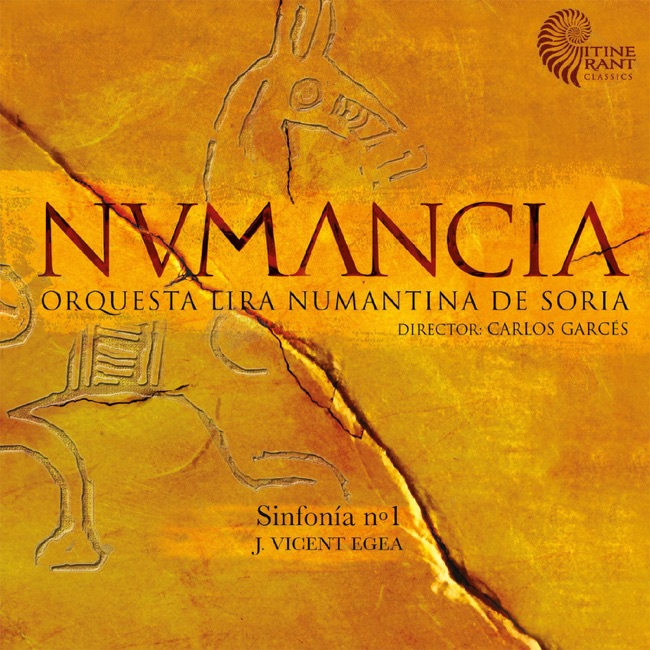
Chamber
-
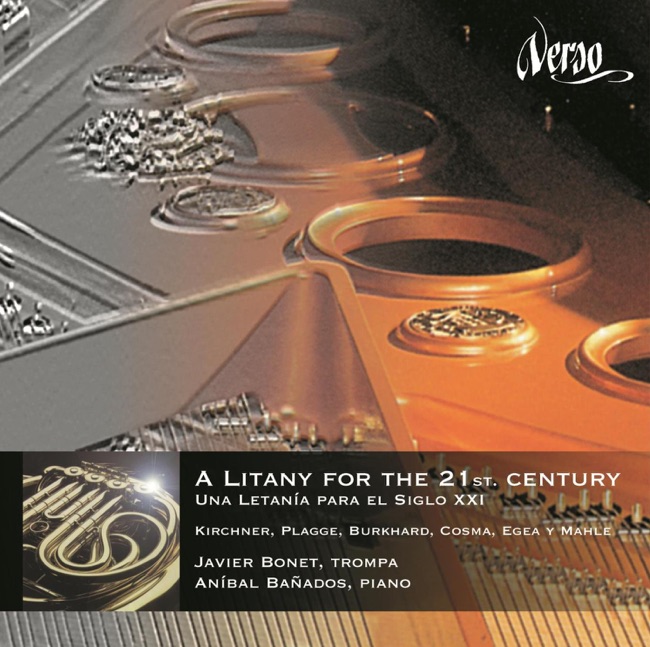 October 30, 2001
Artist Info
Role:ComposerBirth:1961 in Cocentaina, SpainPeriod:ClassicalContemporaryGenre:ChamberChoralJose Vicente Egea was a Spanish composer who was born on January 22, 1957, in the city of Valencia. He was the son of a music teacher and grew up in a family that was passionate about music. From a young age, Egea showed a keen interest in music and began playing the piano at the age of six. He was a gifted musician and quickly developed his skills, which led him to pursue a career in music. Egea studied music at the Conservatorio Superior de Música de Valencia, where he received a degree in piano performance. He then went on to study composition at the Conservatorio Superior de Música de Madrid, where he was mentored by renowned composers such as Luis de Pablo and Francisco Guerrero. During his time in Madrid, Egea also studied electronic music and became interested in the use of technology in music composition. Egea's early works were heavily influenced by the avant-garde movement, which was popular in the 1970s and 1980s. His compositions were characterized by their experimental nature and their use of unconventional techniques and sounds. Egea was particularly interested in the use of electronic music and often incorporated electronic elements into his compositions. One of Egea's most notable works from this period is his piece "Música para un espacio vacío" (Music for an Empty Space), which was composed in 1982. The piece is a minimalist composition that features a series of repetitive patterns and sounds. It was performed at the Festival Internacional de Música Contemporánea de Alicante and received critical acclaim. In the 1990s, Egea's style began to evolve, and he began to incorporate more traditional elements into his compositions. He was particularly interested in the music of the Baroque and Classical periods and began to incorporate elements of these styles into his works. This period of Egea's career was marked by a return to tonality and a focus on melody and harmony. One of Egea's most notable works from this period is his piece "Concierto para piano y orquesta" (Concerto for Piano and Orchestra), which was composed in 1995. The piece is a traditional concerto that features a solo piano accompanied by an orchestra. It is characterized by its use of classical forms and its emphasis on melody and harmony. Egea continued to compose throughout the 2000s and 2010s, and his works continued to evolve. He began to incorporate more contemporary elements into his compositions, such as jazz and world music influences. He also continued to experiment with electronic music and technology, incorporating these elements into his works in new and innovative ways. One of Egea's most notable works from this period is his piece "Suite Mediterránea" (Mediterranean Suite), which was composed in 2008. The piece is a suite of five movements that are inspired by the music and culture of the Mediterranean region. It features a variety of instruments, including the guitar, oud, and percussion, and incorporates elements of flamenco, Arabic music, and jazz. Egea's works have been performed by orchestras and ensembles around the world, and he has received numerous awards and accolades for his contributions to music. He was awarded the Premio Nacional de Música in 2009, which is the highest honor for music in Spain. He was also awarded the Medalla de Oro al Mérito en las Bellas Artes in 2017, which is one of the highest honors for artists in Spain. In addition to his work as a composer, Egea was also a respected music educator.More....
Recent Artist Music
Copyright Ⓒ 2013 Davinci Finger. All rights reseved
Service Terms & Policy