


Armenian Traditional
Released Album
Vocal
-
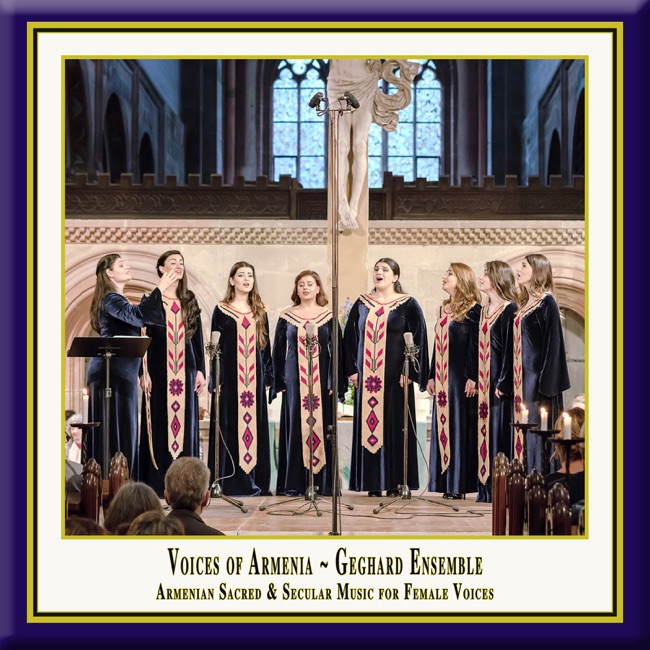 November 9, 2018
 -
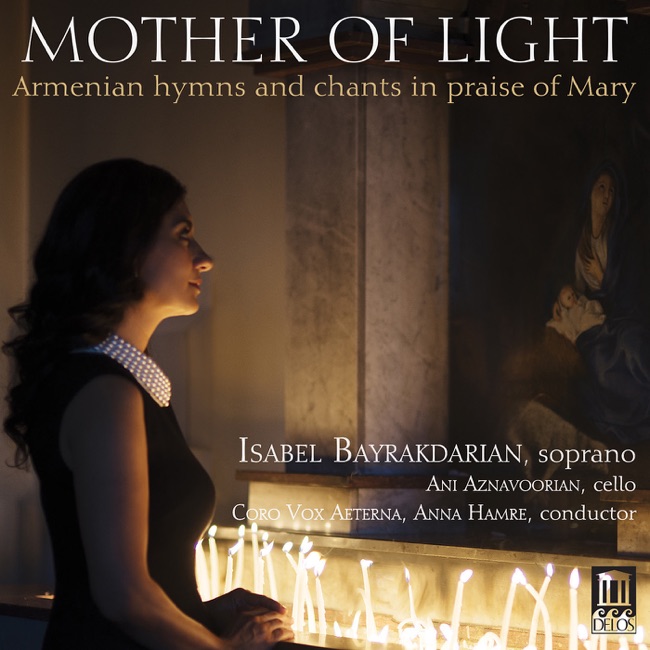 October 14, 2016
 -
 April 21, 2015
Chamber
-
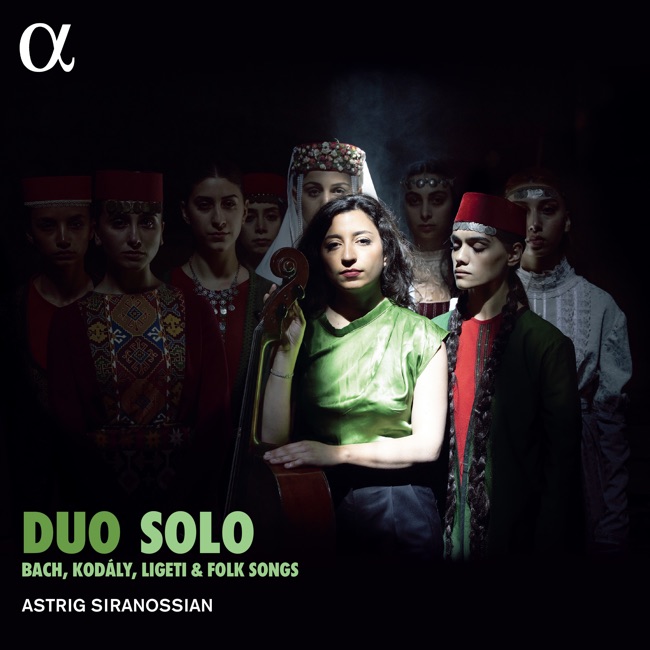 October 14, 2022
 -
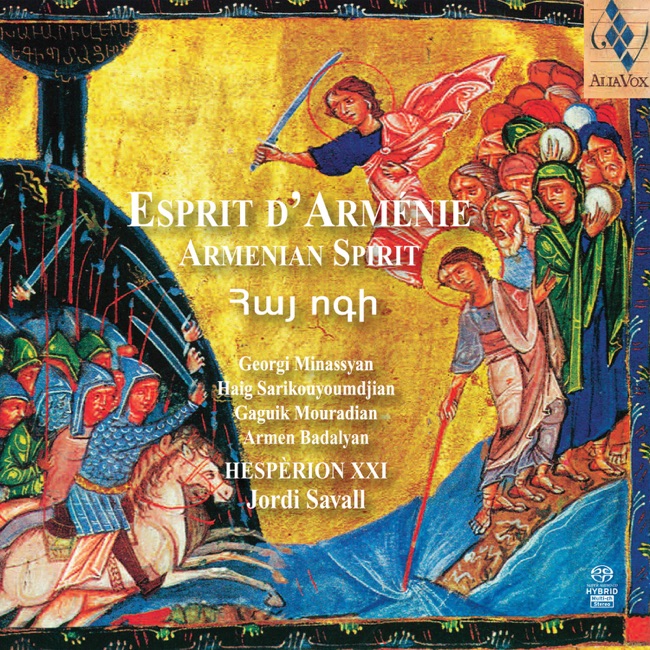 August 27, 2012
Miscellaneous
-
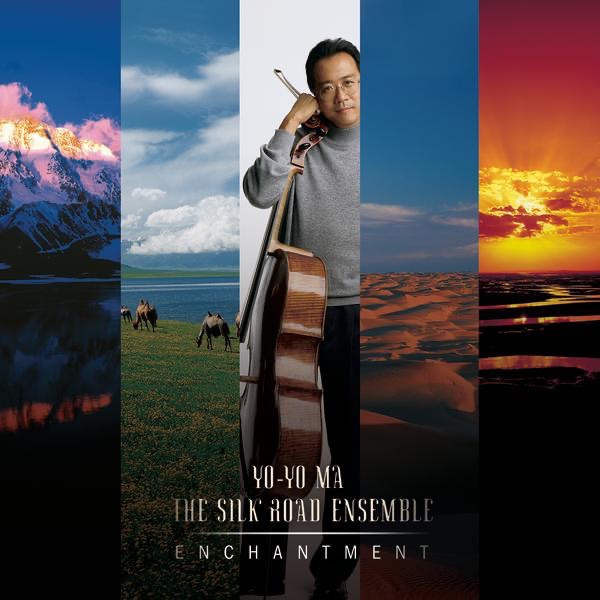 December 7, 2004
Artist Info
Role:ComposerGenre:VocalArmenian Traditional is not a single composer, but rather a collective term used to describe the rich and diverse musical traditions of the Armenian people. These traditions have been passed down through generations, and have been shaped by the country's history, culture, and geography. Armenian music has its roots in ancient times, with evidence of musical instruments and performances dating back to the 3rd millennium BCE. Over the centuries, Armenian music has been influenced by various cultures and civilizations, including Greek, Persian, and Ottoman. However, it has also maintained its unique identity, with distinct scales, rhythms, and melodies that reflect the country's landscape and history. One of the most important figures in Armenian music was Komitas Vardapet, a composer, ethnomusicologist, and priest who lived in the late 19th and early 20th centuries. Komitas was born in 1869 in the village of Kütahya, in what is now Turkey. He was trained as a priest and musician, and studied Armenian folk music and liturgical chants. In 1896, he moved to Constantinople (now Istanbul) to continue his studies, and later traveled to Europe to study Western classical music. Komitas is best known for his work in collecting and transcribing Armenian folk songs, which he did during his travels throughout Armenia and the surrounding regions. He believed that these songs were an important part of Armenian culture and identity, and he worked tirelessly to preserve them for future generations. He also composed his own music, which was influenced by both Armenian folk music and Western classical music. Komitas's life was marked by tragedy, however. During World War I, he was arrested and deported along with thousands of other Armenians by the Ottoman government. He witnessed and experienced horrific atrocities, including the deaths of many of his friends and colleagues. He suffered a mental breakdown as a result of his experiences, and spent the rest of his life in a psychiatric hospital in Paris, where he died in 1935. Despite his tragic end, Komitas's legacy lives on in Armenian music. His transcriptions of folk songs have been widely studied and performed, and his compositions continue to be admired for their beauty and originality. He is considered a national hero in Armenia, and his image appears on the country's currency. Another important figure in Armenian music was Aram Khachaturian, a composer who lived in the 20th century. Khachaturian was born in 1903 in Tiflis (now Tbilisi), Georgia, to Armenian parents. He studied music at the Gnessin State Musical College in Moscow, and later at the Moscow Conservatory. He was influenced by both Western classical music and Armenian folk music, and his compositions reflect this blend of styles. Khachaturian's most famous work is his ballet "Gayane," which was first performed in 1942. The ballet tells the story of a young Armenian woman named Gayane, who falls in love with a Soviet soldier during World War II. The music is characterized by its lively rhythms, colorful orchestration, and use of Armenian folk melodies. The ballet includes the famous "Sabre Dance," which has become one of the most recognizable pieces of classical music in the world. Khachaturian's other works include symphonies, concertos, and film scores. He was a prolific composer who wrote music in a variety of styles, but his Armenian heritage was always an important influence on his work.More....
Recent Artist Music


Copyright Ⓒ 2013 Davinci Finger. All rights reseved
Service Terms & Policy