


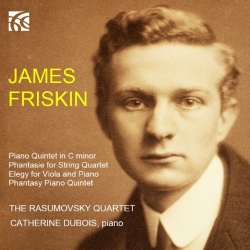
James Friskin
Released Album
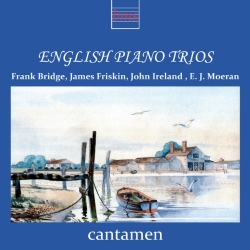
Chamber
-
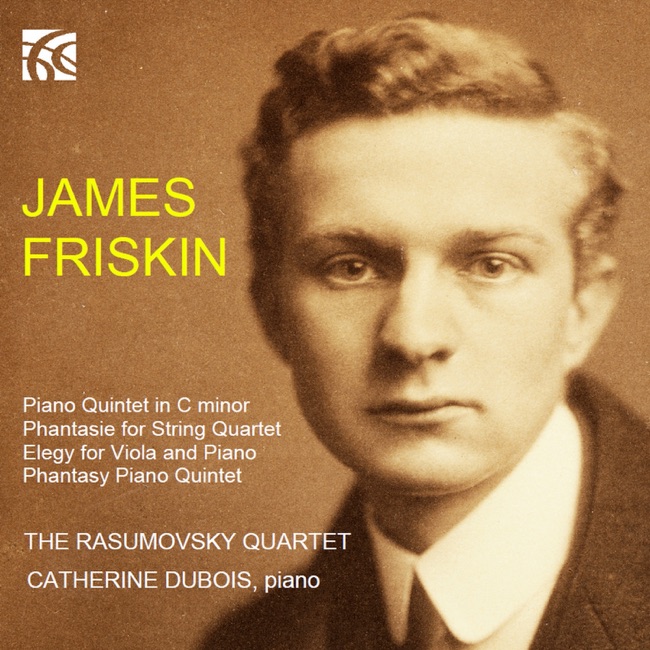 February 28, 2012
 -
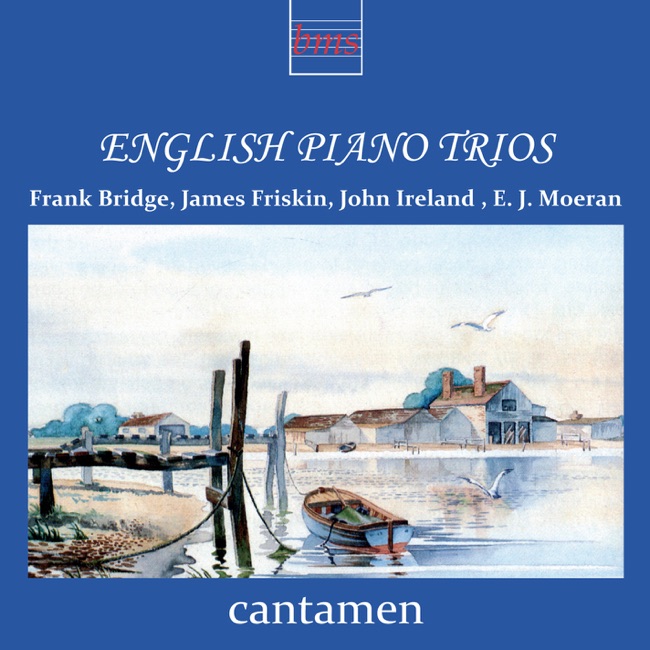 November, 2009
Keyboard
-
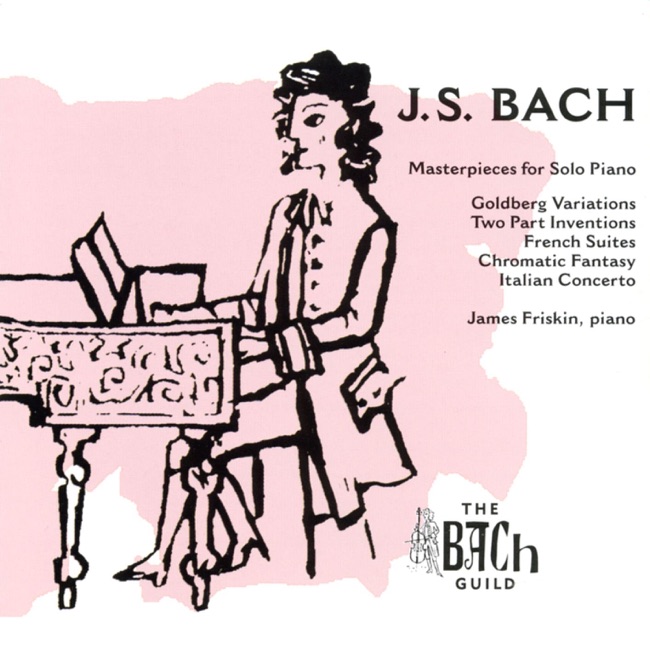 October 21, 2003
Artist Info
Role:ComposerBirth:March 3, 1886 in Glasgow, ScotlandDeath:March 16, 1967 in New York City, NYPeriod:BaroqueGenre:ConcertoKeyboardJames Friskin was a Scottish-American composer, pianist, and music educator who made significant contributions to the world of classical music. He was born on September 16, 1886, in Glasgow, Scotland, to a family of musicians. His father, James Friskin Sr., was a violinist, and his mother, Mary Friskin, was a pianist. James Friskin Jr. showed an early interest in music and began taking piano lessons from his mother at the age of four. Friskin's family moved to London when he was six years old, and he continued his music education under the tutelage of several renowned pianists, including Tobias Matthay and Harold Bauer. He made his debut as a pianist at the age of 12, performing Beethoven's Piano Concerto No. 1 with the London Symphony Orchestra. In 1904, Friskin moved to New York City to study at the Institute of Musical Art (now known as the Juilliard School). He studied piano with Rafael Joseffy and composition with Percy Goetschius. Friskin quickly established himself as a talented pianist and composer, and he began performing in concerts and recitals throughout the United States. Friskin's early compositions were heavily influenced by the Romantic style of music, particularly the works of Chopin and Liszt. However, he soon began to develop his own unique style, which blended elements of Romanticism with modernist techniques. His compositions were characterized by their lyrical melodies, rich harmonies, and complex rhythms. One of Friskin's most significant contributions to the world of classical music was his work as a music educator. In 1912, he joined the faculty of the Institute of Musical Art, where he taught piano and music theory. He later became the head of the piano department at the Juilliard School, a position he held until his retirement in 1956. Friskin was known for his rigorous teaching methods and his emphasis on musical expression and interpretation. Friskin's compositions include works for solo piano, chamber music, and orchestral music. One of his most famous works is his Piano Sonata No. 1, which was premiered by Friskin himself in 1917. The sonata is a complex and virtuosic work that showcases Friskin's technical prowess as a pianist and his skill as a composer. Friskin also composed several works for chamber ensembles, including his String Quartet No. 1, which was premiered in 1921. The quartet is a lyrical and expressive work that demonstrates Friskin's ability to create rich and complex textures with a small ensemble. In addition to his work as a composer and educator, Friskin was also a respected music critic. He wrote for several publications, including The New York Times and The Musical Quarterly. His writing was known for its insightful analysis and its ability to convey the emotional and expressive qualities of music. Friskin's contributions to the world of classical music were recognized with several awards and honors. In 1946, he was awarded the Ditson Conductor's Award for his contributions to American music. He was also elected to the American Academy of Arts and Letters in 1950. James Friskin died on September 30, 1967, in New York City. His legacy as a composer, pianist, and music educator continues to inspire musicians and music lovers around the world.More....
Recent Artist Music
Copyright Ⓒ 2013 Davinci Finger. All rights reseved
Service Terms & Policy