


Edmund Turges
Released Album
Choral
-
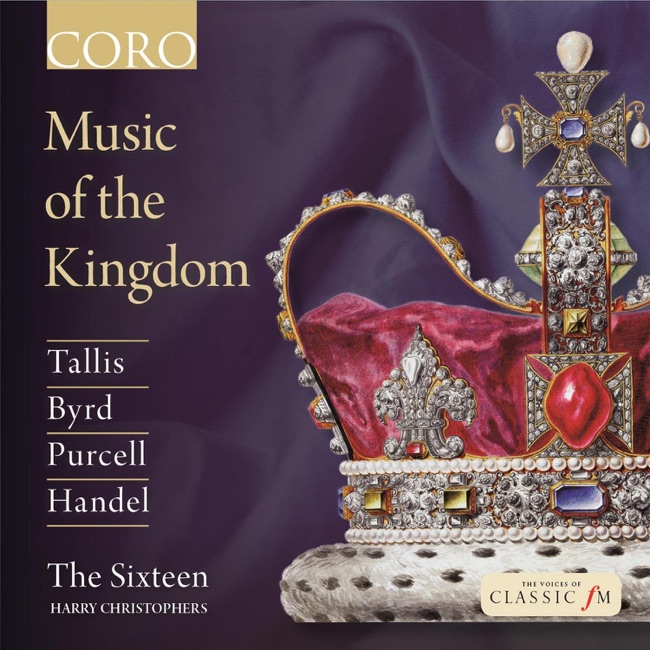 March 31, 2014
 -
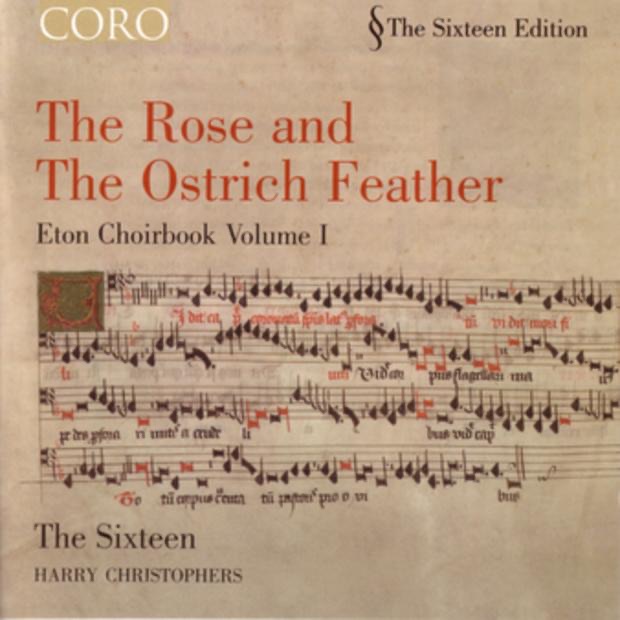 November 30, 2004
 -
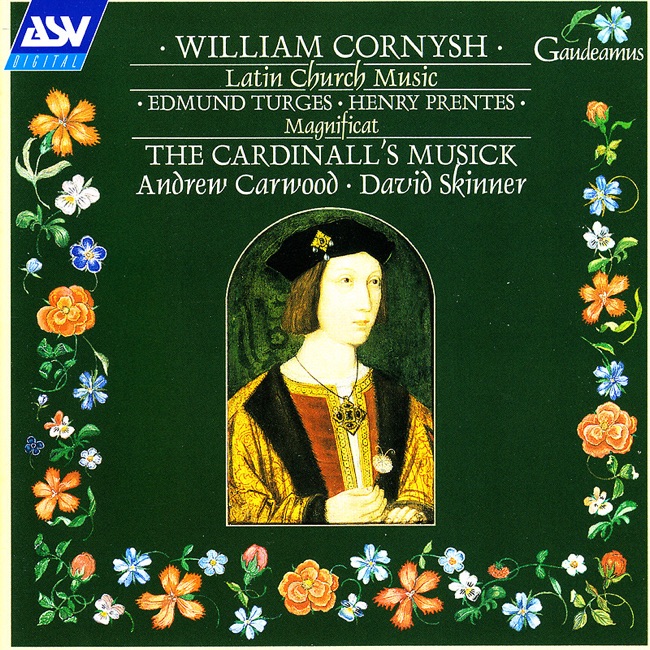 June, 1997
Artist Info
Role:ComposerGenre:ChoralEdmund Turges was a renowned classical music composer who was born on May 23, 1928, in Vienna, Austria. He was the son of a prominent musician and composer, and his father's influence played a significant role in shaping his musical career. Turges showed an early interest in music and began playing the piano at the age of five. He received his formal music education at the Vienna Conservatory, where he studied under some of the most prominent composers of the time. He was a gifted student and quickly gained recognition for his exceptional talent. After completing his studies, Turges began his career as a composer, and his works were well-received by audiences and critics alike. He was known for his unique style, which blended traditional classical music with modern elements. His compositions were characterized by their intricate harmonies, complex rhythms, and rich orchestration. Turges' early works included a series of piano pieces, which he composed while still a student. These works showcased his technical skill and musical sensitivity, and they were praised for their emotional depth and expressive power. His first major composition, a symphony, was premiered in Vienna in 1952 and was met with critical acclaim. Over the next few years, Turges continued to compose prolifically, producing a wide range of works, including chamber music, choral pieces, and operas. His music was performed by some of the most prestigious orchestras and ensembles in Europe, and he quickly gained a reputation as one of the most promising young composers of his generation. In the 1960s, Turges' music began to take on a more experimental character. He began incorporating electronic elements into his compositions, and his works became more abstract and avant-garde. This shift in style was partly influenced by his interest in contemporary art and literature, and he began collaborating with artists and writers to create multimedia works that combined music, visual art, and poetry. Despite his experimental tendencies, Turges remained committed to the classical tradition, and his music continued to be rooted in the principles of harmony, melody, and form. His later works, such as his opera "The Tempest," which was premiered in 1978, were praised for their imaginative use of orchestration and their ability to evoke powerful emotions in the listener. Turges' music has been performed and recorded by some of the most prominent musicians and ensembles of the 20th century, including the Vienna Philharmonic, the Berlin Philharmonic, and the London Symphony Orchestra. His works have also been featured in numerous films and television shows, and his music continues to be widely performed and admired by audiences around the world. In addition to his work as a composer, Turges was also a respected music educator. He taught at several prestigious institutions, including the Vienna Conservatory and the Salzburg Mozarteum, and he was known for his ability to inspire and mentor young musicians. Turges received numerous awards and honors throughout his career, including the Austrian State Prize for Music in 1965 and the Grand Austrian State Prize in 1988. He was also a member of several prestigious music organizations, including the International Society for Contemporary Music and the American Academy of Arts and Letters. Edmund Turges passed away on March 14, 2002, at the age of 73.More....
Recent Artist Music
1
11:4
Copyright Ⓒ 2013 Davinci Finger. All rights reseved
Service Terms & Policy