


Paul Siskind
Released Album
Chamber
-
 July 8, 2014
 -
 October 25, 2011
 -
 March 10, 2009
 -
 March 10, 2009
Orchestral
-
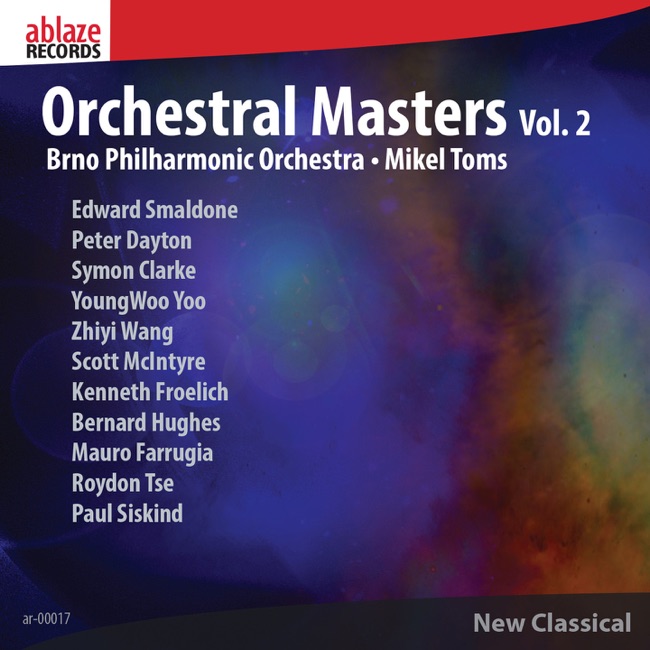 April 7, 2015
 -
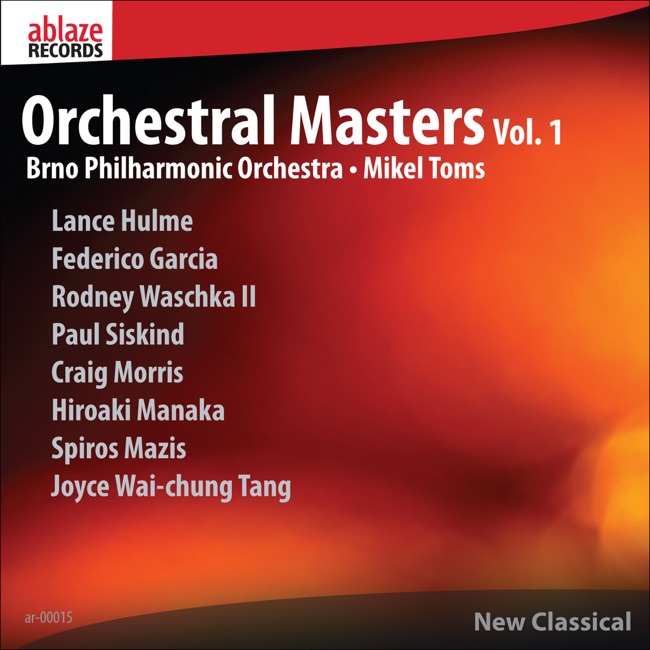 December 1, 2013
Choral
-
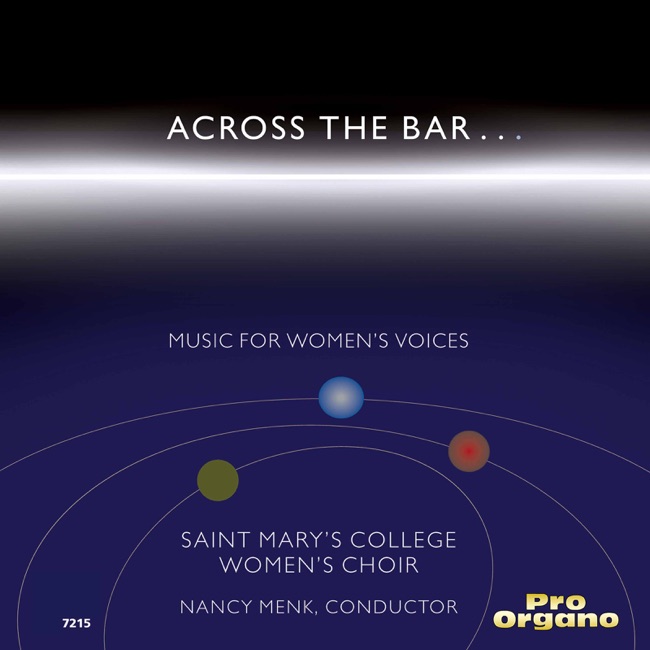 March 4, 2008
Artist Info
Role:ComposerBirth:1962Period:ContemporaryGenre:ChamberPaul Siskind was a renowned American composer of classical music, born on May 22, 1928, in New York City. He was the son of Russian immigrants who had settled in the United States. Siskind's parents were both musicians, and they encouraged their son to pursue music from a young age. He began playing the piano at the age of four and showed a natural talent for the instrument. Siskind's parents recognized his musical abilities and enrolled him in the Juilliard School of Music in New York City when he was just eight years old. He studied piano and composition at Juilliard and showed great promise as a composer. Siskind's early compositions were influenced by the works of Bach, Beethoven, and Mozart, but he also drew inspiration from contemporary composers such as Stravinsky and Bartok. After completing his studies at Juilliard, Siskind continued his education at the Manhattan School of Music, where he earned a master's degree in composition. He also studied with the renowned composer Aaron Copland, who had a significant influence on Siskind's work. Siskind's early compositions were primarily for solo piano, but he soon began to explore other forms of classical music. He composed several chamber works, including string quartets and sonatas for various instruments. Siskind's music was characterized by its lyrical melodies, complex harmonies, and intricate rhythms. In 1955, Siskind was awarded a Fulbright scholarship to study in Paris, where he worked with the composer Nadia Boulanger. Boulanger was a highly respected teacher of composition, and many of her students went on to become successful composers. Siskind's time in Paris was a formative experience, and he was exposed to a wide range of musical styles and traditions. After returning to the United States, Siskind continued to compose and teach. He taught at several universities, including the University of California, Berkeley, and the University of Michigan. Siskind's compositions were performed by many of the leading orchestras and ensembles of the day, including the New York Philharmonic, the Boston Symphony Orchestra, and the Juilliard String Quartet. One of Siskind's most famous works is his Symphony No. 1, which was premiered by the New York Philharmonic in 1962. The symphony is a complex and challenging work, characterized by its intricate rhythms and harmonies. It was well-received by critics and established Siskind as one of the leading composers of his generation. Siskind continued to compose throughout his life, and his later works were characterized by a more experimental and avant-garde style. He was particularly interested in electronic music and incorporated electronic sounds into many of his compositions. Siskind was also a respected teacher of composition, and many of his students went on to become successful composers in their own right. He was known for his rigorous approach to teaching and his commitment to helping his students develop their own unique voices as composers. In addition to his work as a composer and teacher, Siskind was also a passionate advocate for contemporary classical music. He served on the board of several organizations dedicated to promoting new music, including the American Music Center and the American Composers Alliance. Siskind died on December 31, 1991, at the age of 63. He left behind a rich legacy of music and a generation of composers who were inspired by his work.More....
Recent Artist Music
Copyright Ⓒ 2013 Davinci Finger. All rights reseved
Service Terms & Policy