


Romanos the Melodist
Released Album
Choral
-
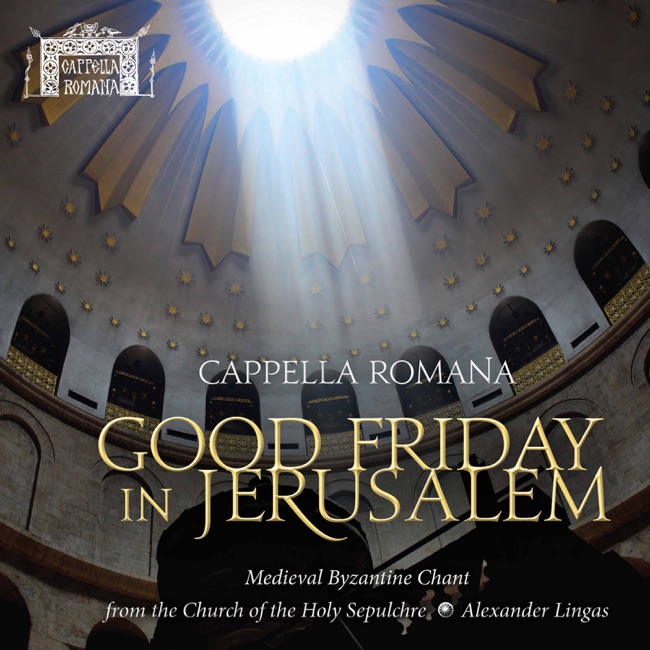 February 10, 2015
Vocal
-
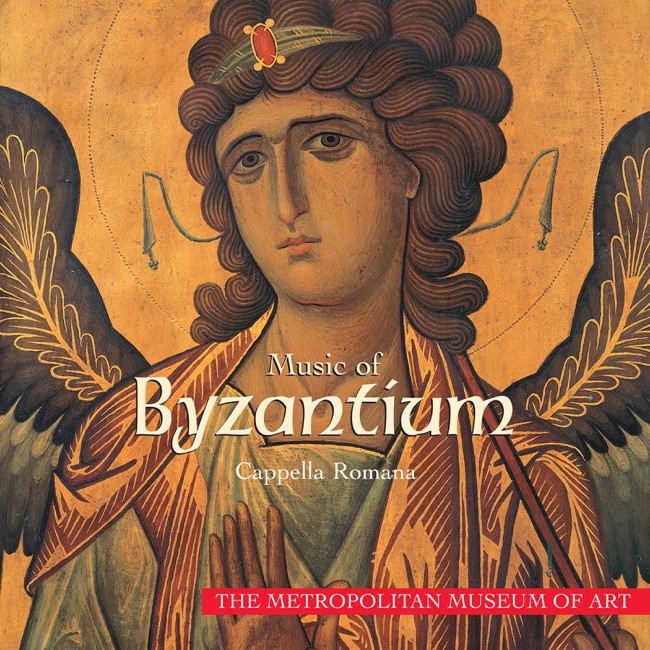 June 1, 2004
Artist Info
Role:ComposerDeath:after 5550's inConstantinople, TurkeyPeriod:MedievalRomanos the Melodist was a prominent composer of Byzantine hymns and liturgical music. He was born in the late 5th century in Emesa, Syria, which was then part of the Byzantine Empire. Romanos was born into a family of musicians and was trained in music from a young age. His father, who was also a musician, recognized his son's talent and encouraged him to pursue a career in music. Romanos began his career as a singer in the church of Saint Sophia in Constantinople. He quickly gained a reputation for his beautiful voice and his ability to compose hymns and liturgical music. He was soon appointed as a cantor in the church and began to compose music for the liturgy. Romanos' music was characterized by its beauty and simplicity. He used simple melodies and harmonies that were easy for the congregation to sing along with. His music was also known for its emotional depth and its ability to evoke a sense of awe and reverence in the listener. One of Romanos' most famous works is the Kontakion of the Nativity. This hymn tells the story of the birth of Jesus Christ and is still sung in Orthodox churches around the world today. The Kontakion of the Nativity is considered to be one of the greatest works of Byzantine hymnography and is a testament to Romanos' skill as a composer. Another famous work by Romanos is the Akathist Hymn. This hymn is a long poem that tells the story of the Virgin Mary and her role in the life of Jesus Christ. The Akathist Hymn is still sung in Orthodox churches during the Great Lenten season and is considered to be one of the most beautiful and moving hymns in the Orthodox liturgy. Romanos' music was also known for its use of imagery and symbolism. He often used metaphors and allegories to convey spiritual truths and to deepen the listener's understanding of the liturgy. His music was also influenced by the poetry and literature of his time, and he often incorporated elements of classical Greek and Roman literature into his hymns. Despite his success as a composer, Romanos was known for his humility and his devotion to the church. He lived a simple life and spent much of his time in prayer and contemplation. He was also known for his generosity and his willingness to help those in need. Romanos died in the early 6th century, but his music continued to be sung in Orthodox churches for centuries to come. His legacy as a composer and a musician is still celebrated today, and his hymns and liturgical music continue to inspire and uplift those who hear them.More....
Recent Artist Music
3

Prologue of the Kontákion for the Nativity of Christ (MSS Mt. Athos)
Prologue of the Kontákion for the Nativity of Christ
2:45
Copyright Ⓒ 2013 Davinci Finger. All rights reseved
Service Terms & Policy