


Fyodor Stepanovich Akimenko
Released Album
Chamber
-
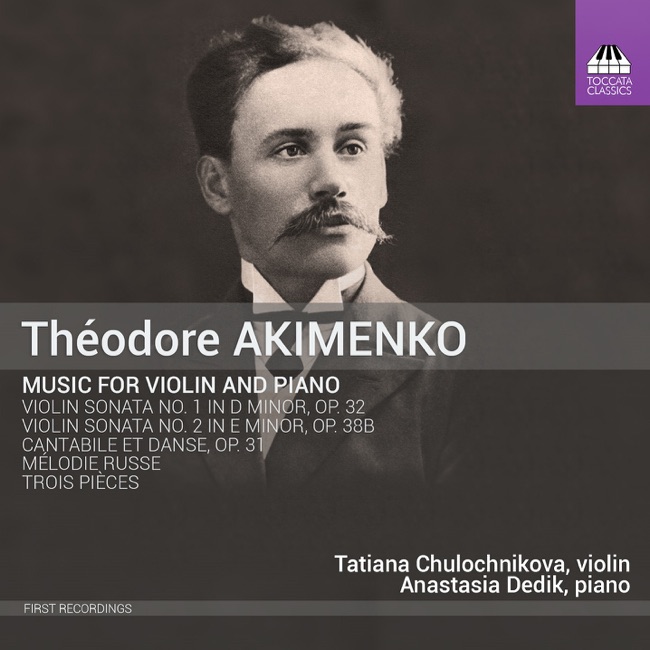 July 8, 2016
 -
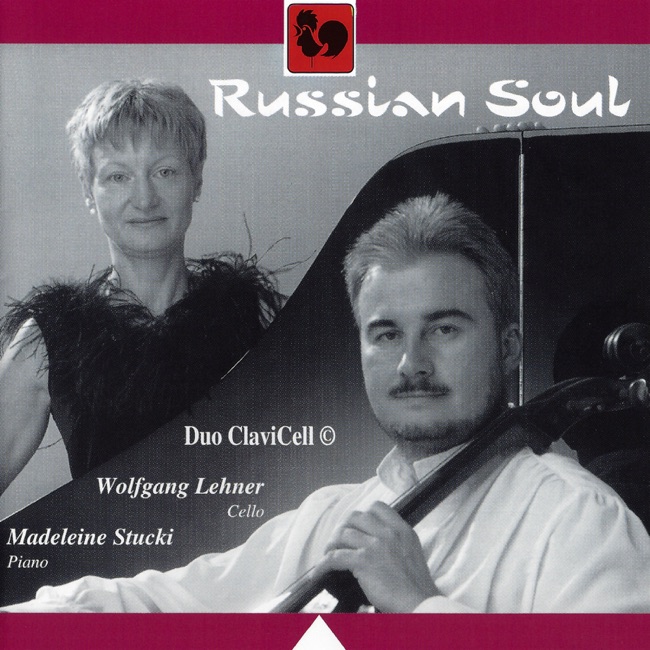 September 26, 2000
Orchestral
-
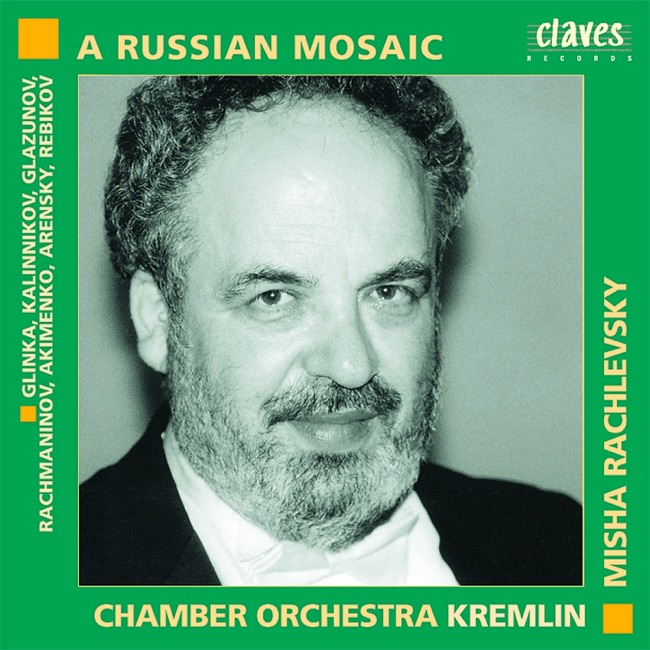 April 30, 2002
Artist Info
Role:ComposerBirth:February 20, 1876Death:January 3, 1945Period:ModernGenre:ChamberOrchestralFyodor Stepanovich Akimenko was a Russian composer, pianist, and music teacher who lived from 1876 to 1945. He was born in Kharkov, Ukraine, which was then part of the Russian Empire. Akimenko's father was a music teacher, and his mother was a singer. From a young age, Akimenko showed a talent for music, and he began studying piano and composition with his father. In 1894, Akimenko moved to Moscow to study at the Moscow Conservatory, one of the most prestigious music schools in Russia. There, he studied composition with Sergei Taneyev and piano with Vasily Safonov. Akimenko was a talented student, and he won several awards and prizes for his compositions while at the conservatory. After graduating from the Moscow Conservatory in 1899, Akimenko began a career as a composer and pianist. He wrote music in a variety of genres, including symphonies, chamber music, piano music, and songs. Akimenko's music was influenced by the Romantic composers of the 19th century, such as Tchaikovsky and Rachmaninoff, but he also incorporated elements of Russian folk music into his compositions. One of Akimenko's most famous works is his Piano Concerto No. 1 in C minor, which he composed in 1908. The concerto is a virtuosic showcase for the solo pianist, with fast runs and intricate passages that require great technical skill. The concerto was well-received when it was first performed, and it has remained a popular work in the piano repertoire. Another notable work by Akimenko is his Symphony No. 1 in C minor, which he composed in 1910. The symphony is a large-scale work that showcases Akimenko's skill as an orchestrator. The symphony is in four movements, and it features lush melodies and dramatic contrasts between the different sections of the orchestra. In addition to his work as a composer, Akimenko was also a respected music teacher. He taught at the Moscow Conservatory from 1903 to 1918, and he later taught at the Kiev Conservatory and the Leningrad Conservatory. Akimenko's students included several notable composers, such as Nikolai Myaskovsky and Sergei Prokofiev. Akimenko's career was interrupted by the Russian Revolution of 1917 and the subsequent Civil War. He fled Moscow in 1918 and spent several years living in various cities in Ukraine and Russia. During this time, he continued to compose and perform, but his opportunities were limited by the political and economic turmoil of the time. In 1922, Akimenko moved to Berlin, where he lived for several years. He continued to compose and perform, and he also taught at the Stern Conservatory. While in Berlin, Akimenko wrote several works that were influenced by the music of his new surroundings, including his Suite for Orchestra No. 2, which incorporates elements of German folk music. In 1933, Akimenko returned to the Soviet Union, where he lived for the rest of his life. He continued to compose and teach, but his music was increasingly criticized by the Soviet authorities for being too "formalist" and not sufficiently "proletarian." Despite this, Akimenko remained committed to his artistic vision, and he continued to write music that was true to his own style and sensibilities. Fyodor Stepanovich Akimenko died in Leningrad in 1945, at the age of 69. His music has been largely forgotten in the years since his death, but his Piano Concerto No. 1 and Symphony No. 1 remain popular works in the classical repertoire.More....
Recent Artist Music
3
8:30

Copyright Ⓒ 2013 Davinci Finger. All rights reseved
Service Terms & Policy