


Peter Scott Lewis
Released Album
Chamber
-
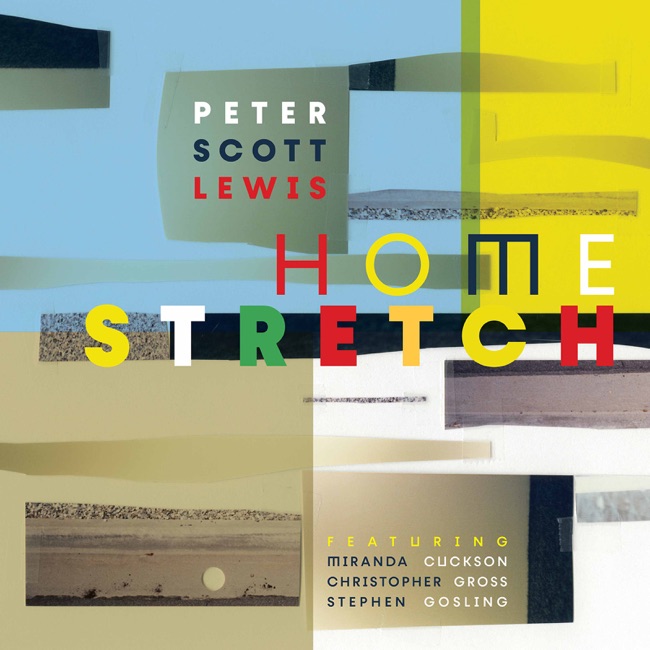 November 15, 2019
 -
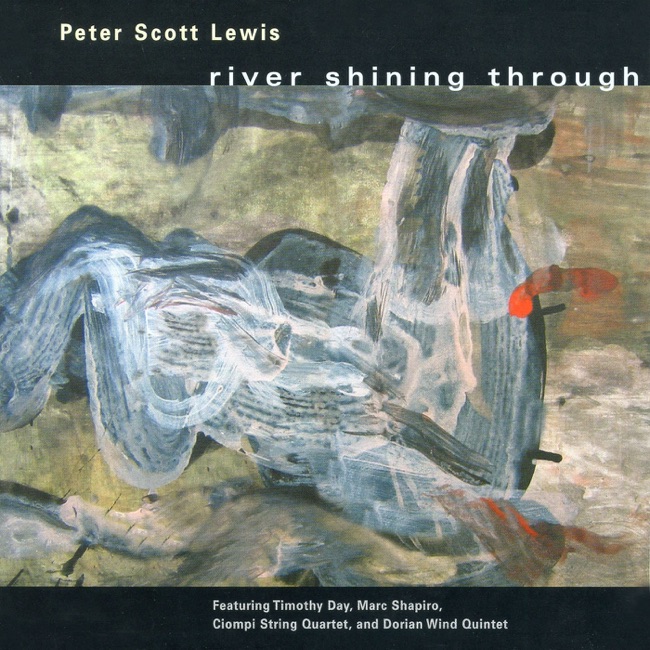 March 20, 2007
 -
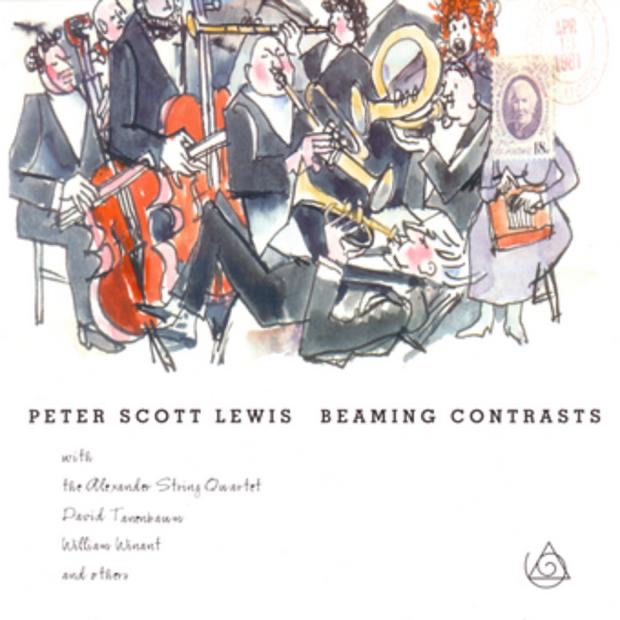 January 1, 1993
Miscellaneous
-
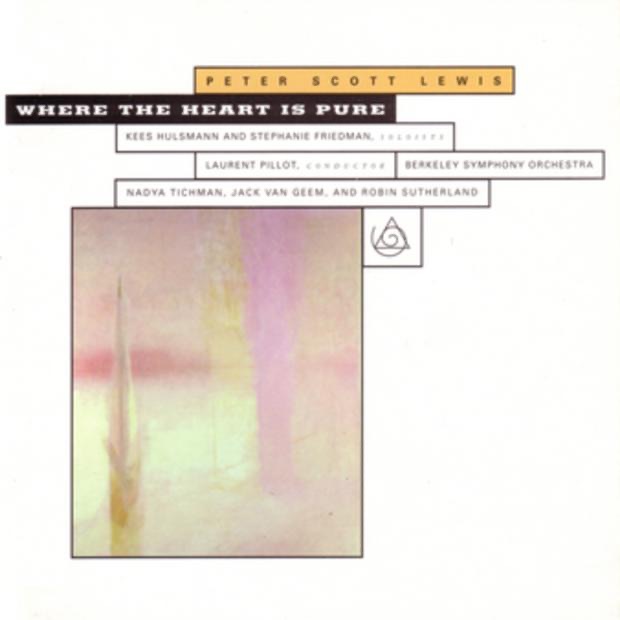 January 1, 1996
Artist Info
Role:Composer ConductorBirth:August 31, 1953 in San Rafael, CAPeriod:ContemporaryGenre:ChamberPeter Scott Lewis is a renowned American composer of classical music, known for his innovative and expressive works that blend traditional and contemporary styles. Born on August 22, 1953, in New York City, Lewis grew up in a family of musicians and was exposed to music from an early age. His father was a jazz pianist, and his mother was a classical pianist, and they both encouraged him to pursue music as a career. Lewis began his formal music education at the age of six, studying piano and composition with his mother. He later attended the Juilliard School in New York City, where he studied composition with Vincent Persichetti and Roger Sessions. After completing his studies at Juilliard, Lewis went on to earn a Ph.D. in composition from the University of California, Berkeley, where he studied with Andrew Imbrie and Olly Wilson. Throughout his career, Lewis has been recognized for his innovative and expressive compositions, which draw on a wide range of musical influences and styles. His works often incorporate elements of jazz, rock, and world music, as well as traditional classical forms and techniques. He is particularly known for his use of unconventional instruments and sounds, such as electronic and computer-generated sounds, as well as his exploration of new forms and structures. One of Lewis's early works, "The Four Elements" (1980), is a suite for piano that explores the four classical elements of earth, air, fire, and water. The piece is characterized by its use of unconventional harmonies and rhythms, as well as its evocative and atmospheric textures. Another early work, "The Garden of Earthly Delights" (1982), is a chamber opera based on the famous painting by Hieronymus Bosch. The opera features a diverse range of musical styles, from medieval chant to contemporary jazz, and explores themes of love, desire, and temptation. In the 1990s, Lewis began to incorporate electronic and computer-generated sounds into his compositions, creating a new hybrid form of music that blended traditional and contemporary elements. One of his most notable works from this period is "The Four Directions" (1994), a multimedia piece for orchestra, chorus, and computer-generated sounds. The piece explores the four cardinal directions of north, south, east, and west, and features a complex interplay of acoustic and electronic sounds. In the early 2000s, Lewis began to focus more on chamber music, creating a series of works for small ensembles that explored new forms and structures. One of his most notable works from this period is "The Four Winds" (2003), a suite for flute, clarinet, violin, cello, and piano that explores the four winds of the compass. The piece is characterized by its intricate interplay of rhythms and textures, as well as its use of unconventional harmonies and timbres. In recent years, Lewis has continued to explore new forms and structures in his compositions, as well as new ways of incorporating electronic and computer-generated sounds. One of his most recent works, "The Four Seasons" (2018), is a multimedia piece for orchestra, chorus, and computer-generated sounds that explores the four seasons of the year. The piece features a complex interplay of acoustic and electronic sounds, as well as a diverse range of musical styles and influences. Throughout his career, Lewis has been recognized for his innovative and expressive compositions, receiving numerous awards and honors.More....
Recent Artist Music

Copyright Ⓒ 2013 Davinci Finger. All rights reseved
Service Terms & Policy