


Giovanni Maria Bononcini
Released Album
Chamber
-
 September 18, 2020
 -
-
 June 3, 2013
 -
 November 14, 2011
 -
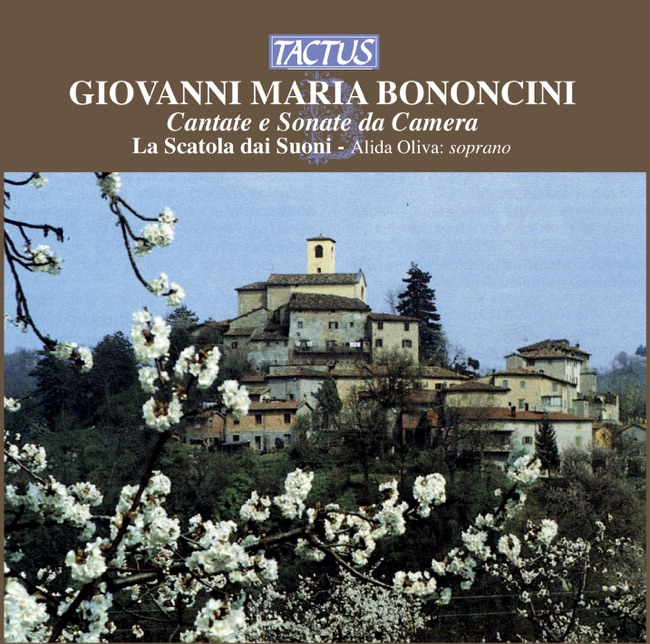 August 11, 2009
Artist Info
Role:ComposerBirth:1642Death:1678Giovanni Maria Bononcini was an Italian composer of the Baroque era, born on July 18, 1670, in Modena, Italy. He was the son of Giovanni Maria Bononcini, a cellist and composer, and Maddalena Rosa, a singer. His father was his first music teacher, and he began his musical education at a young age. Bononcini's talent as a composer was evident from an early age, and he quickly gained a reputation as a skilled musician. He studied with the famous composer and violinist Giovanni Battista Bassani, who was a major influence on his musical style. Bononcini's early works were primarily vocal music, including cantatas and oratorios. In 1690, Bononcini moved to Rome, where he worked as a composer and musician for several years. During this time, he composed a number of operas, including his first major success, "Xerse," which premiered in 1694. This opera was well-received by audiences and critics alike, and it helped establish Bononcini as a major composer of his time. In 1698, Bononcini moved to Vienna, where he worked as a composer and musician for the Imperial Court. During his time in Vienna, he composed a number of operas and other works, including his famous "Cantata di Dafne," which was performed at the Imperial Court in 1701. In 1703, Bononcini returned to Italy, where he continued to compose and perform. He worked in a number of cities, including Venice, Florence, and Rome, and he composed a wide range of works, including operas, cantatas, and oratorios. One of his most famous works from this period is the oratorio "San Nicola di Bari," which was first performed in 1709. In 1720, Bononcini moved to London, where he worked as a composer and musician for the Royal Court. During his time in London, he composed a number of operas and other works, including his famous "Camilla," which premiered in 1727. This opera was a major success, and it helped establish Bononcini as one of the leading composers of his time. However, Bononcini's time in London was not without controversy. He became embroiled in a bitter rivalry with another composer, George Frideric Handel, and the two men engaged in a public feud that lasted for several years. The rivalry between Bononcini and Handel was fueled by their respective supporters, and it ultimately led to Bononcini's downfall. In 1733, Bononcini was accused of plagiarism, and he was forced to leave London in disgrace. He returned to Italy, where he continued to compose and perform, but his reputation had been irreparably damaged. He died in Vienna on July 9, 1747, at the age of 76. Despite the controversy that surrounded his career, Bononcini was a highly skilled composer who made significant contributions to the development of Baroque music. His works were known for their melodic beauty and emotional depth, and they continue to be performed and admired by musicians and audiences around the world. Some of Bononcini's most famous works include his operas "Xerse," "Camilla," and "Astarto," as well as his oratorios "San Nicola di Bari" and "La Maddalena." He also composed a number of cantatas, including "Cantata di Dafne" and "Cantata di Adone." In addition to his vocal works, Bononcini also composed instrumental music, including sonatas and concertos. His instrumental works were known for their virtuosity and technical skill, and they were highly regarded by his contemporaries.More....
Recent Artist Music

2
50
3
Trio Sonata for 2 violins & continuo No. 5
Sonata Quinta dell'Ottavo Tuono un tuono più alto (from Sonate da chiesa a Due Violini, Op. 6)
4:58
5
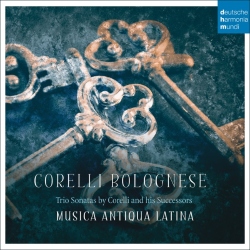
1:31
6
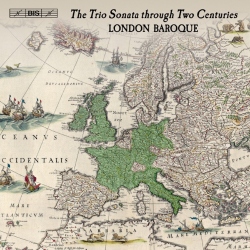
Trio Sonata for 2 violins & continuo No. 5
Sonata Quinta Dell' Ottavo Tuono Un Tuono Più Alto (Sonate da chiesa a Due Violini Opera 6)
4:58
Copyright Ⓒ 2013 Davinci Finger. All rights reseved
Service Terms & Policy