


Giulio Briccialdi
Released Album
Chamber
-
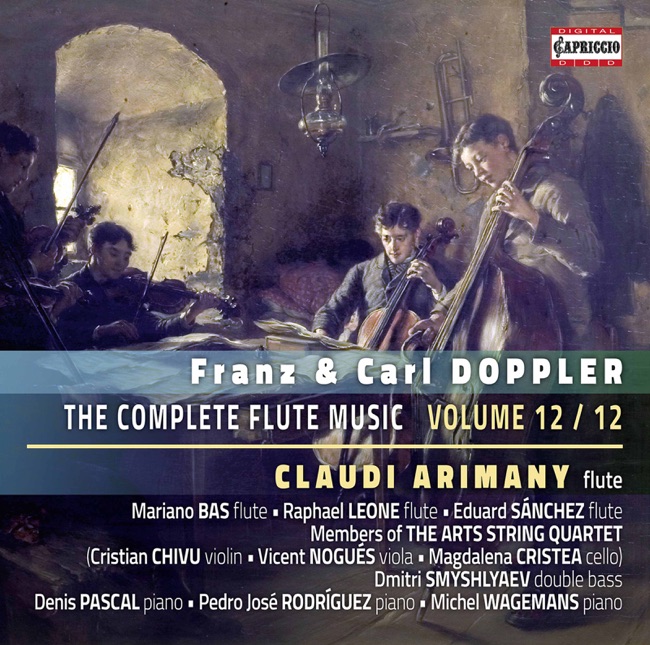 January 8, 2021
 -
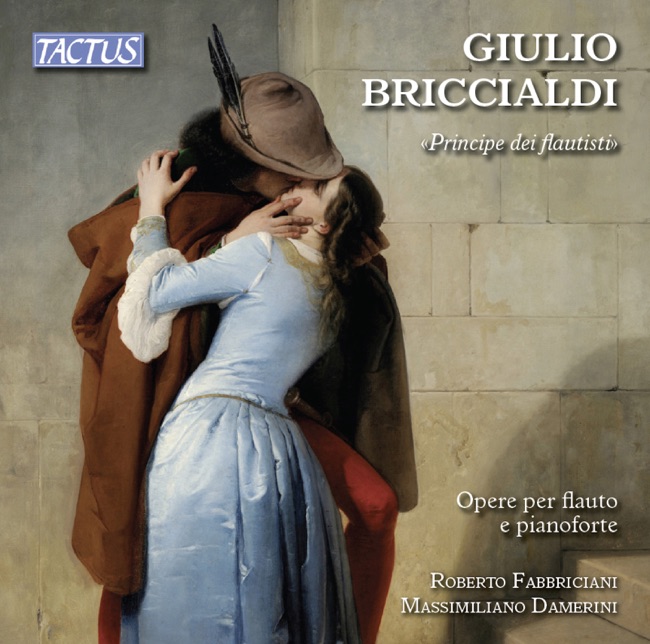 November 2, 2018
 -
 April 27, 2018
 -
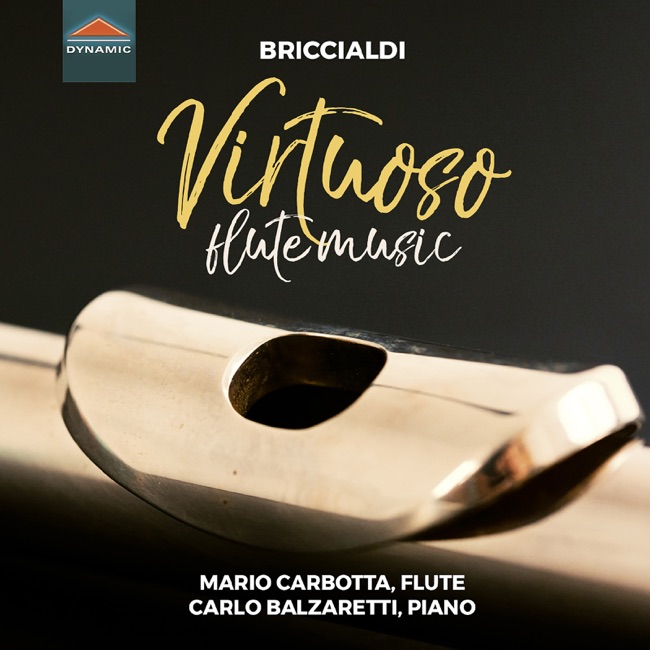 April 20, 2018
 -
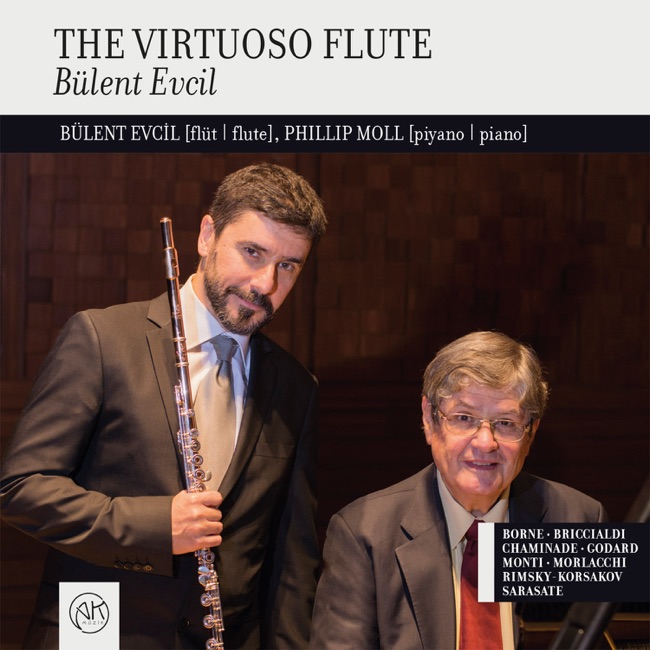 January 28, 2016
 -
 January 1, 2016
Concerto
-
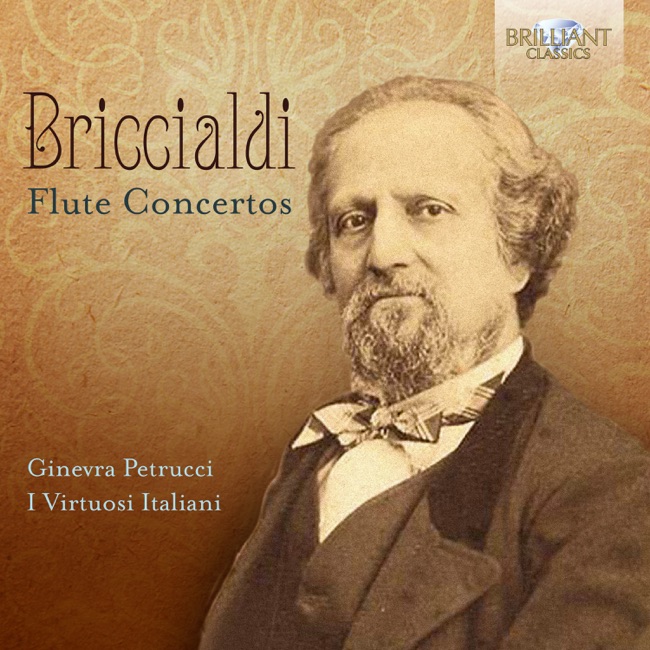 July 27, 2018
 -
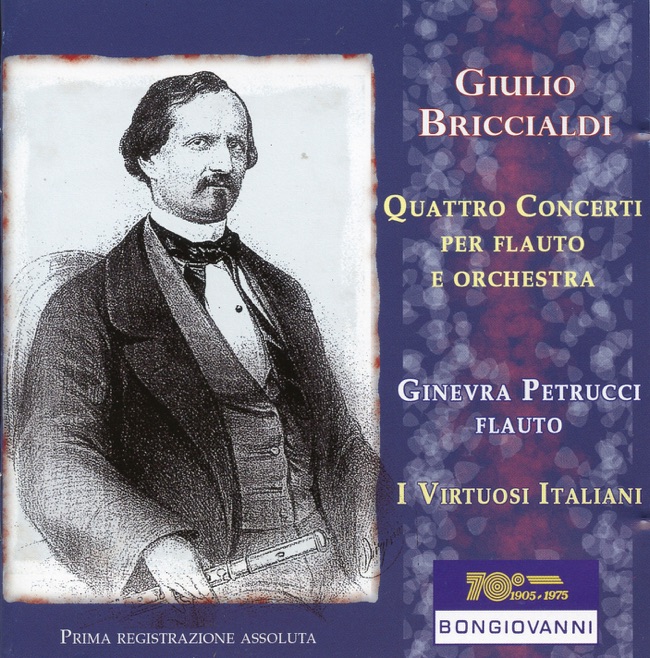 March 1, 2014
 -
 September 14, 1999
Artist Info
Role:ComposerCountry: ItalyBirth:March 2, 1818 in Terni, ItalyDeath:December 17, 1881 in Florence, ItalyPeriod:RomanticGenre:ChamberConcertoGiulio Briccialdi was an Italian composer and flutist who lived from 1818 to 1881. He was born in Terni, Italy, on June 2, 1818, to a family of musicians. His father, Domenico Briccialdi, was a flutist and composer, and his mother, Maria Antonia, was a singer. Giulio showed an early interest in music and began studying the flute with his father at a young age. Briccialdi's musical talent was evident from an early age, and he quickly became a skilled flutist. He made his debut as a soloist at the age of 14 and soon began performing throughout Italy. In 1836, he moved to Paris to study with the renowned flutist Jean-Louis Tulou. While in Paris, Briccialdi also studied composition with Luigi Cherubini and Auguste Franchomme. After completing his studies in Paris, Briccialdi returned to Italy and began a successful career as a performer and composer. He performed throughout Europe and was particularly popular in England, where he made several tours. He also held positions as a professor of flute at the Royal Conservatory of Milan and the Paris Conservatory. Briccialdi's compositions were primarily for the flute, and he wrote numerous works for the instrument, including concertos, sonatas, and studies. His music was known for its technical difficulty and virtuosity, and it was highly regarded by his contemporaries. He also wrote music for other instruments, including a string quartet and a piano trio. One of Briccialdi's most famous works is his Carnival of Venice Variations for flute and piano. This piece is based on the traditional Italian folk song "Il Carnevale di Venezia" and features a series of variations on the melody. The variations are highly virtuosic and showcase the technical abilities of the flute player. The piece remains popular today and is often performed in recitals and competitions. Another notable work by Briccialdi is his Concerto in D Major for flute and orchestra. This piece is a three-movement work that features a lyrical first movement, a virtuosic second movement, and a lively third movement. The concerto is considered one of Briccialdi's most significant works and is still performed today. Briccialdi also wrote several studies for the flute, including his 24 Caprices for Solo Flute. These studies are highly technical and are often used by flute players as a way to improve their skills. Briccialdi's studies are still widely used today and are considered an essential part of the flute repertoire. In addition to his compositions, Briccialdi was also known for his contributions to the development of the modern flute. He worked with the French instrument maker Louis Lot to develop a new type of flute that was more responsive and had a more even tone. Briccialdi's innovations helped to shape the modern flute and made it a more versatile and expressive instrument. Briccialdi died on December 17, 1881, in Florence, Italy. He left behind a legacy of music that continues to be performed and studied today. His contributions to the development of the modern flute and his virtuosic compositions have made him one of the most significant figures in the history of classical music.More....
Recent Artist Music
1
6:37
3
9:34
6
6:33
7
11:14
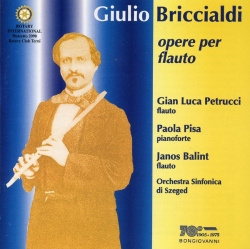
9
11:50
10
3:47
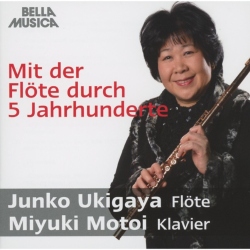
13
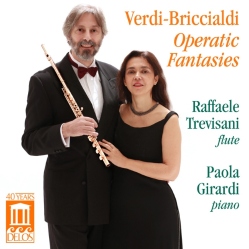
Fantasy on themes from "Il Trovatore"
Fantasy for flute and piano on the opera Il Trovatore by Verdi
10:24
14
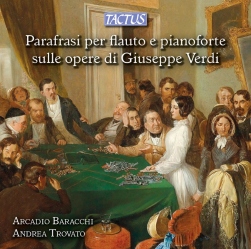
Fantasy on Don Carlos for flute & piano No. 2, Op. 122
Seconda Fantasia su Don Carlos Op. 122
8:49
15
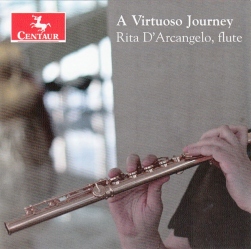
Variations on 'Qual Cor Tradisti' from the opera Norma (after Bellini)
Opera Norma: Variations on the Theme "Qual Cor Tradisti"
6:4
Copyright Ⓒ 2013 Davinci Finger. All rights reseved
Service Terms & Policy