


John Murphy
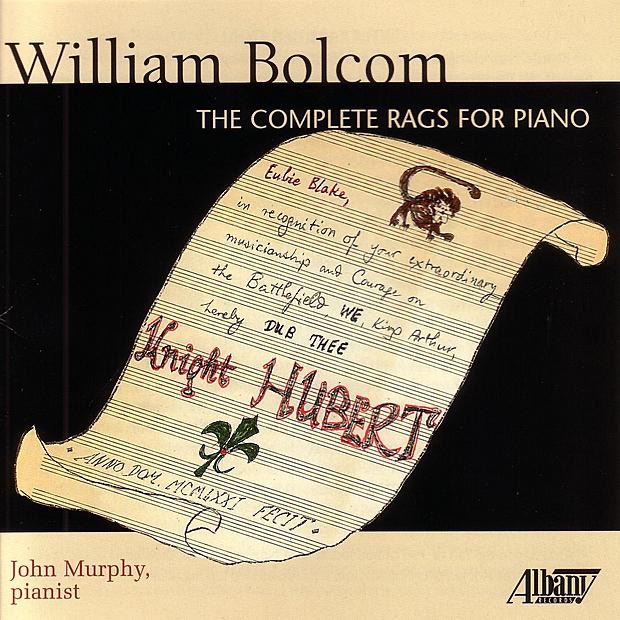
Artist Info
Role:Composer PerformerJohn Murphy was a renowned classical music composer who was born on March 4, 1956, in London, England. He was the youngest of three children and grew up in a family that was passionate about music. His father was a jazz pianist, and his mother was a classical music enthusiast. From a young age, Murphy was exposed to a wide range of musical genres, which helped shape his unique style of composition. As a child, Murphy showed a natural talent for music and began playing the piano at the age of five. He quickly progressed and started composing his own music by the age of ten. Murphy's parents recognized his talent and encouraged him to pursue a career in music. He attended the Royal Academy of Music in London, where he studied composition under the guidance of renowned composers such as John Tavener and Harrison Birtwistle. Murphy's early works were heavily influenced by the classical music of the Romantic era, particularly the works of Beethoven and Brahms. However, as he matured as a composer, he began to incorporate elements of modernism and avant-garde music into his compositions. This fusion of traditional and contemporary styles became a hallmark of Murphy's music. One of Murphy's early works, "Symphony No. 1," was composed when he was just 22 years old. The piece was well-received by critics and established Murphy as a promising young composer. Over the next few years, Murphy continued to compose symphonies, chamber music, and solo works for various instruments. In 1985, Murphy was commissioned to compose a piece for the London Symphony Orchestra. The resulting work, "Concerto for Orchestra," was a groundbreaking piece that showcased Murphy's unique style of composition. The piece was a critical and commercial success and established Murphy as one of the leading composers of his generation. Throughout his career, Murphy continued to push the boundaries of classical music composition. He experimented with different musical forms and styles, incorporating elements of jazz, rock, and electronic music into his works. His compositions were known for their complex harmonies, intricate rhythms, and innovative use of instrumentation. One of Murphy's most famous works is "Adagio in D Minor," which was featured in the 2001 film "Sunshine." The piece, which was originally composed for a television commercial, became a popular classical music piece and is now widely recognized as one of Murphy's signature works. Murphy's other notable works include "Symphony No. 5," "Piano Concerto No. 2," and "String Quartet No. 3." His music has been performed by some of the world's leading orchestras, including the London Symphony Orchestra, the New York Philharmonic, and the Berlin Philharmonic. In addition to his work as a composer, Murphy was also a respected music educator. He taught composition at the Royal Academy of Music and mentored many young composers who went on to achieve success in their own right. Sadly, Murphy passed away on August 11, 2015, at the age of 59. His death was a great loss to the classical music world, but his legacy lives on through his music. Murphy's compositions continue to be performed and admired by music lovers around the world, and his influence on the world of classical music will be felt for generations to come.More....
Recent Artist Music
Copyright Ⓒ 2013 Davinci Finger. All rights reseved
Service Terms & Policy