


Hilarión Eslava
Released Album
Keyboard
-
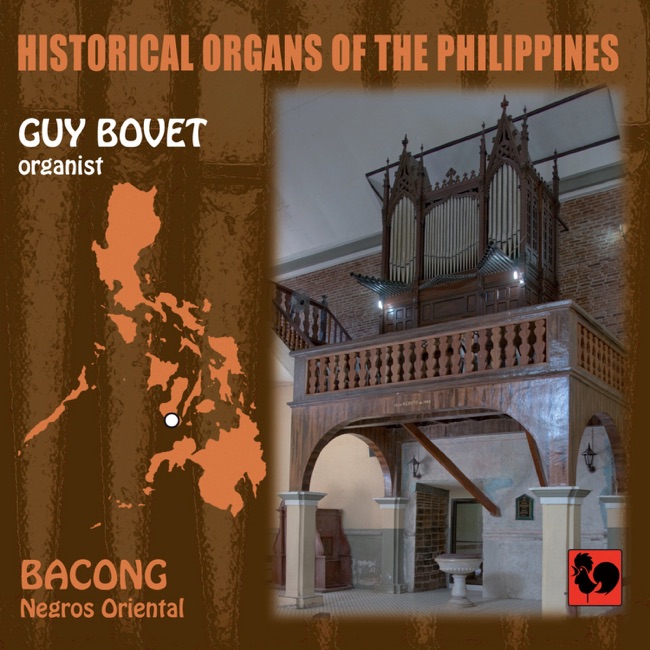 June 12, 2012
Choral
-
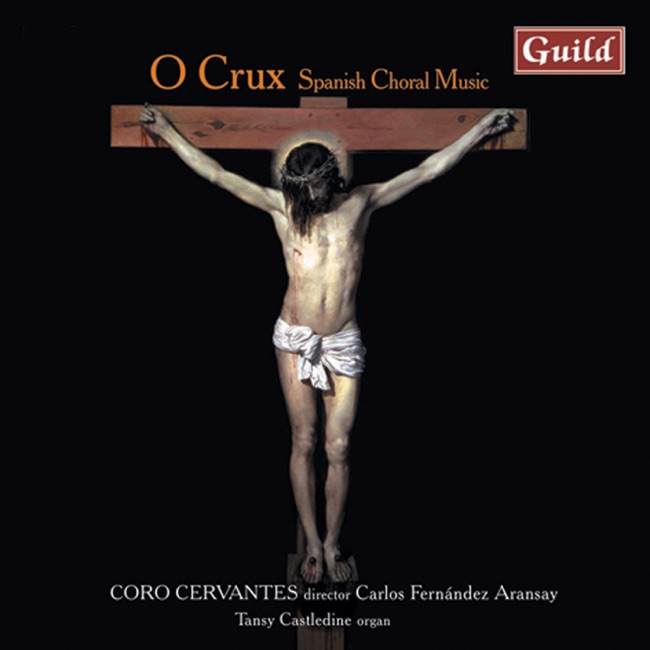 April 29, 2002
Artist Info
Role:ComposerBirth:October 21, 1807Death:July 23, 1878Genre:ChoralVocalHilarión Eslava was a Spanish composer, music educator, and musicologist who was born on October 7, 1807, in Burlada, Navarre, Spain. He was the son of a church organist and began his musical education at a young age. Eslava showed a great talent for music, and his father recognized his potential and encouraged him to pursue a career in music. Eslava studied music at the Royal Conservatory of Music in Madrid, where he was a student of the renowned composer and music theorist, Pedro Albéniz. He excelled in his studies and was awarded a scholarship to continue his education in Paris, where he studied with the famous composer and music theorist, François-Joseph Fétis. After completing his studies in Paris, Eslava returned to Spain and began his career as a music educator. He was appointed as the director of the choir at the Royal Chapel in Madrid, where he worked for several years. In 1849, he was appointed as the director of the Royal Conservatory of Music in Madrid, a position he held until his retirement in 1871. Eslava was a prolific composer, and his works include operas, zarzuelas, symphonies, chamber music, and choral music. He was also a musicologist and wrote several books on music theory and history, including his famous "Lira Sacro-Hispana," a collection of Spanish sacred music. One of Eslava's most famous works is his "Método Completo de Solfeo," a comprehensive method for teaching music theory and sight-singing. The method is still widely used today and has been translated into several languages. Eslava's music is characterized by its simplicity and elegance. He was a master of melody and harmony, and his works are known for their beautiful melodies and rich harmonies. His music is also deeply rooted in Spanish culture and tradition, and he often incorporated elements of Spanish folk music into his compositions. Some of Eslava's most famous works include his "Misa de Réquiem," a beautiful and moving requiem mass, and his "Himno Nacional de España," the national anthem of Spain. He also composed several zarzuelas, including "La Dolorosa," which is still performed today. Eslava's contributions to music education in Spain were significant. He was a pioneer in the development of music education in Spain and played a key role in the establishment of the Royal Conservatory of Music in Madrid. His "Método Completo de Solfeo" is still widely used today and has helped to shape the way music is taught in Spain and around the world. Hilarión Eslava died on July 6, 1878, in Madrid, Spain. He left behind a rich legacy of music and education, and his contributions to Spanish music and culture continue to be celebrated today.More....
Recent Artist Music
Copyright Ⓒ 2013 Davinci Finger. All rights reseved
Service Terms & Policy