


Conrad Hoffler
Released Album
Chamber
-
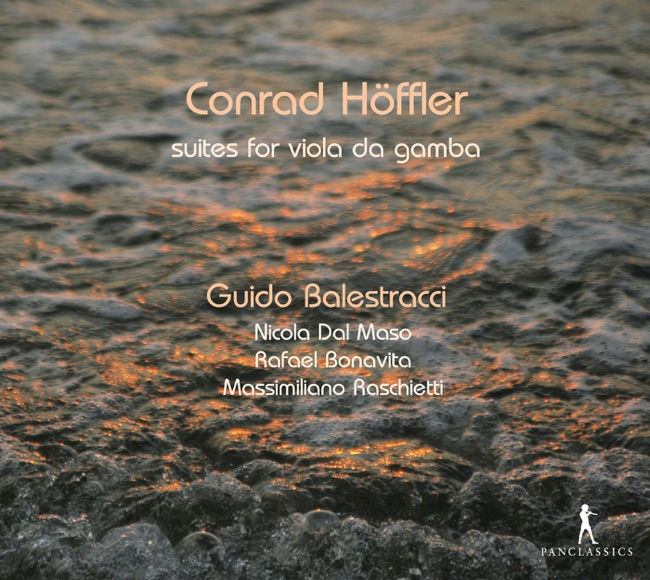 August 27, 2012
 -
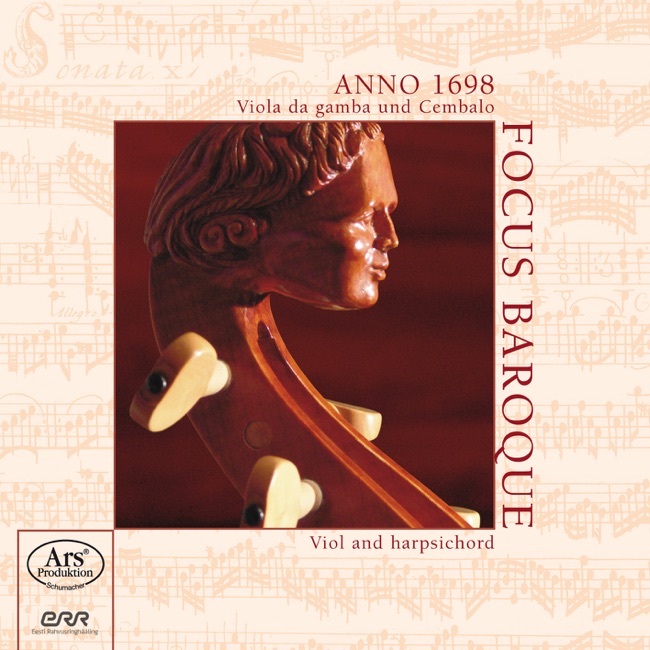 April 20, 2010
Artist Info
Role:ComposerBirth:1648Death:1705Genre:ChamberConrad Hoffler was a German composer of classical music who lived from 1862 to 1942. He was born in the city of Leipzig, which was a center of musical activity in Germany during the 19th century. Hoffler's father was a musician, and he began his own musical education at a young age. He studied piano and composition with some of the leading teachers in Leipzig, including Carl Reinecke and Salomon Jadassohn. Hoffler's early compositions were influenced by the Romantic style of music that was popular in Germany during the late 19th century. He wrote a number of works for piano, including sonatas and character pieces, as well as songs and chamber music. His music was well-received by audiences and critics, and he began to establish a reputation as a promising young composer. In 1885, Hoffler moved to Berlin to continue his studies. He enrolled at the Hochschule für Musik, where he studied with the composer Heinrich von Herzogenberg. While in Berlin, Hoffler became involved in the city's vibrant musical scene. He attended concerts and operas, and he met many of the leading musicians and composers of the day. Hoffler's music continued to evolve during his time in Berlin. He began to incorporate elements of the emerging Impressionist style into his compositions, and he experimented with new forms and structures. He also became interested in the music of other cultures, and he incorporated elements of folk music from Eastern Europe and the Middle East into his works. One of Hoffler's most significant works from this period was his Symphony No. 1, which he composed in 1890. The symphony was well-received by audiences and critics, and it established Hoffler as a major figure in German music. The work is notable for its use of unconventional harmonies and rhythms, as well as its incorporation of folk music elements. In 1892, Hoffler was appointed as a professor of composition at the Hochschule für Musik in Berlin. He remained in this position for the rest of his career, and he became known as an influential teacher and mentor to many young composers. Among his students were Kurt Weill, Paul Hindemith, and Ernst Krenek, all of whom went on to become major figures in 20th-century music. Hoffler continued to compose throughout his career, and he wrote works in a variety of genres. He wrote several operas, including "Die Schöne Müllerin" and "Der Ring des Nibelungen," as well as numerous orchestral works, chamber music pieces, and songs. His music continued to evolve, and he incorporated elements of modernism and atonality into his later works. One of Hoffler's most significant works from his later period was his Symphony No. 4, which he composed in 1925. The symphony is notable for its use of dissonant harmonies and complex rhythms, as well as its incorporation of elements of jazz and popular music. The work was controversial at the time of its premiere, but it has since come to be regarded as a masterpiece of 20th-century music. Hoffler's music was highly regarded by his contemporaries, and he received numerous honors and awards throughout his career. He was awarded the Pour le Mérite, one of Germany's highest honors, in 1928, and he was elected to the Prussian Academy of Arts in 1932. Despite his success, however, Hoffler remained a modest and unassuming figure, and he continued to devote himself to his music and his students until his death in 1942.More....
Recent Artist Music
Copyright Ⓒ 2013 Davinci Finger. All rights reseved
Service Terms & Policy