


John Halle
Released Album
Chamber
-
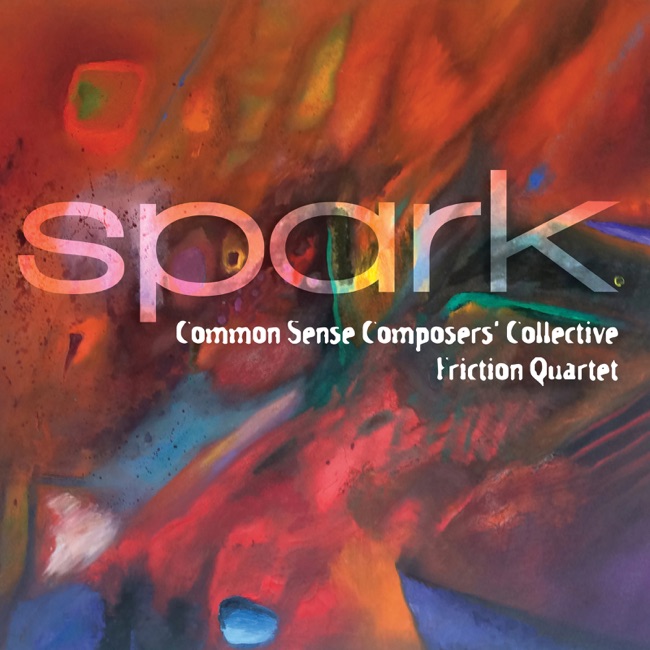 May 10, 2019
 -
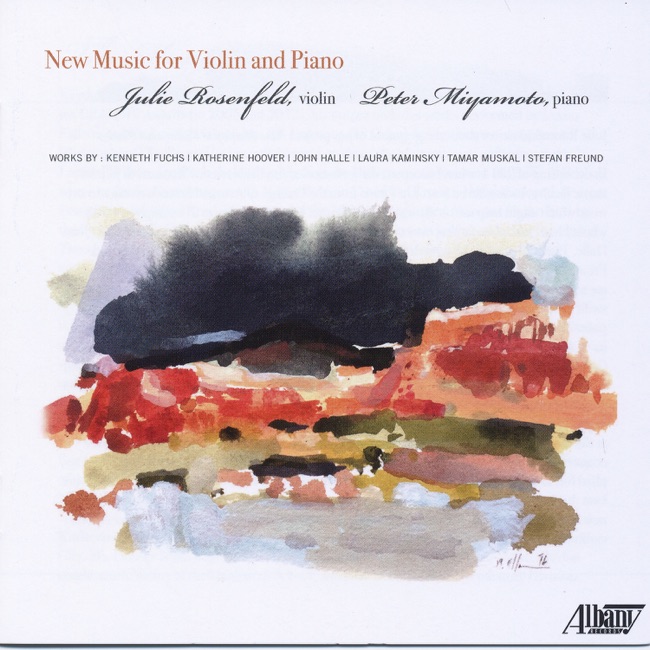 April 2, 2018
 -
 April 24, 2012
 -
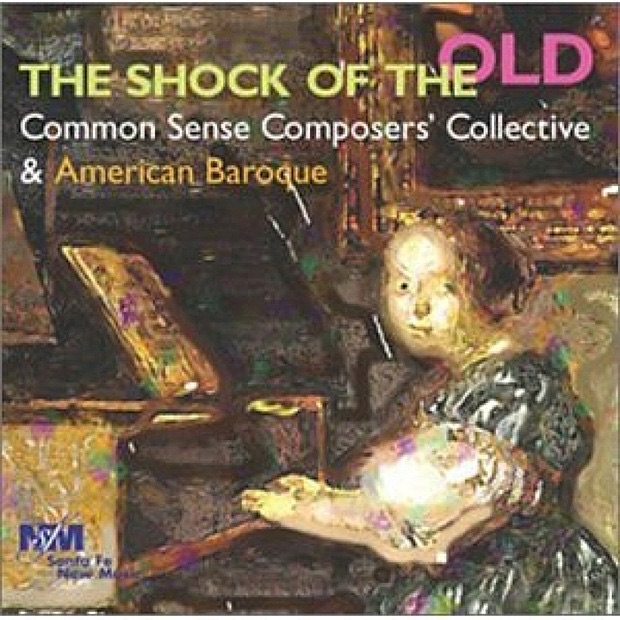
-
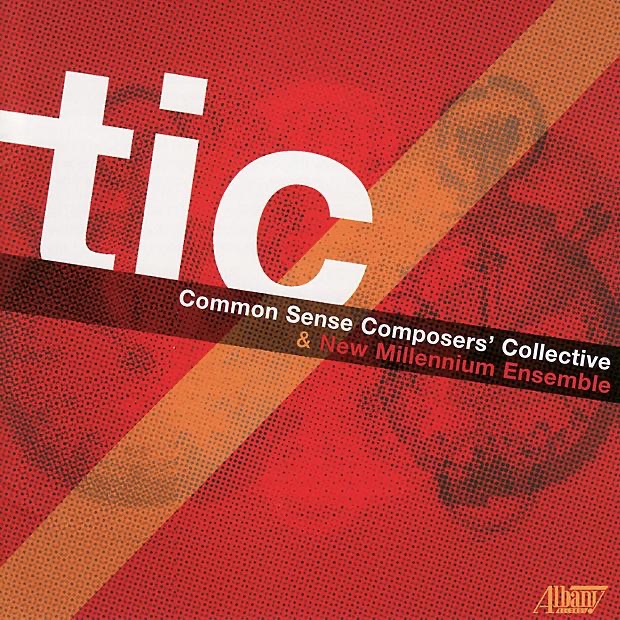 February 1, 2007
Vocal
-
 July 29, 2014
 -
 April 24, 2007
Keyboard
-
 September 28, 2010
 -
 June 9, 2009
Miscellaneous
-
 January 6, 1994
Artist Info
Role:ComposerPeriod:ContemporaryJohn Halle was a renowned American composer, pianist, and music educator who was born on December 16, 1959, in New York City. He grew up in a family of musicians, with his father being a jazz pianist and his mother a classical pianist. Halle started playing the piano at a young age and showed exceptional talent in music. He attended the Juilliard School of Music in New York City, where he studied composition under the tutelage of Milton Babbitt and Elliott Carter. Halle's early compositions were heavily influenced by the works of his mentors, Babbitt and Carter, who were known for their complex and avant-garde compositions. However, Halle soon developed his own unique style, which was characterized by a blend of traditional classical music and contemporary techniques. His compositions were often described as being intellectually challenging yet emotionally engaging. One of Halle's most notable works is his Piano Sonata No. 1, which he composed in 1983. The piece is a complex and virtuosic work that showcases Halle's technical prowess as a pianist and composer. The sonata is divided into three movements, each of which explores different musical themes and techniques. The first movement is characterized by its use of dissonant harmonies and complex rhythms, while the second movement is more lyrical and introspective. The final movement is a fast and energetic piece that showcases Halle's virtuosity as a pianist. Halle's other notable works include his String Quartet No. 1, which he composed in 1986. The piece is a complex and intricate work that explores the possibilities of the string quartet as an ensemble. The quartet is divided into four movements, each of which explores different musical themes and techniques. The first movement is characterized by its use of complex rhythms and dissonant harmonies, while the second movement is more lyrical and introspective. The third movement is a fast and energetic piece that showcases the technical prowess of the string players, while the final movement is a slow and contemplative piece that brings the quartet to a peaceful conclusion. In addition to his work as a composer, Halle was also a dedicated music educator. He taught at several prestigious institutions, including the New England Conservatory of Music and the University of California, Berkeley. Halle was known for his innovative teaching methods, which emphasized the importance of creativity and individual expression in music. Halle's contributions to the world of classical music were recognized with numerous awards and honors. In 1990, he was awarded a Guggenheim Fellowship, which allowed him to continue his work as a composer. He was also a recipient of the Rome Prize, which allowed him to study and compose in Rome for a year. In 2001, he was awarded the Charles Ives Living Award, which is given to American composers who have made significant contributions to the field of classical music. Tragically, John Halle passed away on August 27, 2018, at the age of 58. His death was a great loss to the world of classical music, as he was widely regarded as one of the most innovative and talented composers of his generation. However, his legacy lives on through his music and the countless students he inspired and taught throughout his career.More....
Recent Artist Music

3
8:19



Copyright Ⓒ 2013 Davinci Finger. All rights reseved
Service Terms & Policy