


Giusto Dacci
Released Album
Vocal
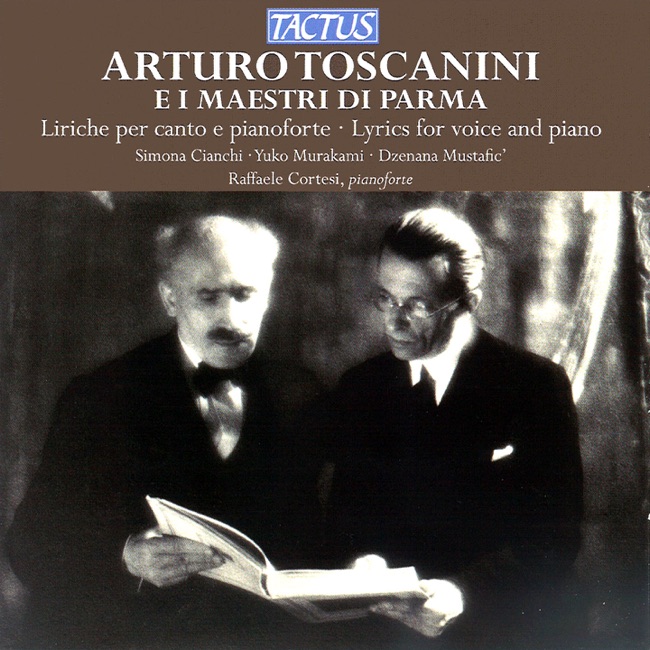
Chamber
-
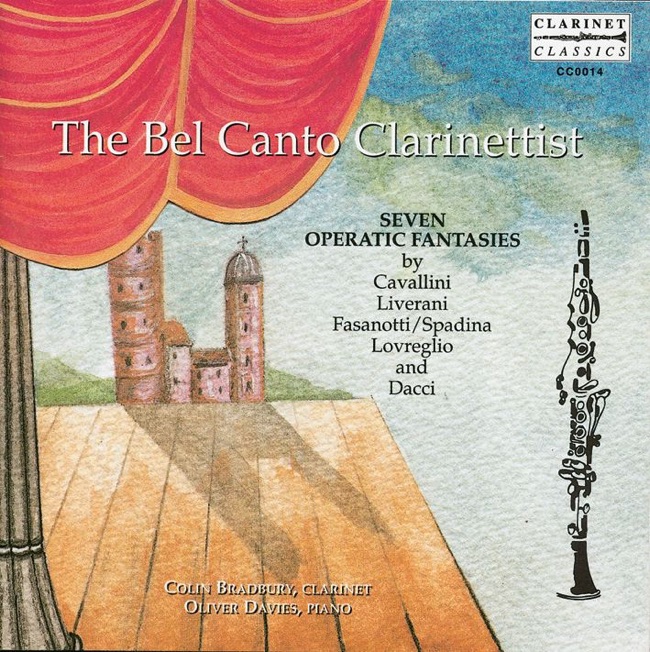 June 27, 2004
Artist Info
Role:ComposerCountry: ItalyBirth:1840Death:1915Genre:ChamberKeyboardGiusto Dacci was a renowned Italian composer of classical music, born on January 15, 1783, in the city of Naples. He was the son of a musician, and his father played the violin in the orchestra of the San Carlo Theatre. Dacci grew up in a musical environment, and his father was his first teacher. He showed an early talent for music and began composing at a young age. Dacci's musical education continued at the Conservatory of San Pietro a Majella in Naples, where he studied under the guidance of the famous composer and teacher Niccolò Antonio Zingarelli. He excelled in his studies and won several awards for his compositions. In 1805, he graduated from the conservatory with honors. After completing his studies, Dacci began his career as a composer and conductor. He worked in various cities in Italy, including Rome, Florence, and Milan. In 1816, he was appointed as the director of the Conservatory of Music in Naples, a position he held until his death. Dacci's compositions were influenced by the classical style of Mozart and Haydn, as well as the Italian opera tradition. He wrote music in various genres, including symphonies, chamber music, operas, and sacred music. His works were characterized by their melodic beauty, harmonic richness, and emotional depth. One of Dacci's most famous works is his opera "La Molinara," which premiered in Naples in 1808. The opera tells the story of a young woman who works in a mill and falls in love with a nobleman. The music is full of lively melodies and colorful orchestration, and the opera was a great success. It was later performed in other cities in Italy and abroad. Another notable work by Dacci is his Symphony No. 1 in C major, which he composed in 1810. The symphony is in the classical style and consists of four movements. It is characterized by its elegant melodies, clear structure, and skillful orchestration. The symphony was well-received by audiences and critics alike and helped establish Dacci's reputation as a composer. Dacci also wrote several chamber music works, including string quartets and piano sonatas. His String Quartet No. 1 in G major is a particularly beautiful work, full of lyrical melodies and expressive harmonies. The quartet was dedicated to the famous violinist and composer Niccolò Paganini, who was a friend and admirer of Dacci's music. In addition to his secular works, Dacci also composed sacred music, including masses, motets, and hymns. His Mass in C major is a particularly impressive work, full of grandeur and solemnity. The mass features a large orchestra, choir, and soloists, and is a testament to Dacci's skill as a composer of sacred music. Throughout his career, Dacci was recognized as one of the leading composers of his time. He received numerous awards and honors, including the title of Knight of the Order of the Two Sicilies. His music was performed in the most prestigious concert halls and opera houses in Italy and abroad, and he was admired by his contemporaries for his talent and creativity. Giusto Dacci died on December 28, 1863, in Naples, at the age of 80. He left behind a rich legacy of music that continues to be performed and admired to this day. His works are a testament to his skill as a composer and his love of music, and they continue to inspire and delight audiences around the world.More....
Recent Artist Music
Copyright Ⓒ 2013 Davinci Finger. All rights reseved
Service Terms & Policy