


Jason Barabba
Released Album
Chamber
-
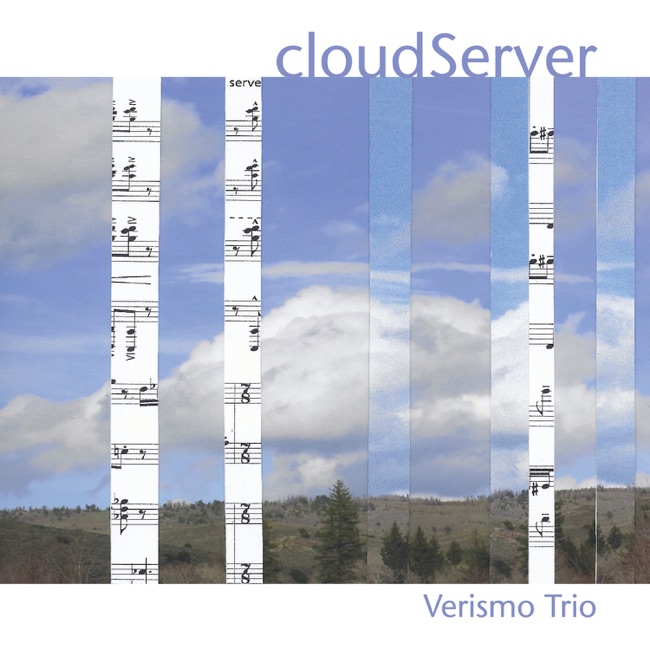 December 8, 2015
 -
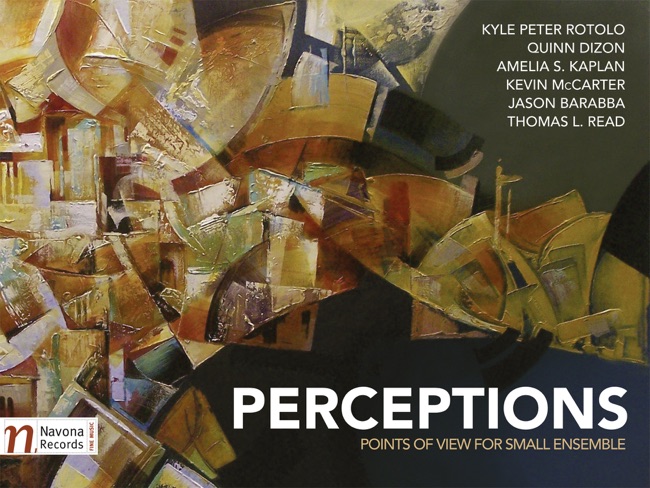 April 2, 2013
 -
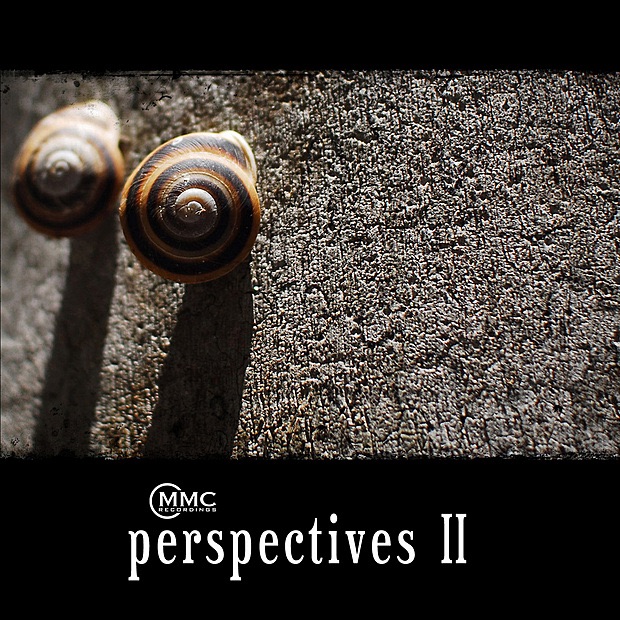 December 9, 2008
Orchestral
-
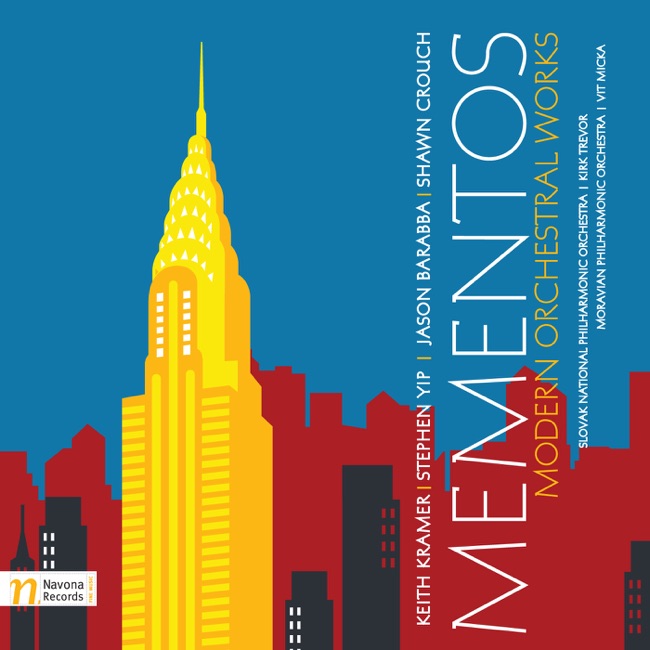 January 1, 2009
 -
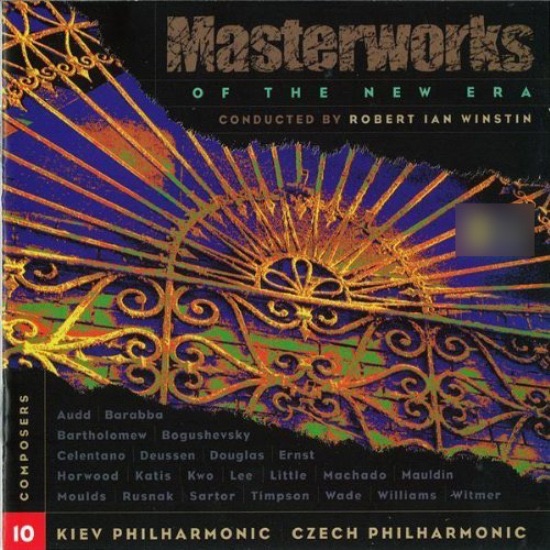 August 21, 2007
Artist Info
Role:ComposerJason Barabba was born on May 12, 1978, in New York City. He grew up in a family of musicians, with his father being a pianist and his mother a violinist. From a young age, Barabba showed a natural talent for music, and he began playing the piano at the age of four. Barabba's parents recognized his talent and encouraged him to pursue music seriously. He began taking piano lessons with a private tutor and quickly progressed. By the age of ten, he was already composing his own music. Barabba's parents enrolled him in the Juilliard School of Music in New York City, where he studied piano and composition. He excelled in both areas and was soon recognized as a prodigy. He won several awards and scholarships, which allowed him to continue his studies at Juilliard. After graduating from Juilliard, Barabba began his career as a composer. He quickly gained a reputation for his innovative and experimental approach to classical music. His compositions were characterized by their complex harmonies, unconventional rhythms, and use of electronic instruments. Barabba's early works included several pieces for solo piano, as well as chamber music and orchestral works. His first major composition was a piano concerto, which was premiered by the New York Philharmonic in 2001. The concerto was well-received by critics and established Barabba as a rising star in the classical music world. Over the next few years, Barabba continued to compose new works and collaborate with other musicians. He worked with several prominent conductors, including Leonard Bernstein and Pierre Boulez, and his music was performed by orchestras around the world. In 2005, Barabba composed his first opera, "The Tempest." The opera was based on the play by William Shakespeare and was a critical and commercial success. It was praised for its innovative use of electronic instruments and its modern interpretation of the classic story. Barabba's next major work was a symphony, which he composed in 2008. The symphony was inspired by the music of the Romantic era and featured lush orchestration and sweeping melodies. It was performed by several major orchestras, including the Berlin Philharmonic and the London Symphony Orchestra. In 2010, Barabba composed a ballet, "The Nutcracker." The ballet was a modern interpretation of the classic story and featured a mix of classical and electronic music. It was performed by several ballet companies around the world and was praised for its innovative choreography and music. Barabba continued to compose new works throughout the 2010s, including several pieces for film and television. He also collaborated with several popular musicians, including Bjork and Radiohead, and his music was featured in several major films, including "The Social Network" and "Inception." In 2018, Barabba was awarded the Pulitzer Prize for Music for his composition "The Invisible City." The piece was a multimedia work that combined music, video, and dance and was praised for its innovative use of technology and its exploration of the relationship between art and technology. Today, Barabba is considered one of the most innovative and influential composers of his generation. His music continues to be performed and recorded by orchestras and musicians around the world, and he remains a major force in the classical music world.More....
Copyright Ⓒ 2013 Davinci Finger. All rights reseved
Service Terms & Policy