


Richard Rijnvos
Released Album
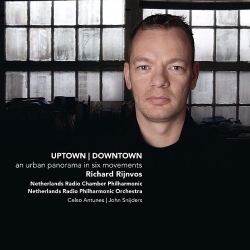
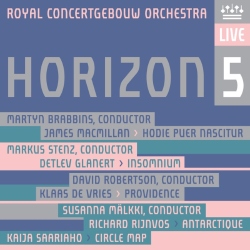
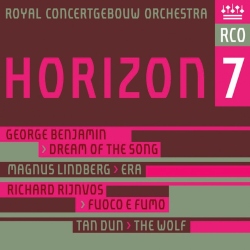
Orchestral
-
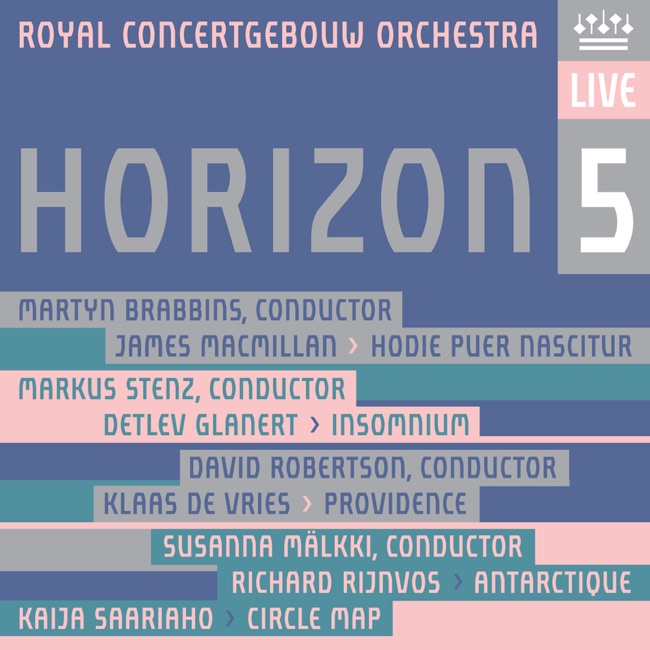 May 5, 2014
 -
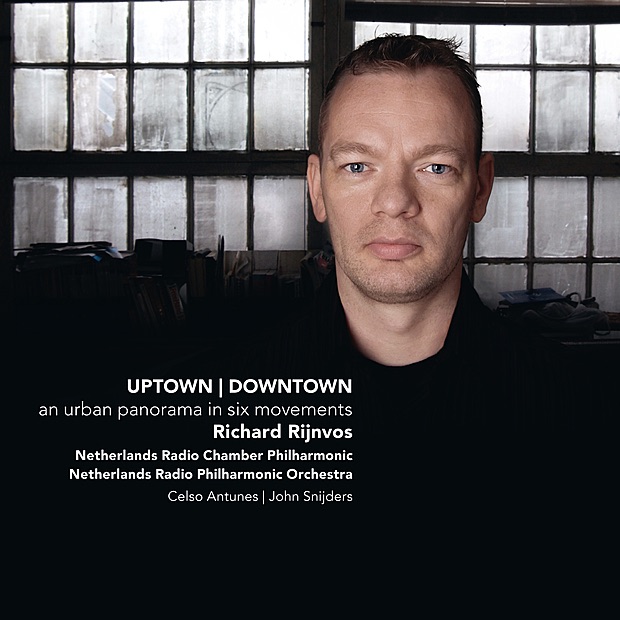 July 23, 2012
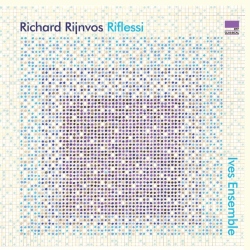
Chamber
-
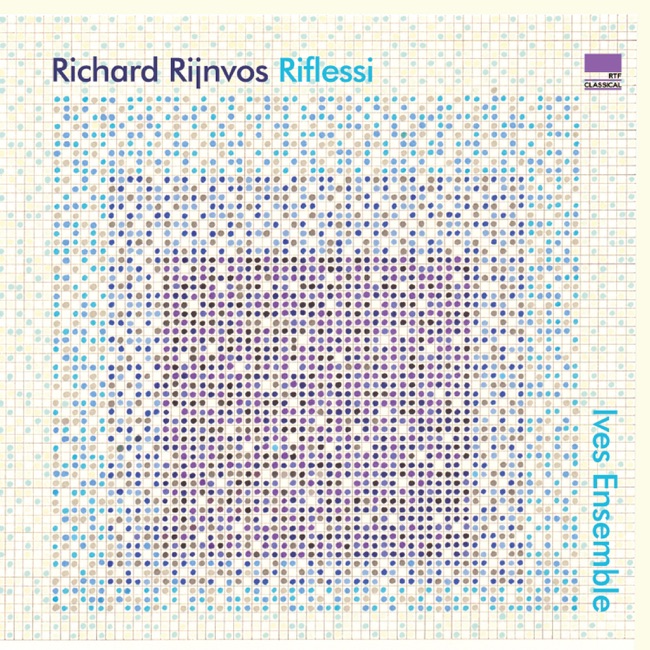 October 4, 2019
 -
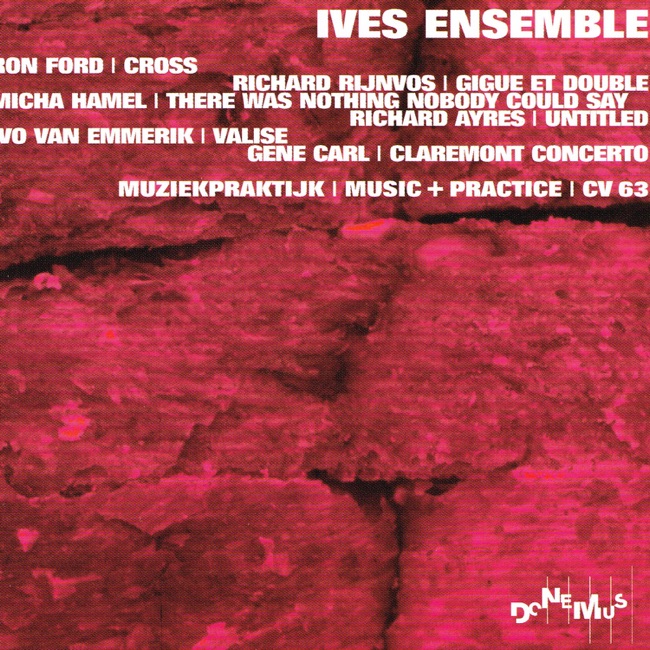
 June 1, 2005
 -
Artist Info
Role:Composer ConductorCountry: NetherlandsBirth:1964 in Tilburg, The NetherlandsPeriod:ContemporaryGenre:ChamberOrchestralRichard Rijnvos is a Dutch composer who was born on December 28, 1964, in Amsterdam. He grew up in a musical family, with his father being a conductor and his mother a pianist. Rijnvos started playing the piano at a young age and showed an early interest in composition. He studied composition at the Amsterdam Conservatory with Ton de Leeuw and later with Brian Ferneyhough at the Royal Conservatory in The Hague. Rijnvos's music is characterized by its complexity and intricate structures. He is known for his use of mathematical and geometric principles in his compositions, which often result in highly organized and precise works. His music is also influenced by the visual arts, literature, and philosophy. One of Rijnvos's early works is his String Quartet No. 1, which he composed in 1988. The piece is based on a mathematical concept called the "golden section," which is a ratio found in nature and art. The quartet is divided into five sections, each of which is based on a different aspect of the golden section. The piece was well-received and helped establish Rijnvos as a promising young composer. In the 1990s, Rijnvos began to explore the use of electronics in his compositions. His work "Riflesso sullo spazio" (1994) is a piece for orchestra and live electronics that explores the relationship between sound and space. The piece features a large orchestra and a computer-generated sound environment that interacts with the live performers. The work was commissioned by the Royal Concertgebouw Orchestra and has been performed by orchestras around the world. Another notable work from this period is "Amérique du Nord" (1997), a piece for large ensemble that is based on the geography and culture of North America. The piece is divided into five movements, each of which is inspired by a different region of the continent. The work features a wide range of instruments, including saxophones, percussion, and electric guitar, and incorporates elements of jazz and rock music. In the 2000s, Rijnvos continued to explore new techniques and concepts in his compositions. His work "Block Beuys" (2002) is a piece for large ensemble that is based on the work of the German artist Joseph Beuys. The piece features a large ensemble of instruments, including a prepared piano and a percussion section that includes car parts and other found objects. The work is structured around a series of "blocks" that represent different aspects of Beuys's art and philosophy. Another notable work from this period is "Die Kammersängerin" (2006), a piece for soprano and ensemble that is based on the life of the German opera singer Elisabeth Schwarzkopf. The piece incorporates elements of Schwarzkopf's performances and recordings, as well as her personal life and relationships. The work features a virtuosic vocal part and a complex ensemble that includes a prepared piano and a large percussion section. In recent years, Rijnvos has continued to push the boundaries of contemporary classical music. His work "Fuoco e Fumo" (2012) is a piece for large ensemble that is based on the work of the Italian artist Giuseppe Penone. The piece features a complex structure that is based on the Fibonacci sequence, a mathematical concept found in nature and art. The work also incorporates elements of Italian folk music and features a virtuosic solo part for accordion.More....
Copyright Ⓒ 2013 Davinci Finger. All rights reseved
Service Terms & Policy