


Hermann Wolfgang von Waltershausen
Released Album
Opera
-
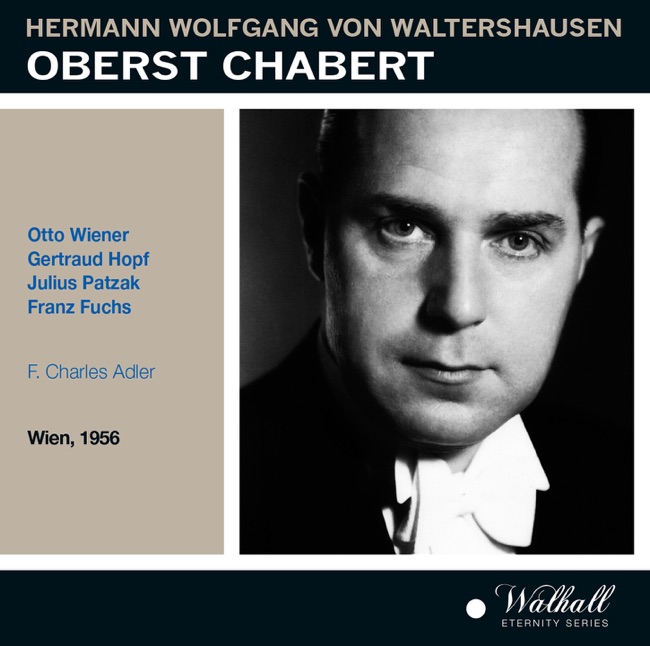 September 9, 2014
 -
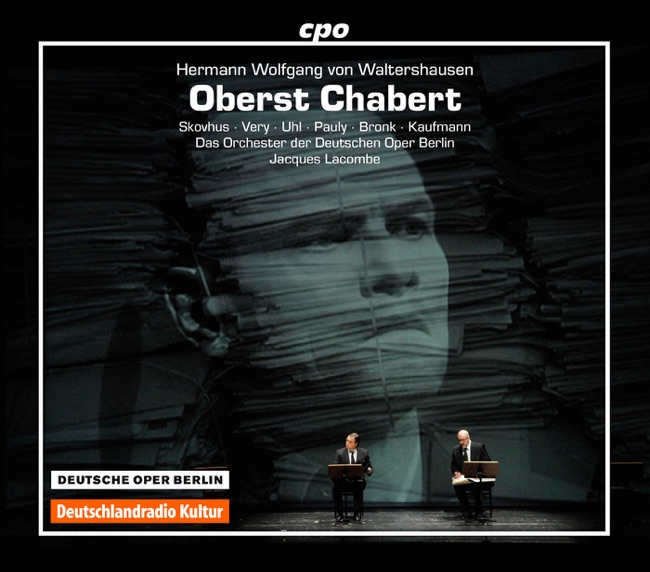 May 31, 2011
Artist Info
Role:ComposerHermann Wolfgang von Waltershausen was a German composer and conductor who lived from 1865 to 1954. He was born in Berlin, Germany, to a family of musicians. His father, Theodor von Waltershausen, was a composer and musicologist, and his mother, Mathilde Wesendonck, was a singer and writer. Waltershausen grew up surrounded by music and was encouraged to pursue a career in music from a young age. Waltershausen began his musical education at the Berlin Conservatory, where he studied composition with Friedrich Kiel and piano with Ernst Rudorff. He also studied conducting with Arthur Nikisch and Hermann Levi. After completing his studies, Waltershausen worked as a conductor in various German cities, including Bremen, Kassel, and Weimar. Waltershausen's early compositions were heavily influenced by the music of Richard Wagner, whom he had met in Bayreuth in 1882. His first major work, the opera "Der Corregidor," was premiered in Weimar in 1896 and was well-received by audiences and critics alike. The opera is based on a Spanish play by Vital Aza and tells the story of a corrupt magistrate who is brought to justice by a group of peasants. In 1903, Waltershausen was appointed conductor of the Berlin State Opera, a position he held until 1919. During his tenure, he conducted many premieres of new operas, including works by Richard Strauss, Paul Hindemith, and Arnold Schoenberg. He also continued to compose, and his second opera, "Oberst Chabert," was premiered in Berlin in 1904. The opera is based on a novella by Honoré de Balzac and tells the story of a soldier who returns from the Napoleonic Wars to find that his wife has remarried. Waltershausen's third opera, "Das Wunder der Heliane," was premiered in Hamburg in 1927 and is considered his masterpiece. The opera is based on a play by Hans Henny Jahnn and tells the story of a woman who is accused of adultery and sentenced to death. She is saved by a mysterious stranger who claims to be the Messiah, but who is ultimately revealed to be a fraud. In addition to his operas, Waltershausen also composed orchestral works, chamber music, and choral music. His "Symphony in C minor" was premiered in Berlin in 1893 and was well-received by audiences and critics. He also wrote a "Piano Concerto" and a "Violin Concerto," both of which were premiered in Berlin in the early 1900s. Waltershausen's music is characterized by its lush harmonies, sweeping melodies, and dramatic intensity. He was a master of orchestration and was able to create rich and complex textures with his use of instruments. His music is often compared to that of Richard Wagner, but Waltershausen's style is more restrained and less bombastic than Wagner's. Despite his success as a composer and conductor, Waltershausen's music fell out of favor after World War II. His association with the Nazi regime, which he had joined in 1933, tarnished his reputation and led to a decline in performances of his music. However, in recent years, there has been a renewed interest in Waltershausen's music, and his operas have been staged in Germany and other countries. Hermann Wolfgang von Waltershausen was a talented composer and conductor who made significant contributions to the world of classical music. His operas, orchestral works, and chamber music are characterized by their lush harmonies, sweeping melodies, and dramatic intensity.More....
Recent Artist Music
Copyright Ⓒ 2013 Davinci Finger. All rights reseved
Service Terms & Policy