


Christopher Wright
Released Album
Chamber
-
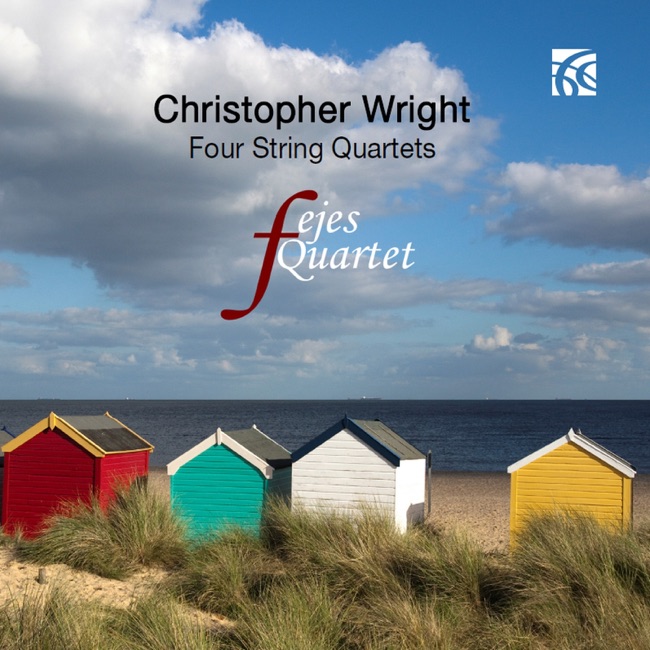 July 10, 2015
 -
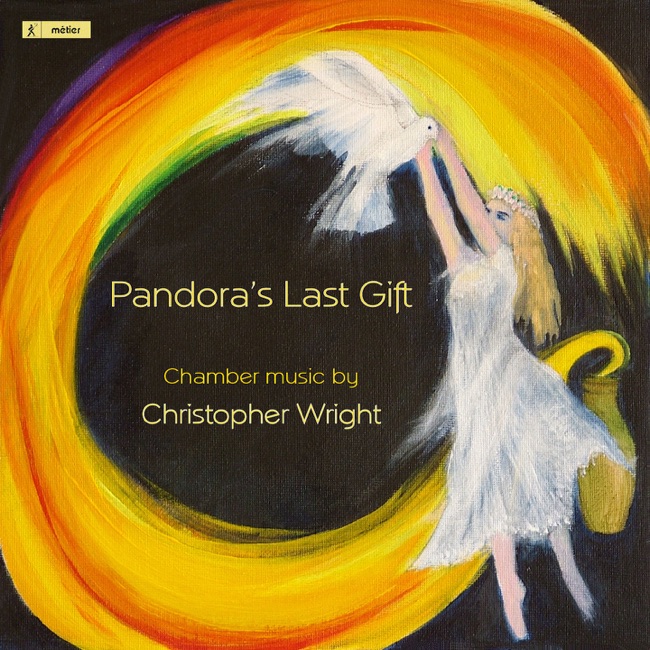 September 9, 2014
 -
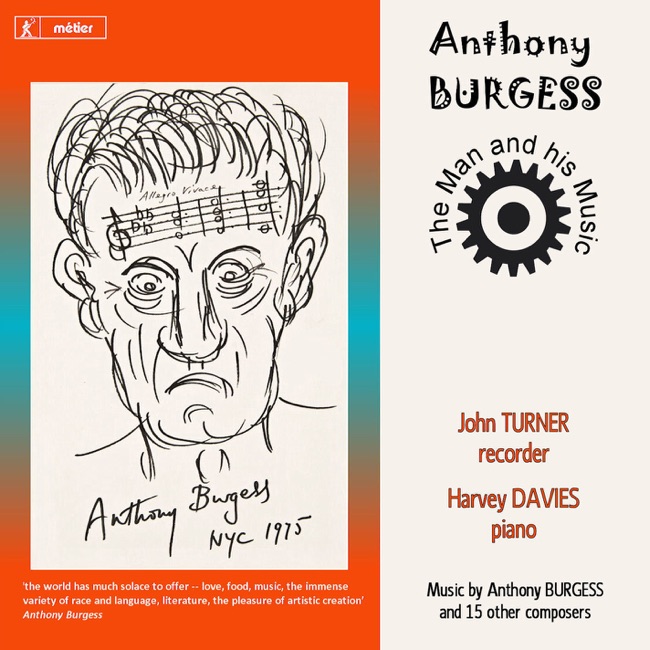 September 2, 2013
Concerto
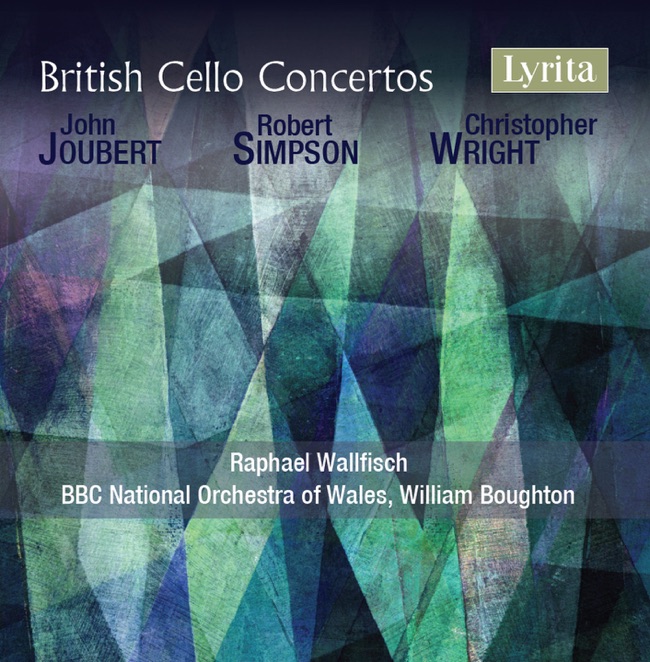
Choral
-
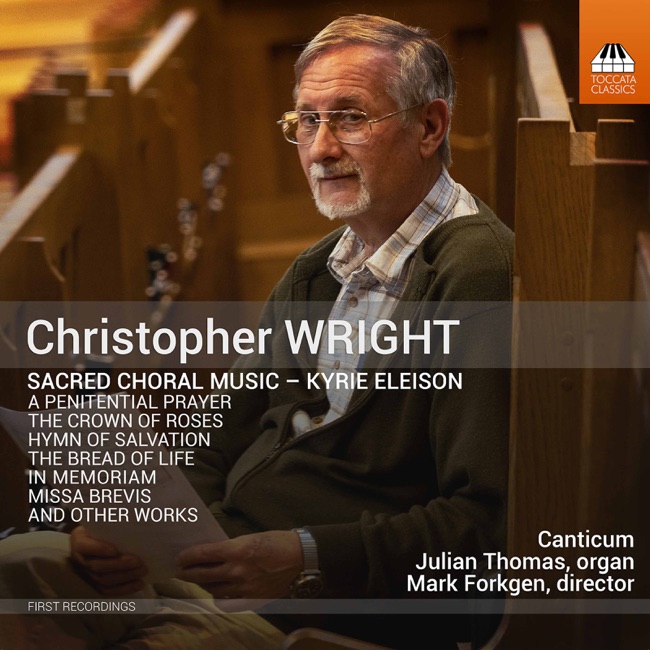 August 7, 2020
 -
 December 6, 2019
Artist Info
Role:Composer Conductor PerformerBirth:April 30, 1954 in Ipswich, Suffolk, EnglandPeriod:ContemporaryGenre:ChoralChristopher Wright was a British composer born on May 22, 1944, in London, England. He was the son of a music teacher and grew up in a musical family. His father was a pianist and his mother was a singer, and they both encouraged him to pursue a career in music. Wright began his musical education at an early age, studying piano and composition with his father. He later attended the Royal Academy of Music in London, where he studied composition with Alan Bush and piano with Harold Craxton. He also studied at the University of Oxford, where he earned a degree in music. Wright's early compositions were influenced by the avant-garde music of the 1960s, particularly the works of Pierre Boulez and Karlheinz Stockhausen. He was also interested in the music of the Baroque period, and his compositions often combined elements of both styles. One of Wright's early works, "Three Pieces for Piano," was premiered at the Wigmore Hall in London in 1966. The following year, he won the Royal Philharmonic Society Composition Prize for his "String Quartet No. 1." This early success helped establish Wright as a promising young composer. In the 1970s, Wright's music began to evolve, incorporating more tonal elements and a greater sense of melody. He also began to experiment with different forms, including opera and ballet. One of his most successful works from this period was the ballet "The Snow Queen," which was premiered by the Royal Ballet in 1977. Wright's music continued to evolve throughout the 1980s and 1990s, as he explored new forms and styles. He was particularly interested in the music of the Renaissance and Baroque periods, and his compositions often incorporated elements of these styles. One of Wright's most ambitious works was the opera "The Journey," which was premiered at the Royal Opera House in London in 1990. The opera tells the story of a man's spiritual journey, and features a complex score that incorporates elements of both modern and ancient music. Wright's later works included a number of choral pieces, including "The Lord is My Shepherd" and "Ave Verum Corpus." He also composed a number of works for solo piano, including "Piano Sonata No. 2" and "Piano Concerto No. 2." Throughout his career, Wright was known for his innovative approach to composition, as well as his ability to combine different styles and forms. He was also a respected teacher, and taught composition at the Royal Academy of Music for many years. Wright's contributions to classical music were recognized with a number of awards and honors. In 1994, he was awarded the Ivor Novello Award for Classical Music, and in 2002 he was made a Fellow of the Royal Academy of Music. Christopher Wright passed away on January 11, 2005, at the age of 60. His legacy as a composer and teacher continues to inspire new generations of musicians, and his innovative approach to composition remains an important part of the classical music canon.More....
Recent Artist Music
2
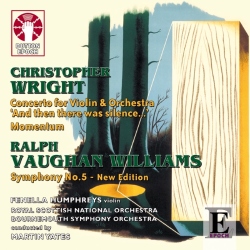
Violin Concerto ("And then there was silence")
1. Larghetto molto espressivo - Presipitoso - Larghetto
11:11

Copyright Ⓒ 2013 Davinci Finger. All rights reseved
Service Terms & Policy