


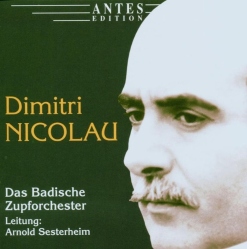
Dimitri Nicolau
Released Album
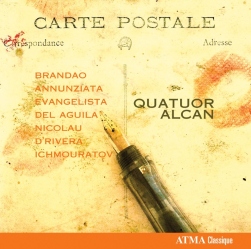
Chamber
-
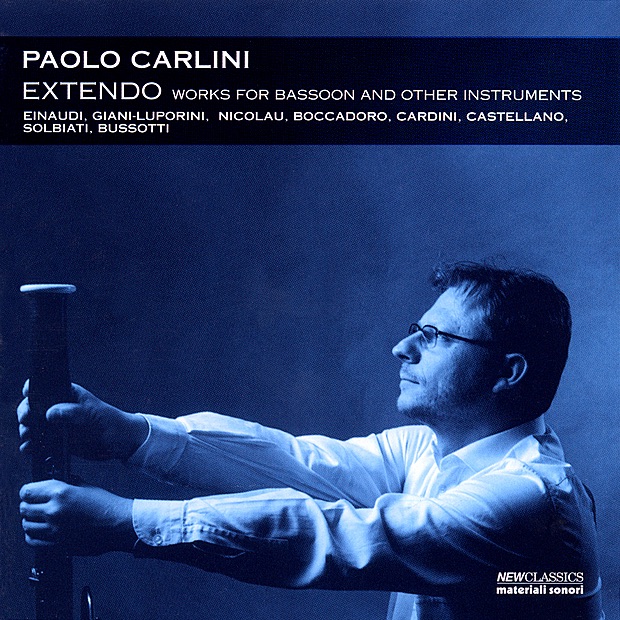
 September 30, 2016
 -
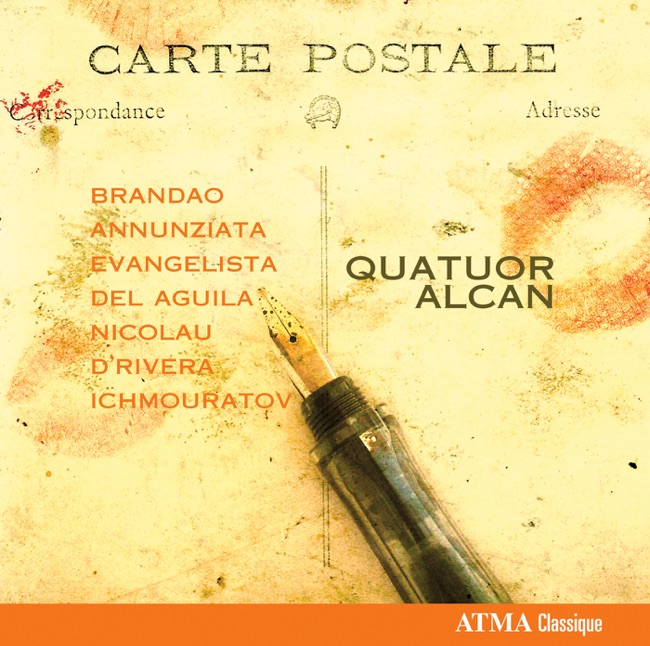
 November 1, 2012
 -
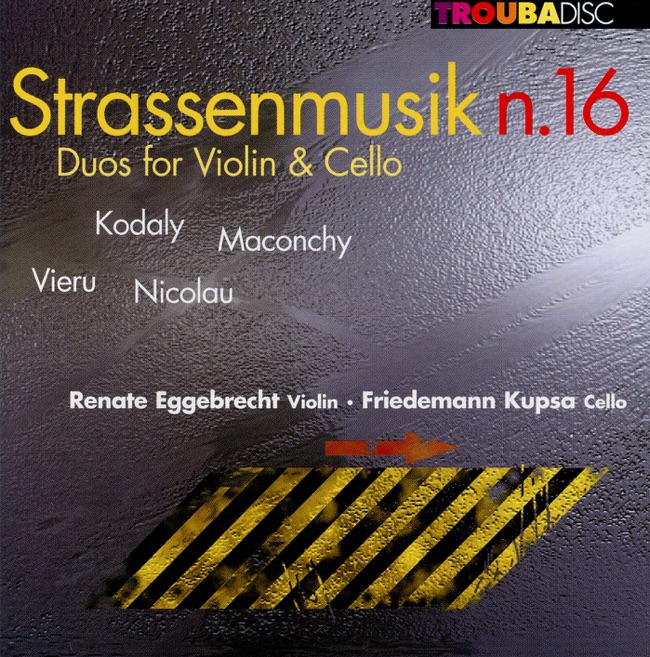
 October 25, 2011
 -
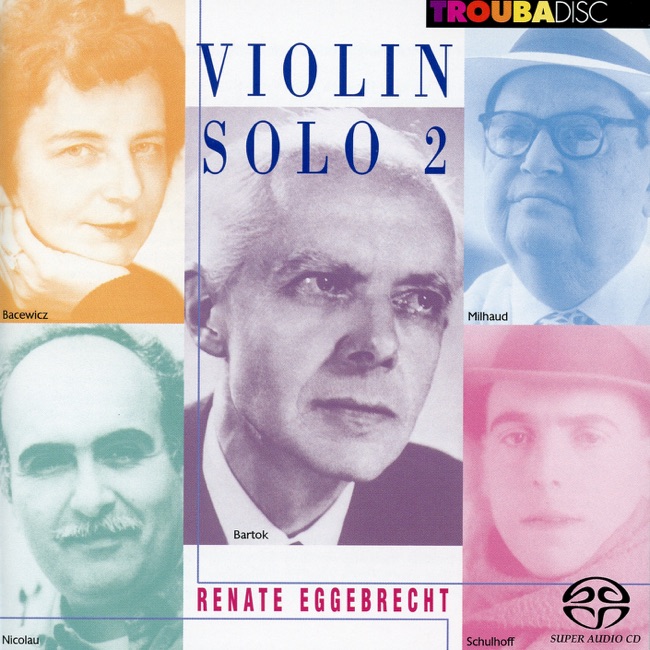
 August 22, 2000
Orchestral
-
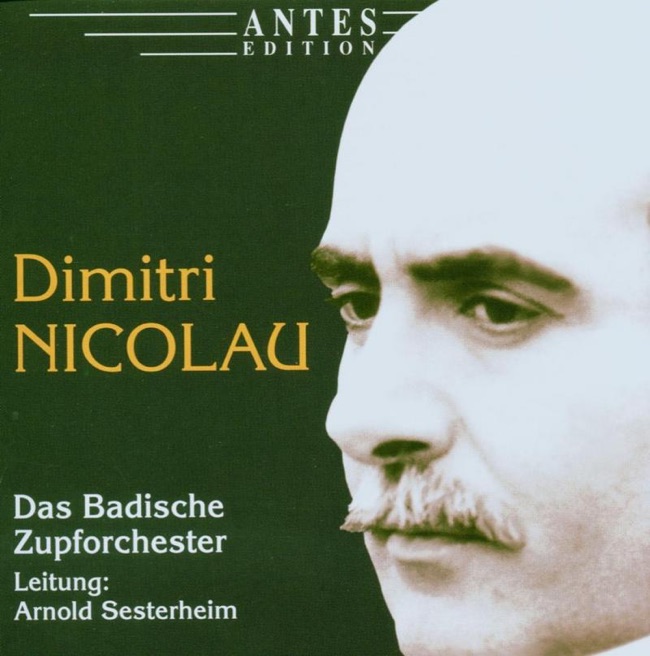 August 19, 2008
Artist Info
Role:ComposerBirth:1946Death:2008Period:ContemporaryGenre:ChamberDimitri Nicolau was a classical music composer born on May 15, 1920, in Athens, Greece. He was the son of a Greek father and a French mother, and his family moved to Paris when he was a child. Nicolau showed an early interest in music and began studying piano at the age of six. He later studied composition with Nadia Boulanger, one of the most influential music teachers of the 20th century. Nicolau's early compositions were influenced by the neoclassical style of Stravinsky and the French impressionists. He also drew inspiration from Greek folk music and mythology, which he incorporated into his works. In 1940, Nicolau's family fled Paris due to the German occupation, and he continued his studies in Algiers. He returned to Paris after the war and began to establish himself as a composer. One of Nicolau's early successes was his ballet "Le Roi des Aulnes" (The Erlking), which was premiered in 1950 by the Ballets de Paris. The ballet was based on the poem by Goethe and featured a score that combined elements of neoclassicism and folk music. The ballet was well-received and helped to establish Nicolau's reputation as a composer. Nicolau continued to compose ballets throughout his career, including "La Belle et la Bête" (Beauty and the Beast) in 1951 and "Le Petit Prince" (The Little Prince) in 1960. He also wrote music for films, including "Les Amants de Montparnasse" (Montparnasse 19) in 1958 and "Le Joli Mai" in 1963. In addition to his ballets and film scores, Nicolau composed a number of orchestral works, including his Symphony No. 1, which was premiered in 1954. The symphony was influenced by the music of Beethoven and Brahms and featured a lyrical and expressive style. Nicolau's Symphony No. 2, which was premiered in 1962, was more experimental and featured a complex and dissonant score. Nicolau also wrote a number of chamber works, including his String Quartet No. 1, which was premiered in 1956. The quartet was influenced by the music of Bartok and featured a rhythmic and percussive style. Nicolau's String Quartet No. 2, which was premiered in 1964, was more introspective and featured a more lyrical and expressive style. Throughout his career, Nicolau was known for his ability to combine different musical styles and influences into his works. He was also known for his use of unconventional instruments, such as the harpsichord and the mandolin, in his orchestral works. Nicolau's music was often described as colorful and imaginative, and he was considered one of the leading composers of his generation. Nicolau continued to compose until his death on December 22, 2001, in Paris. His legacy as a composer continues to be celebrated, and his works are still performed and recorded today. Nicolau's contributions to the world of classical music have left a lasting impact, and his innovative and imaginative style continues to inspire new generations of composers.More....
Copyright Ⓒ 2013 Davinci Finger. All rights reseved
Service Terms & Policy