


Xiao-song Qu
Released Album
Keyboard
-
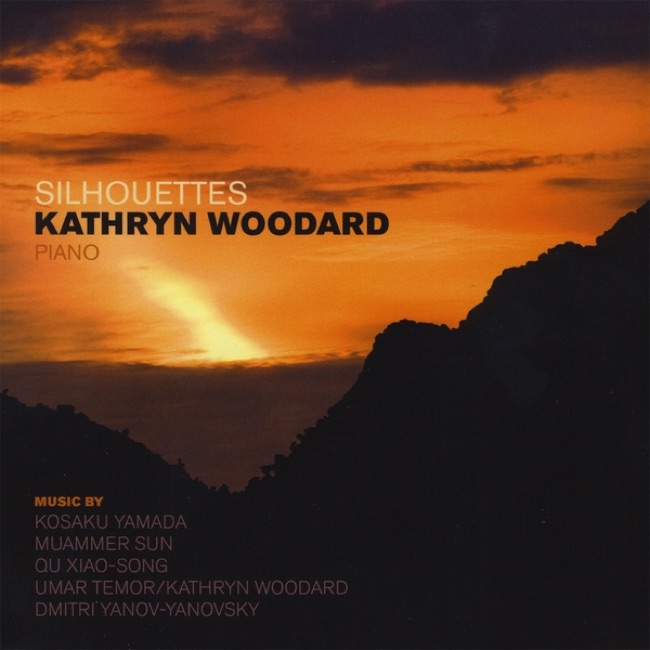 October 15, 2008
Concerto
-
 December 9, 2014
Chamber
-
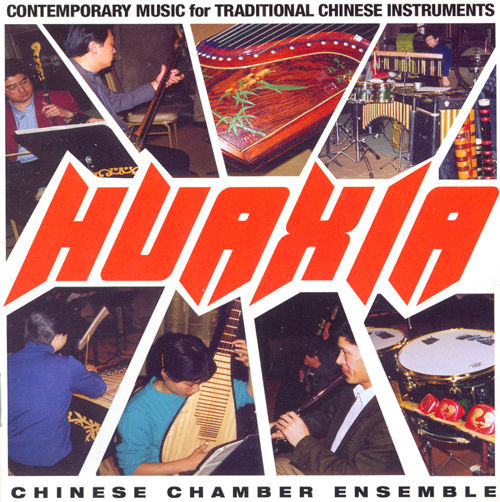 September 14, 2004
Artist Info
Role:ComposerBirth:1952Period:ContemporaryGenre:VocalXiao-song Qu is a Chinese-born composer who has made a significant impact on the world of classical music. Born in 1952 in Shanghai, Qu began his musical journey at a young age, studying piano and composition at the Shanghai Conservatory of Music. He later went on to study at the Central Conservatory of Music in Beijing, where he was mentored by some of China's most prominent composers. Qu's early works were heavily influenced by traditional Chinese music, and he often incorporated elements of folk music into his compositions. His first major work, "The Song of the Earth," was written in 1983 and was inspired by the poetry of Li Bai, a famous Chinese poet from the Tang dynasty. The piece was well-received and helped establish Qu as a rising star in the world of classical music. Throughout the 1980s and 1990s, Qu continued to compose works that blended traditional Chinese music with Western classical music. His compositions often featured unique instrumentation, such as the use of the pipa (a traditional Chinese stringed instrument) in his piece "Pipa Concerto." Qu's music was praised for its innovative approach to blending different musical traditions and for its ability to evoke a sense of cultural identity. In 1999, Qu moved to the United States to teach at the University of Missouri-Kansas City Conservatory of Music and Dance. He continued to compose during this time, and his works began to incorporate more Western classical music influences. His piece "Symphony No. 2" was premiered by the Kansas City Symphony in 2005 and was praised for its use of orchestration and its ability to blend different musical styles. Qu's later works continued to explore the intersection of different musical traditions. His piece "The Goddess of the Luo River" was inspired by a Chinese legend and featured a blend of Western classical music and traditional Chinese music. The piece was premiered by the China National Symphony Orchestra in 2010 and was well-received by audiences and critics alike. Throughout his career, Qu has received numerous awards and honors for his contributions to classical music. He was awarded the National Prize for the Arts in China in 1994 and was named a Fellow of the American Academy of Arts and Sciences in 2012. His music has been performed by orchestras around the world, including the New York Philharmonic, the London Symphony Orchestra, and the Berlin Philharmonic. In addition to his work as a composer, Qu has also been a dedicated teacher and mentor to young musicians. He has taught at several universities in the United States and China and has helped to train a new generation of composers and performers. Overall, Xiao-song Qu's contributions to classical music have been significant and far-reaching. His innovative approach to blending different musical traditions has helped to expand the boundaries of classical music and has inspired countless musicians and composers around the world.More....
Copyright Ⓒ 2013 Davinci Finger. All rights reseved
Service Terms & Policy