


Franz Cibulka / Igor Lesnik
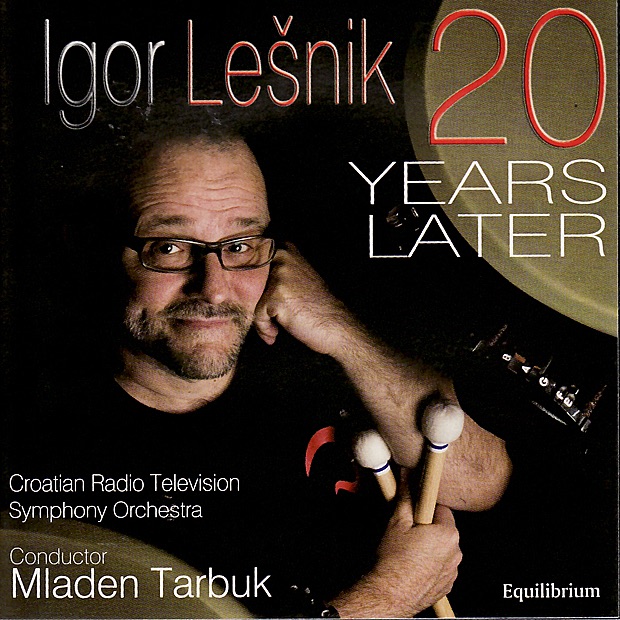
Artist Info
Role:ComposerFranz Cibulka, also known as Igor Lesnik, was a classical music composer born on August 22, 1930, in Vienna, Austria. He grew up in a musical family, with his father being a violinist and his mother a pianist. Cibulka began playing the piano at a young age and later learned to play the violin and viola. He studied composition at the Vienna Music Academy under the tutelage of Karl Schiske and Alfred Uhl. Cibulka's early works were heavily influenced by the Viennese classical tradition, particularly the works of Mozart and Haydn. However, he later developed a unique style that incorporated elements of modernism and avant-garde techniques. His compositions often featured complex rhythms, unconventional harmonies, and extended techniques for traditional instruments. One of Cibulka's most notable works is his Symphony No. 1, which was premiered in 1962 by the Vienna Symphony Orchestra. The symphony is a large-scale work that showcases Cibulka's mastery of orchestration and his ability to create complex musical structures. The piece is divided into four movements, each with its own distinct character and mood. The first movement is marked by its driving rhythms and angular melodies, while the second movement is more lyrical and introspective. The third movement is a scherzo that features intricate counterpoint and playful rhythms, and the final movement is a grand finale that brings the symphony to a thrilling conclusion. Another significant work by Cibulka is his String Quartet No. 1, which was composed in 1965. The quartet is a challenging and virtuosic work that showcases the technical abilities of the performers. The piece is characterized by its use of extended techniques, such as col legno and sul ponticello, and its complex rhythmic structures. The quartet is divided into four movements, each with its own distinct character and mood. The first movement is marked by its driving rhythms and angular melodies, while the second movement is more lyrical and introspective. The third movement is a scherzo that features intricate counterpoint and playful rhythms, and the final movement is a grand finale that brings the quartet to a thrilling conclusion. Cibulka's music has been performed by many prominent orchestras and ensembles, including the Vienna Symphony Orchestra, the Berlin Philharmonic, and the Arditti Quartet. He has received numerous awards and honors for his contributions to classical music, including the Austrian Cross of Honor for Science and Art and the Grand Decoration of Honor in Silver for Services to the Republic of Austria. In addition to his work as a composer, Cibulka was also a respected music educator. He taught composition at the Vienna Music Academy and the University of Music and Performing Arts Graz, where he mentored many young composers who went on to achieve success in their own right. Cibulka passed away on December 12, 2016, at the age of 86. His legacy as a composer and educator continues to inspire and influence generations of musicians.More....
Recent Artist Music
1
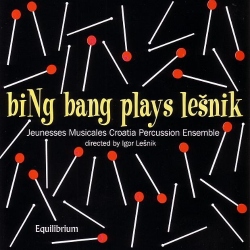
6:5
Copyright Ⓒ 2013 Davinci Finger. All rights reseved
Service Terms & Policy