


Carlo Graziani
Released Album
Chamber
-
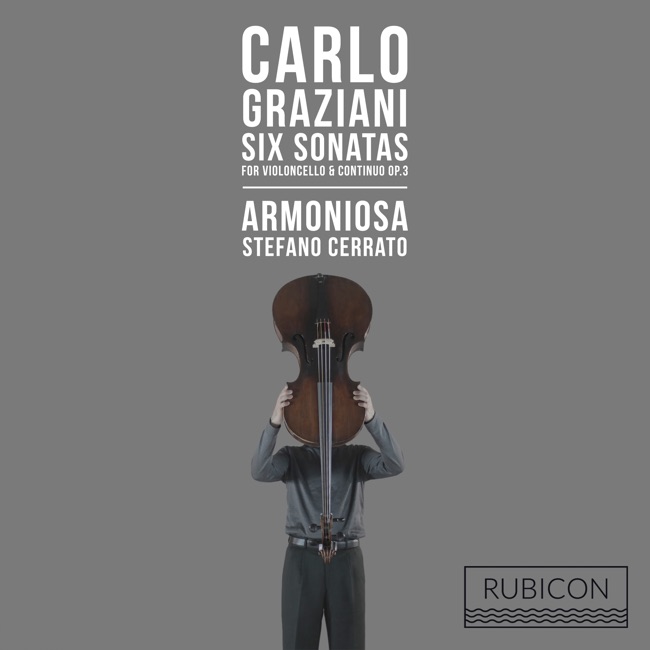 November 3, 2017
 -
-
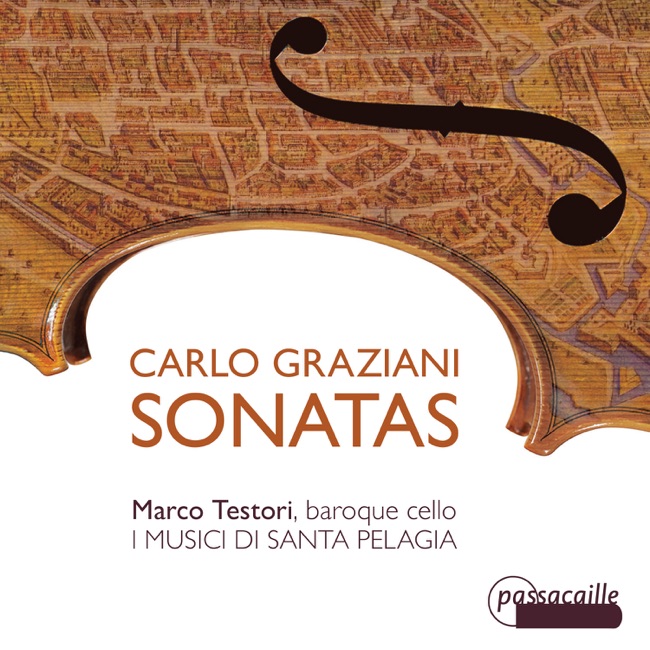 August 26, 2014
 -
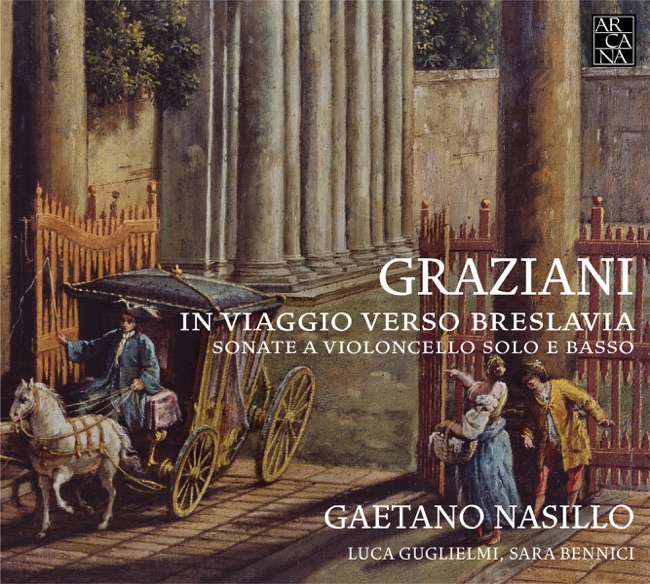 May 10, 2011
 -
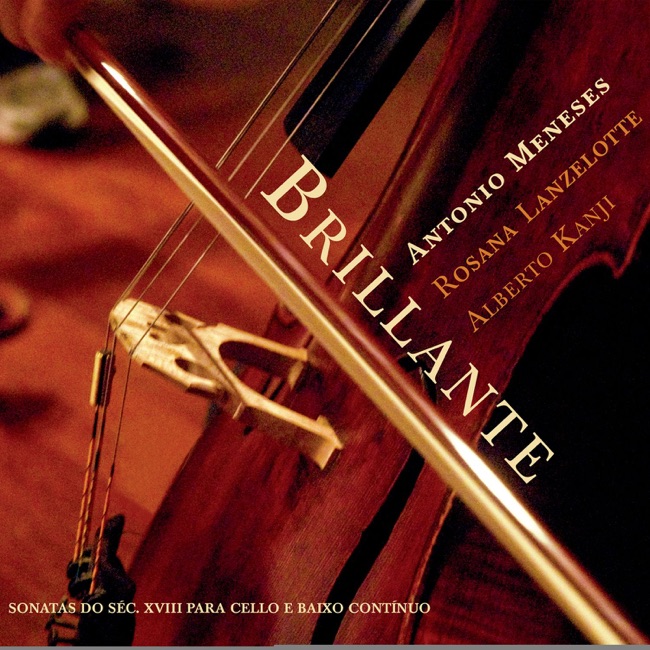 2009
2009
Concerto
-
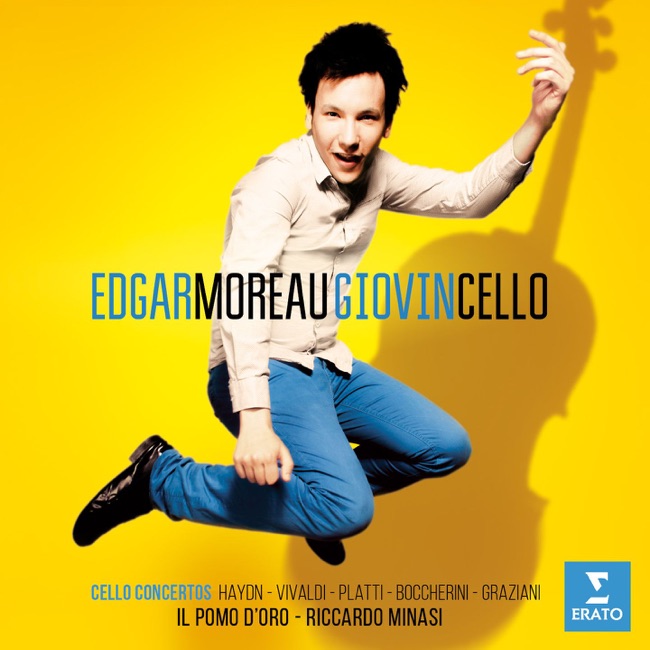 November 13, 2015
Artist Info
Role:ComposerCountry: ItalyBirth:ca. 1710Death:1787Period:BaroqueGenre:ChamberOrchestralCarlo Graziani was an Italian composer and violinist who lived during the 18th century. He was born in Asti, Italy, on December 4, 1714, and was the son of a musician. Graziani's father was a violinist and a member of the orchestra at the Cathedral of Asti. It was under his father's tutelage that Graziani began his musical education. Graziani's talent as a violinist was evident from a young age, and he quickly became known for his virtuosic playing. He began performing in public at the age of 12 and soon gained a reputation as one of the most talented young musicians in Italy. In 1730, at the age of 16, Graziani moved to Turin to study with the renowned violinist Giovanni Battista Somis. Somis was a pupil of the famous composer Arcangelo Corelli, and his teaching had a profound influence on Graziani's musical style. After completing his studies with Somis, Graziani began his career as a professional musician. He performed in various cities throughout Italy, including Milan, Venice, and Rome. In 1741, he was appointed as the concertmaster of the orchestra at the Basilica of San Giovanni in Laterano in Rome. This position allowed him to compose and perform his own music, and he quickly gained a following for his innovative and expressive compositions. Graziani's music was characterized by its virtuosic violin writing and its use of counterpoint and harmonic complexity. His compositions were influenced by the works of Corelli and other Baroque composers, but he also incorporated elements of the emerging Classical style. His music was highly regarded by his contemporaries, and he was considered one of the leading composers of his time. One of Graziani's most famous works is his Violin Sonata in D major, Op. 1, No. 10. This sonata is a prime example of Graziani's virtuosic violin writing and his use of counterpoint. The sonata is in four movements, and each movement showcases Graziani's skill as a composer and a violinist. The first movement is a lively and energetic Allegro, while the second movement is a slow and expressive Adagio. The third movement is a playful and dance-like Minuet, and the final movement is a fast and virtuosic Allegro. Another notable work by Graziani is his Concerto for Violin and Orchestra in E flat major, Op. 2, No. 2. This concerto is a showcase for Graziani's virtuosic violin writing and his use of counterpoint and harmonic complexity. The concerto is in three movements, and each movement highlights Graziani's skill as a composer and a violinist. The first movement is a lively and energetic Allegro, while the second movement is a slow and expressive Adagio. The final movement is a fast and virtuosic Allegro. Graziani's music was highly regarded during his lifetime, and he was considered one of the leading composers of his time. His influence can be seen in the works of later composers, including Wolfgang Amadeus Mozart and Ludwig van Beethoven. Despite his success as a composer and a violinist, Graziani's life was not without its challenges. He suffered from poor health throughout his life and was often in financial difficulties. He died in Rome on November 14, 1787, at the age of 72. In conclusion, Carlo Graziani was a highly talented composer and violinist who lived during the 18th century. He was born into a musical family and began his musical education under the tutelage of his father.More....
Recent Artist Music

4
5:12
Copyright Ⓒ 2013 Davinci Finger. All rights reseved
Service Terms & Policy