


Lukas Osiander
Released Album
Choral
-
 August 6, 2021
 -
-
 September 30, 2002
Miscellaneous
-
 January 27, 2014
Vocal
-
 October 14, 2016
Artist Info
Role:ComposerBirth:1534Death:1604Genre:ChoralLukas Osiander was a German composer of classical music who lived from 1611 to 1671. He was born in Stuttgart, Germany, into a family of musicians. His father, Andreas Osiander, was a composer and organist, and his grandfather, Lukas Osiander the Elder, was a prominent theologian and hymn writer. Lukas Osiander showed an early interest in music and began studying the organ and composition with his father at a young age. He also received a thorough education in theology and philosophy, which would later influence his musical compositions. In 1630, Osiander moved to Tübingen to study at the university there. He continued his musical studies with Johann Staden, a prominent composer and organist. During this time, Osiander began to develop his own unique style of composition, which blended elements of the German Baroque with Italianate influences. After completing his studies, Osiander returned to Stuttgart and began working as an organist and composer. He quickly gained a reputation as a skilled musician and was appointed court organist to the Duke of Württemberg in 1637. Osiander's compositions during this period were primarily vocal works, including sacred choral music and secular songs. His most famous work from this time is his collection of sacred songs, "Geistliche Lieder," which was published in 1641. This collection includes some of Osiander's most beautiful and expressive music, including the hauntingly beautiful "O Haupt voll Blut und Wunden." In 1642, Osiander was appointed court Kapellmeister, or music director, a position he held for the rest of his life. In this role, he was responsible for overseeing the music at the court and composing music for special occasions and events. Osiander's compositions during this period continued to be primarily vocal works, although he also wrote instrumental music for the court orchestra. His music was highly regarded for its expressive melodies, rich harmonies, and intricate counterpoint. One of Osiander's most famous works from this period is his "Passion According to St. John," which was first performed in 1650. This work is a setting of the Gospel of John's account of the crucifixion of Jesus Christ, and is considered one of the most beautiful and moving musical settings of the Passion story. Osiander's music was also highly regarded outside of the court, and he was frequently commissioned to write music for churches and other institutions. One of his most famous works from this period is his "Te Deum," which was written for the dedication of the new organ at the Stiftskirche in Stuttgart in 1663. Osiander continued to compose music until his death in 1671. His music had a profound influence on the development of German Baroque music, and his legacy can be heard in the works of later composers such as Johann Sebastian Bach. In conclusion, Lukas Osiander was a highly skilled and influential composer of classical music who lived during the Baroque period. His music was characterized by expressive melodies, rich harmonies, and intricate counterpoint, and he was highly regarded for his vocal works, including sacred choral music and secular songs. His most famous works include his collection of sacred songs, "Geistliche Lieder," his "Passion According to St. John," and his "Te Deum." Osiander's legacy can be heard in the works of later composers, and his contributions to the development of German Baroque music continue to be celebrated today.More....
Recent Artist Music
1
3:2
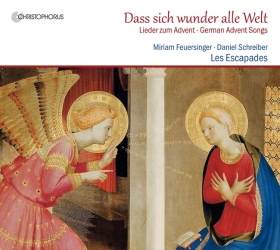
5
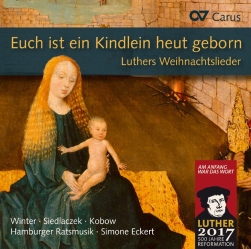
Now come the savior of the heathen
Nun komm der Heiden Heiland / Er ging aus der Kammer sein à 5
50
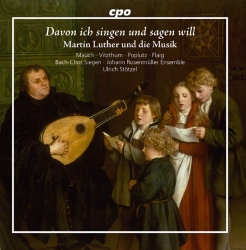
7
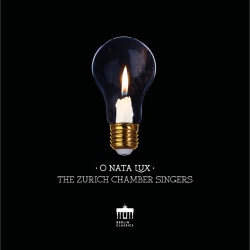
Now come the savior of the heathen
Nun komm, der Heiden Heiland (from Fuenfftzig Geistliche Lieder und Psalmen, 1586)
3:9
Copyright Ⓒ 2013 Davinci Finger. All rights reseved
Service Terms & Policy