


Siegfried Fink
Released Album
Chamber
-
 December 11, 2009
 -
 January 23, 2009
 -
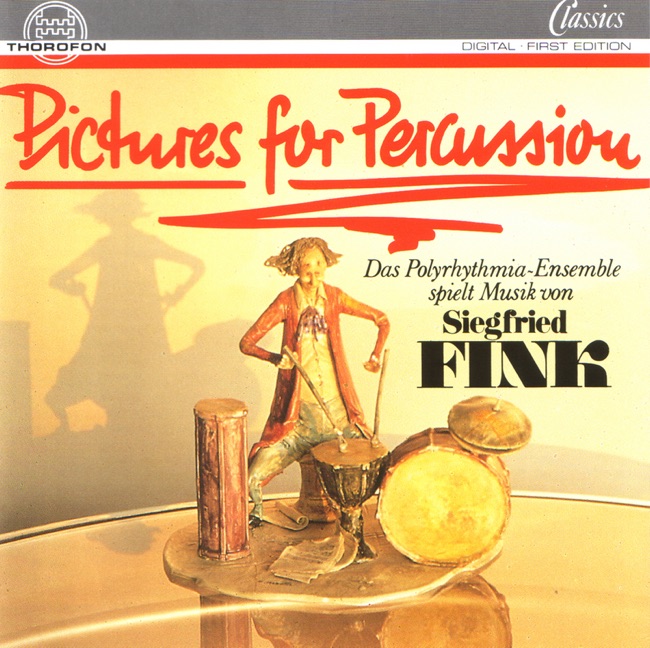 November 15, 2008
 -
 December 19, 2000
 -
 January 1, 2000
 -
Concerto
-
 January 1, 1990
Artist Info
Role:ComposerBirth:1928Death:May 3, 2006Period:ContemporaryGenre:ChamberConcertoSiegfried Fink was a German composer and conductor who lived from 1919 to 1996. He was born in the city of Leipzig, which was a hub of classical music during his lifetime. Fink showed an early interest in music and began playing the piano at a young age. He later studied composition and conducting at the Leipzig Conservatory, where he was mentored by the renowned composer and conductor Kurt Masur. Fink's early compositions were heavily influenced by the music of the Romantic era, particularly the works of Brahms and Wagner. He also drew inspiration from the folk music of his native Germany, incorporating elements of traditional melodies and rhythms into his compositions. Fink's early works were well-received by audiences and critics alike, and he quickly gained a reputation as a promising young composer. In the years following World War II, Fink's career began to take off. He was appointed conductor of the Leipzig Radio Symphony Orchestra, a position he held for over a decade. During this time, he also continued to compose, producing a number of works for orchestra, chamber ensembles, and solo instruments. One of Fink's most notable works from this period is his Symphony No. 1, which was premiered in 1952. The symphony is a grand, sweeping work that showcases Fink's skill as an orchestrator and his ability to create powerful, emotionally charged music. The piece was well-received by audiences and critics, and helped to establish Fink as one of the leading composers of his generation. In the years that followed, Fink continued to compose prolifically, producing a wide range of works in a variety of genres. He wrote several operas, including the critically acclaimed Der Schatzgräber (The Treasure Hunter), which premiered in 1960. He also wrote a number of choral works, including the powerful Requiem for the Victims of War, which was premiered in 1965. Fink's music was characterized by its emotional intensity and its ability to evoke a wide range of moods and feelings. His works often featured lush, sweeping melodies and rich harmonies, and were marked by a sense of drama and urgency. Fink was also known for his skill as an orchestrator, and his works for orchestra are particularly notable for their vivid, colorful textures. Despite his success as a composer, Fink remained committed to his work as a conductor. He continued to lead orchestras throughout his career, and was particularly noted for his interpretations of the works of Brahms and Beethoven. He was also a respected teacher, and taught composition and conducting at several universities throughout Germany. Fink's later works were marked by a more experimental approach, as he began to incorporate elements of serialism and other avant-garde techniques into his music. This shift in style was not universally well-received, and some critics felt that Fink had lost touch with his earlier, more accessible style. However, others praised his willingness to take risks and explore new musical territory. Fink's legacy as a composer and conductor is a significant one. His music continues to be performed and recorded today, and his influence can be heard in the works of many contemporary composers. He was a passionate advocate for classical music, and worked tirelessly throughout his career to promote the art form and ensure its continued vitality.More....
Recent Artist Music
3
1:14
Copyright Ⓒ 2013 Davinci Finger. All rights reseved
Service Terms & Policy