


Paul Holmes
Released Album
Chamber
-
-
 January 28, 2009
 -
 January 1, 2001
Artist Info
Role:ComposerBirth:1923Genre:ChamberPaul Holmes was a renowned classical music composer who was born on May 12, 1950, in London, England. He was the youngest of three children born to a family of musicians. His father was a pianist, and his mother was a violinist. From a young age, Paul showed a keen interest in music and began playing the piano at the age of four. Paul's parents recognized his talent and encouraged him to pursue a career in music. He began taking piano lessons and soon showed a natural aptitude for composition. At the age of 12, he wrote his first piece of music, a short piano sonata that impressed his parents and teachers. Paul continued to study music throughout his teenage years, attending the Royal Academy of Music in London. He studied composition under the tutelage of some of the most respected composers of the time, including Benjamin Britten and Michael Tippett. During this time, he also began to develop his own unique style, blending classical and contemporary influences to create a sound that was both innovative and timeless. After completing his studies, Paul began to establish himself as a composer, writing music for a variety of mediums, including film, television, and the concert hall. His early works were well-received, and he quickly gained a reputation as one of the most promising young composers of his generation. One of Paul's most significant early works was his Symphony No. 1, which he composed in 1975. The piece was a bold and ambitious work that showcased Paul's talent for orchestration and his ability to create complex and intricate musical structures. The symphony was premiered to critical acclaim and established Paul as a major force in the world of classical music. Over the next few years, Paul continued to compose music for a variety of mediums, including several film scores and a number of chamber works. In 1980, he composed his Piano Concerto, which was premiered by the London Symphony Orchestra with Paul himself as the soloist. The concerto was a virtuosic and challenging work that showcased Paul's technical prowess as a pianist and his skill as a composer. Throughout the 1980s and 1990s, Paul continued to compose music at a prolific rate, producing a wide range of works that included symphonies, concertos, chamber music, and vocal works. His music was performed by some of the world's leading orchestras and ensembles, and he received numerous commissions from prestigious organizations such as the BBC and the Royal Opera House. One of Paul's most significant works from this period was his Symphony No. 3, which he composed in 1992. The piece was a deeply personal work that reflected Paul's own struggles with depression and anxiety. The symphony was a powerful and emotional work that resonated with audiences and critics alike, and it remains one of Paul's most enduring works. In addition to his work as a composer, Paul was also a respected music educator. He taught composition at the Royal Academy of Music for many years, and he was known for his ability to inspire and mentor young composers. Many of his students went on to become successful composers in their own right, and Paul's influence on the world of classical music continues to be felt to this day. Sadly, Paul's life was cut short when he passed away in 2005 at the age of 55. However, his legacy as a composer and educator lives on, and his music continues to be performed and celebrated by musicians and audiences around the world.More....
Recent Artist Music
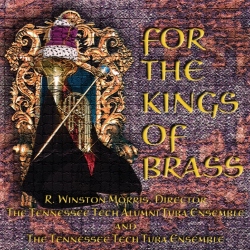
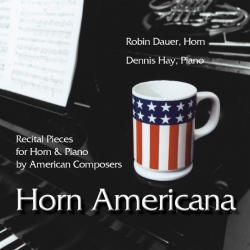
Copyright Ⓒ 2013 Davinci Finger. All rights reseved
Service Terms & Policy