


Ludvig Irgens-Jensen
Released Album
Vocal
-
 March 22, 2024
 -
 August 14, 2012
 -
 December 30, 2003
Orchestral
-
 January 7, 2013
Symphony
-
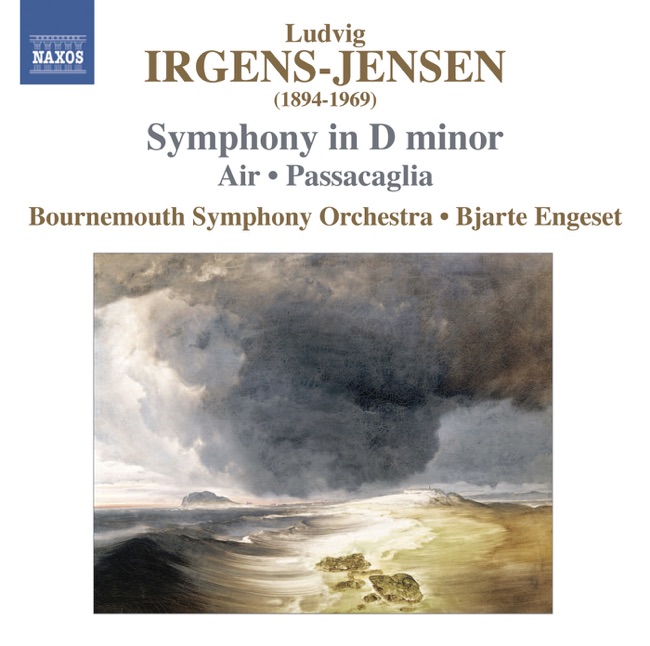 September 27, 2011
Chamber
-
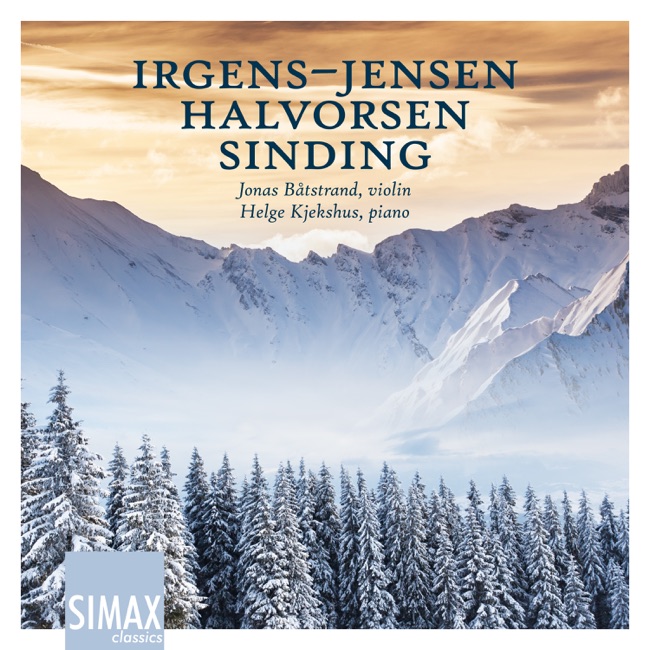 April 7, 2017
Artist Info
Role:ComposerBirth:April 13, 1894 in Christiania, NorwayDeath:April 11, 1969 in Sicily, ItalyPeriod:ModernGenre:ChoralOrchestralVocalLudvig Irgens-Jensen was a Norwegian composer who was born on May 13, 1894, in Bergen, Norway. He was the son of a music teacher and grew up in a musical family. His father, Christian Irgens-Jensen, was a composer and conductor, and his mother, Marie, was a pianist. Ludvig showed an early interest in music and began playing the piano at the age of six. In 1912, Irgens-Jensen moved to Oslo to study music at the Oslo Conservatory. He studied composition with Catharinus Elling and piano with Erika Nissen. He also studied conducting with Johan Halvorsen. During his time at the conservatory, Irgens-Jensen became interested in the music of Jean Sibelius and Richard Strauss, which would later influence his own compositions. After completing his studies in 1916, Irgens-Jensen worked as a music teacher and conductor in various towns in Norway. In 1921, he became the conductor of the Bergen Philharmonic Orchestra, a position he held until 1923. During this time, he also continued to compose music. Irgens-Jensen's early compositions were influenced by the Romantic style of music, but he later developed his own unique style. His music was characterized by its use of Norwegian folk music and its incorporation of elements of modernism. He was also known for his use of orchestration and his ability to create vivid musical images. One of Irgens-Jensen's most famous works is his Symphony No. 2, Op. 39, which he composed between 1941 and 1944. The symphony is often referred to as the "Himmelstormeren" or "Stormer of Heaven" because of its powerful and dramatic nature. The symphony was inspired by the German occupation of Norway during World War II and reflects the composer's feelings of anger and frustration at the situation. The symphony was premiered in Oslo in 1945 and was well-received by audiences and critics alike. Another notable work by Irgens-Jensen is his Piano Concerto, Op. 20, which he composed in 1926. The concerto is characterized by its use of Norwegian folk music and its virtuosic piano writing. The concerto was premiered in Oslo in 1927 and was performed by the composer himself. Irgens-Jensen also composed a number of vocal works, including his song cycle "Frost Eventyr" or "Frost Fairy Tales," which he composed in 1930. The song cycle is based on Norwegian folk tales and features Irgens-Jensen's use of orchestration and his ability to create vivid musical images. In addition to his work as a composer, Irgens-Jensen was also a respected music educator. He taught at the Oslo Conservatory from 1923 to 1945 and was known for his dedication to his students. Many of his students went on to become successful musicians and composers in their own right. Irgens-Jensen continued to compose music throughout his life, but his output slowed down in his later years. He died on April 11, 1969, in Oslo, Norway, at the age of 74. In conclusion, Ludvig Irgens-Jensen was a Norwegian composer who was known for his use of Norwegian folk music and his incorporation of elements of modernism in his compositions. His Symphony No. 2, Op. 39, and his Piano Concerto, Op. 20, are among his most famous works. He was also a respected music educator who taught at the Oslo Conservatory for many years. Irgens-Jensen's contributions to Norwegian music have made him an important figure in the country's musical history.More....
Recent Artist Music
8
10:8



Copyright Ⓒ 2013 Davinci Finger. All rights reseved
Service Terms & Policy