


Conrad Beck
Released Album
Chamber
-
 November 18, 2014
 -
 October 20, 2011
 -
 May, 1995
 -
Keyboard
-
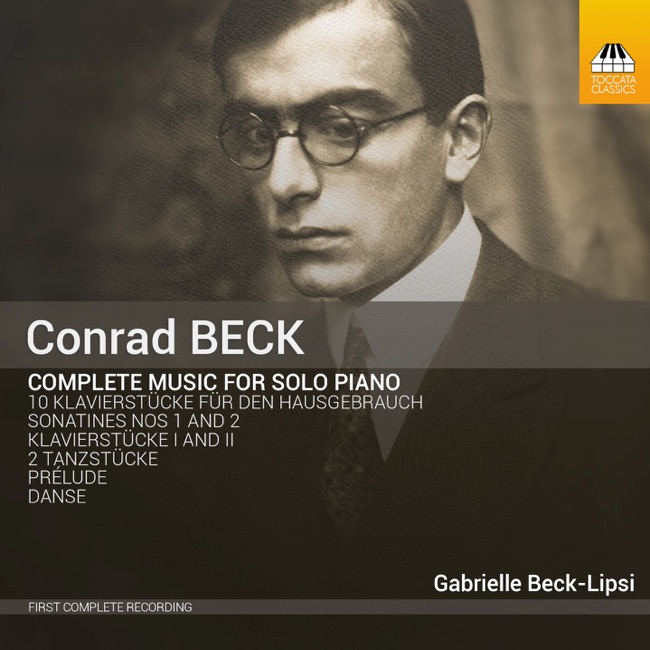 June 10, 2016
 -
 April 25, 2006
 -
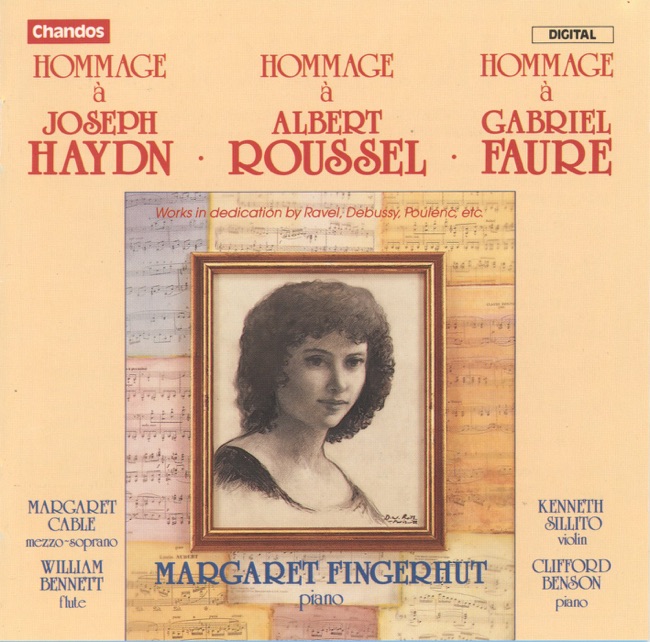 October 28, 1992
Artist Info
Role:ComposerCountry: SwitzerlandBirth:June 16, 1901 in Lohn, Schaffhausen, SwitzerlandDeath:October 31, 1989 in Basel, SwitzerlandPeriod:ModernGenre:ChamberKeyboardVocalConrad Beck was a Swiss composer who was born on June 26, 1901, in Basel, Switzerland. He was the son of a music teacher and grew up in a musical family. Beck began his musical education at a young age, studying piano and violin with his father. He later studied composition with Hans Huber at the Basel Conservatory. In 1921, Beck moved to Berlin to study with Arnold Schoenberg, who was a major influence on his music. Schoenberg's atonal and twelve-tone techniques had a significant impact on Beck's compositions. Beck also studied with Ferruccio Busoni and Paul Hindemith during his time in Berlin. Beck returned to Switzerland in 1925 and began teaching at the Basel Conservatory. He also became involved with the Swiss Society for Contemporary Music, which was dedicated to promoting new music in Switzerland. Beck's early compositions were influenced by Schoenberg's twelve-tone technique, but he later developed his own style, which incorporated elements of Swiss folk music. One of Beck's most significant works is his Symphony No. 2, which he composed in 1937. The symphony is a powerful and emotional work that reflects the political turmoil of the time. Beck was deeply affected by the rise of fascism in Europe and the persecution of Jews, and this is reflected in the music. The symphony is a testament to Beck's commitment to social justice and his belief in the power of music to inspire change. During World War II, Beck continued to compose and teach, despite the difficult circumstances. He was a member of the Swiss resistance and used his music to express his opposition to the Nazi regime. In 1943, he composed his String Quartet No. 3, which is dedicated to the memory of the victims of the Holocaust. After the war, Beck continued to compose and teach, and his music began to gain recognition outside of Switzerland. In 1952, he was awarded the Prix de Rome, which allowed him to spend a year in Rome studying and composing. He also received commissions from orchestras and ensembles in Europe and the United States. One of Beck's most famous works is his Concerto for Orchestra, which he composed in 1954. The concerto is a virtuosic showcase for the orchestra, with each section of the orchestra given a chance to shine. The work is characterized by its rhythmic energy and colorful orchestration. Beck's music is characterized by its emotional intensity and its commitment to social justice. He believed that music had the power to inspire change and to bring people together. His compositions are a testament to his belief in the transformative power of art. In addition to his work as a composer, Beck was also a respected teacher. He taught at the Basel Conservatory for many years and had a significant impact on the next generation of Swiss composers. His students included Klaus Huber, Heinz Holliger, and Rudolf Kelterborn. Conrad Beck died on May 31, 1989, in Muri, Switzerland. He left behind a legacy of powerful and emotionally charged music that continues to inspire audiences today. His commitment to social justice and his belief in the power of music to bring people together make him a unique and important figure in the history of classical music.More....

Copyright Ⓒ 2013 Davinci Finger. All rights reseved
Service Terms & Policy