


Yuri Sergeyevich Sakhnovsky
Released Album
Miscellaneous
-
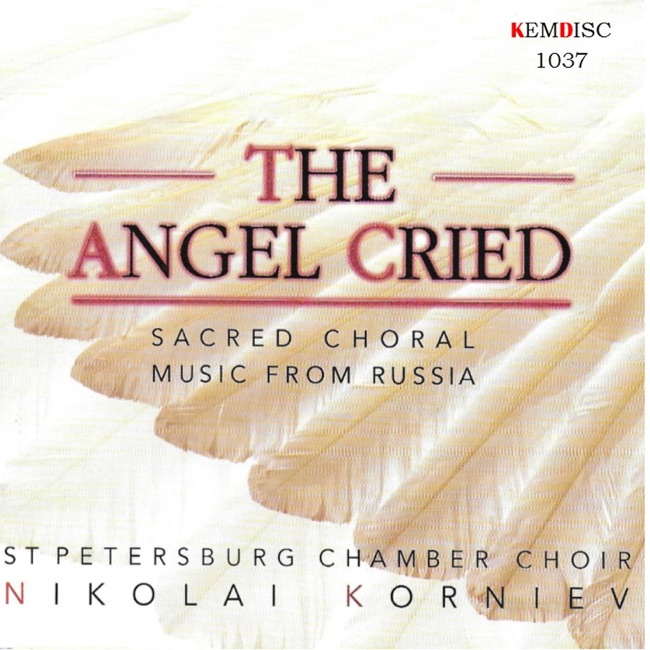 November 11, 1997
 -
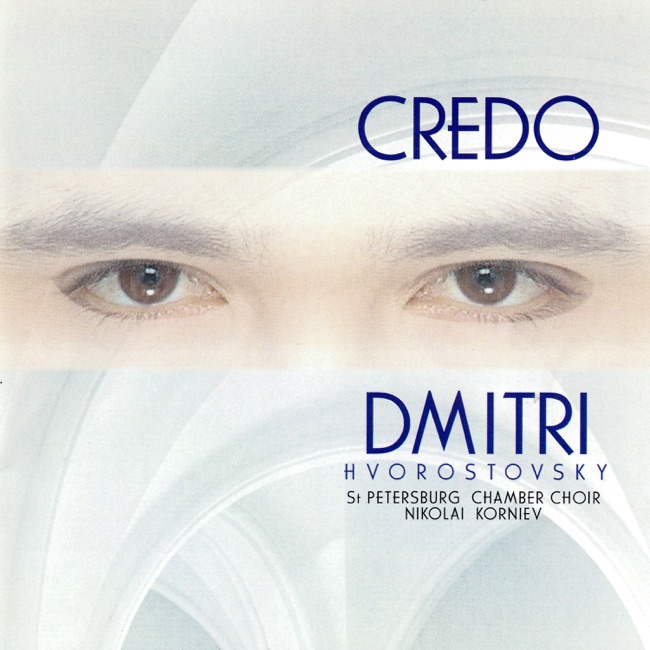 October 15, 1996
Artist Info
Role:ComposerYuri Sergeyevich Sakhnovsky was a renowned classical music composer who was born on December 22, 1930, in Moscow, Russia. He was born into a family of musicians, and his father, Sergey Sakhnovsky, was a well-known composer and conductor. Yuri's mother, Maria Sakhnovskaya, was a pianist, and his grandfather, Nikolai Sakhnovsky, was a famous opera singer. Yuri Sakhnovsky showed an early interest in music and began studying piano at the age of six. He later studied composition at the Moscow Conservatory, where he was a student of Dmitri Shostakovich. Sakhnovsky's early works were heavily influenced by Shostakovich's style, but he later developed his own unique voice. Sakhnovsky's early compositions were primarily chamber music, including string quartets, piano sonatas, and works for solo instruments. His first major work was his String Quartet No. 1, which was premiered in 1955. The piece was well-received and established Sakhnovsky as a promising young composer. In the 1960s, Sakhnovsky began to experiment with larger forms, including symphonies and operas. His Symphony No. 1, which premiered in 1963, was a critical success and established him as one of the leading composers of his generation. The symphony was characterized by its use of unconventional harmonies and rhythms, as well as its dramatic contrasts between loud and soft passages. Sakhnovsky's first opera, The Snow Maiden, premiered in 1968. The opera was based on a Russian fairy tale and was notable for its use of folk melodies and rhythms. The Snow Maiden was a commercial success and was later adapted into a ballet. Throughout the 1970s and 1980s, Sakhnovsky continued to compose symphonies, operas, and chamber music. His Symphony No. 2, which premiered in 1972, was a more introspective work than his first symphony, with a greater emphasis on melody and lyricism. His opera The Seagull, based on the play by Anton Chekhov, premiered in 1974 and was praised for its sensitive portrayal of the characters and its evocative use of orchestration. Sakhnovsky's Symphony No. 3, which premiered in 1980, was a more experimental work than his previous symphonies, with a greater emphasis on dissonance and atonality. The symphony was dedicated to the memory of his father, who had died the previous year. In the 1990s, Sakhnovsky continued to compose, despite suffering from health problems. His Symphony No. 4, which premiered in 1993, was a more optimistic work than his previous symphonies, with a greater emphasis on tonality and melody. His final opera, The Cherry Orchard, based on the play by Anton Chekhov, premiered in 1997 and was praised for its sensitive portrayal of the characters and its evocative use of orchestration. Yuri Sakhnovsky died on January 28, 1998, in Moscow, Russia. He was widely regarded as one of the leading composers of his generation and his works continue to be performed and recorded today. His music is characterized by its emotional depth, its use of unconventional harmonies and rhythms, and its evocative use of orchestration.More....
Recent Artist Music

Copyright Ⓒ 2013 Davinci Finger. All rights reseved
Service Terms & Policy