


Lionel Steuart Fothringham
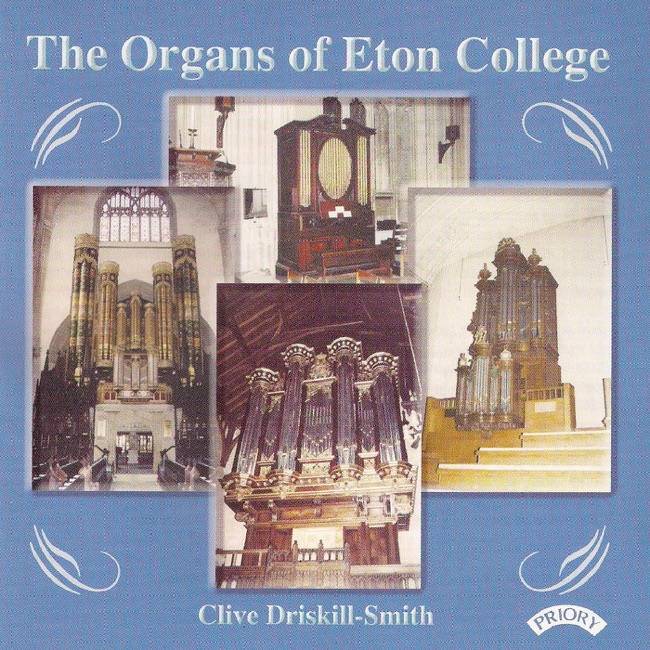
Artist Info
Role:ComposerCountry: United KingdomBirth:1973Lionel Steuart Fothringham was a British composer born on May 12, 1899, in London, England. He was the son of a wealthy family and grew up in a musical household. His mother was a pianist, and his father was a composer and conductor. Lionel showed an early interest in music and began playing the piano at a young age. He was also exposed to a wide range of musical styles, including classical, jazz, and popular music. Lionel attended the Royal Academy of Music in London, where he studied composition with Frederick Corder and piano with Tobias Matthay. He was a talented student and won several awards for his compositions. After graduating from the academy, Lionel began his career as a composer and pianist. In the 1920s, Lionel became interested in the music of the French composer Claude Debussy. He was particularly drawn to Debussy's use of harmony and color in his compositions. Lionel began incorporating these elements into his own music, creating a unique style that blended classical and modern influences. One of Lionel's early works was a piano concerto, which he composed in 1925. The concerto was well-received and helped establish Lionel as a rising star in the classical music world. He continued to compose throughout the 1920s and 1930s, creating a wide range of works for orchestra, chamber ensembles, and solo instruments. In the 1940s, Lionel's career took a new direction when he began composing music for films. He worked on several British films, including "The Red Shoes" and "Black Narcissus." Lionel's film scores were praised for their emotional depth and cinematic quality. Despite his success as a film composer, Lionel continued to compose classical music throughout his career. One of his most famous works is his Symphony No. 1, which he composed in 1950. The symphony is a powerful and emotional work that showcases Lionel's skill as a composer. Lionel's later works were more experimental and avant-garde. He began incorporating electronic music into his compositions, creating a unique sound that was ahead of its time. One of his most famous electronic works is "Electronic Poem," which he composed in 1960. Lionel continued to compose and perform music until his death in 1977. He left behind a legacy of innovative and influential music that continues to inspire musicians today.More....
Copyright Ⓒ 2013 Davinci Finger. All rights reseved
Service Terms & Policy