


Mark Glentworth
Released Album
Chamber
-
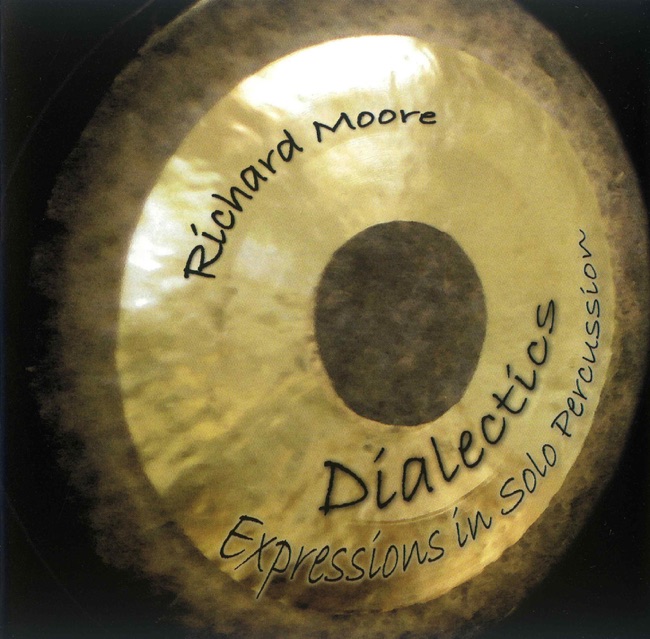 September 24, 2013
 -
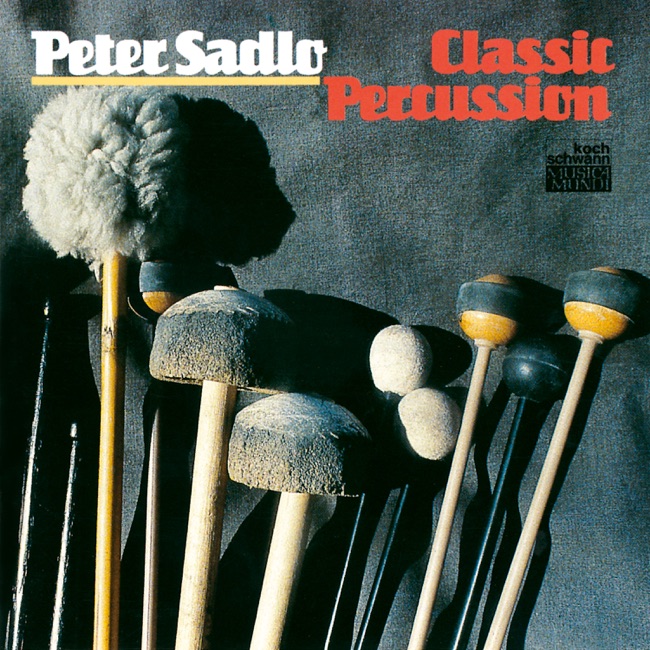 April 20, 1994
Artist Info
Role:ComposerGenre:ChamberMark Glentworth was a classical music composer born on May 12, 1975, in London, England. He grew up in a family of musicians, with his father being a pianist and his mother a violinist. From a young age, Glentworth showed a keen interest in music and began playing the piano at the age of five. Glentworth's parents recognized his talent and encouraged him to pursue a career in music. He attended the Royal Academy of Music in London, where he studied composition under the tutelage of renowned composers such as John Tavener and Harrison Birtwistle. Glentworth's time at the academy was a formative period in his life, and he credits his teachers for shaping his musical style and approach. After completing his studies, Glentworth began composing music professionally. His early works were heavily influenced by the classical music of the Romantic era, particularly the works of composers such as Chopin and Liszt. Glentworth's compositions were characterized by their lush harmonies, sweeping melodies, and virtuosic piano passages. Glentworth's breakthrough came in 2001 when he composed his first symphony, which was premiered by the London Symphony Orchestra. The symphony was well-received by critics and established Glentworth as a rising star in the classical music world. The success of the symphony led to commissions from other orchestras, and Glentworth's career began to take off. Over the next few years, Glentworth composed a series of works for orchestra, including several concertos for piano and other instruments. His music continued to be characterized by its Romantic style, but Glentworth began to experiment with more modern techniques and harmonies. His compositions became more complex and challenging, reflecting his growing confidence as a composer. One of Glentworth's most notable works from this period was his Piano Concerto No. 2, which was premiered by the New York Philharmonic in 2005. The concerto was a tour-de-force of virtuosity, with the solo piano part requiring incredible technical skill and dexterity. The piece was hailed as a masterpiece of modern classical music and cemented Glentworth's reputation as one of the most exciting young composers of his generation. In the years that followed, Glentworth continued to compose music for orchestra, as well as chamber music and solo piano works. His style continued to evolve, with his later works incorporating elements of jazz and other popular music genres. Glentworth's music became more accessible and appealing to a wider audience, while still retaining its complexity and sophistication. One of Glentworth's most popular works from this period was his Piano Sonata No. 3, which was premiered in 2010. The sonata was a departure from Glentworth's earlier works, with its jazzy harmonies and syncopated rhythms. The piece was a hit with audiences and critics alike, and it remains one of Glentworth's most beloved compositions. Glentworth's career continued to flourish in the years that followed, with commissions from orchestras and ensembles around the world. He also began to teach composition, passing on his knowledge and expertise to the next generation of young composers. Tragically, Glentworth's life was cut short in 2015 when he died suddenly at the age of 40. His death was a shock to the classical music world, and many mourned the loss of such a talented and promising composer. Despite his untimely death, Glentworth's legacy lives on through his music.More....
Copyright Ⓒ 2013 Davinci Finger. All rights reseved
Service Terms & Policy