


Björk Gudmundsdottir
Artist Info
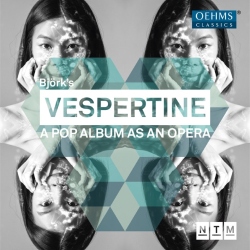
Role:ComposerCountry: IcelandBjörk Gudmundsdottir, commonly known as Björk, is an Icelandic singer, songwriter, and composer who has made a significant impact on the world of music. Born on November 21, 1965, in Reykjavik, Iceland, Björk grew up in a musical family. Her mother, Hildur Rúna Hauksdóttir, was a well-known singer, and her father, Guðmundur Gunnarsson, was a union leader and electrician who also played the guitar. Björk's parents divorced when she was young, and she was raised primarily by her mother. Björk's musical journey began at a young age. She started singing in choirs and playing the piano when she was just six years old. By the time she was a teenager, she had formed her first band, Tappi Tíkarrass, which gained popularity in Iceland. In 1983, Björk moved to London to pursue her music career further. She joined the band KUKL, which was known for its experimental and avant-garde music. KUKL released three albums before disbanding in 1986. After KUKL, Björk formed the band The Sugarcubes with some of her former bandmates. The Sugarcubes gained international recognition with their debut album, "Life's Too Good," which was released in 1988. The album's lead single, "Birthday," became a hit in the UK and the US. The Sugarcubes released two more albums before disbanding in 1992. Björk's solo career began in 1993 with the release of her debut album, "Debut." The album was a departure from her previous work with The Sugarcubes and showcased Björk's unique style and sound. "Debut" was a critical and commercial success, and it established Björk as a solo artist. The album's lead single, "Human Behaviour," became a hit in the UK and the US. Björk's second album, "Post," was released in 1995. The album was a continuation of Björk's experimentation with different genres and sounds. "Post" featured collaborations with artists such as Tricky and Howie B. The album's lead single, "Army of Me," became a hit in the UK and the US. In 1997, Björk released her third album, "Homogenic." The album was a departure from her previous work and showcased Björk's interest in electronic music. "Homogenic" was a critical and commercial success and is considered one of Björk's best albums. The album's lead single, "Jóga," became a hit in the UK. Björk's fourth album, "Vespertine," was released in 2001. The album was a departure from her previous work and showcased Björk's interest in ambient and experimental music. "Vespertine" was a critical and commercial success and is considered one of Björk's best albums. The album's lead single, "Hidden Place," became a hit in the UK. Björk's fifth album, "Medúlla," was released in 2004. The album was a departure from her previous work and showcased Björk's interest in acapella music. "Medúlla" was a critical and commercial success and is considered one of Björk's most experimental albums. The album's lead single, "Who Is It," became a hit in the UK. Björk's sixth album, "Volta," was released in 2007. The album was a departure from her previous work and showcased Björk's interest in world music.More....
Recent Artist Music

Copyright Ⓒ 2013 Davinci Finger. All rights reseved
Service Terms & Policy