


Alphonse Catherine
Released Album
Chamber
-
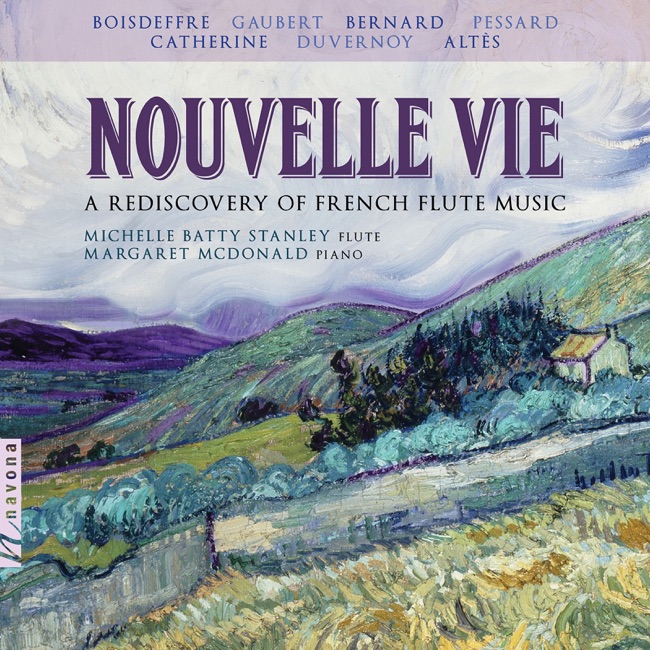 January 12, 2018
 -
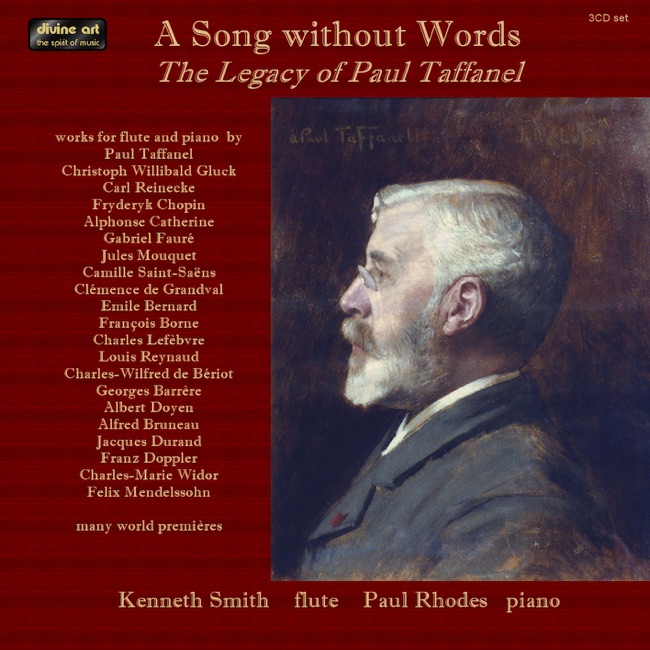 July 10, 2010
Artist Info
Role:ComposerAlphonse Catherine was a French composer of classical music who lived from 1880 to 1951. He was born in the city of Lyon, France, and showed an early interest in music. His parents were both amateur musicians, and they encouraged him to pursue his passion for music from a young age. Catherine began his formal musical education at the age of six, when he started taking piano lessons. He quickly showed a talent for the instrument, and by the age of ten, he was already composing his own music. He continued his studies at the Conservatoire de Lyon, where he studied composition, harmony, and counterpoint. After completing his studies at the Conservatoire de Lyon, Catherine moved to Paris to further his musical education. He enrolled at the Conservatoire de Paris, where he studied under some of the most renowned composers of the time, including Gabriel Fauré and Maurice Ravel. It was during this time that Catherine began to develop his own unique style of composition, which blended elements of traditional French music with more modern influences. Catherine's early works were heavily influenced by the Impressionist movement in music, which was popular in France at the time. His compositions were characterized by their use of rich harmonies, delicate melodies, and a sense of fluidity and movement. Some of his most notable early works include his Piano Sonata No. 1, which was composed in 1905, and his String Quartet No. 1, which was composed in 1908. In the years that followed, Catherine continued to refine his style and develop his skills as a composer. He began to experiment with different forms and structures, and his music became more complex and intricate. He also began to incorporate elements of other musical traditions into his work, including jazz and folk music. One of Catherine's most significant works is his Symphony No. 1, which was composed in 1917. The symphony is a powerful and emotional work that reflects the turmoil and upheaval of the First World War. It is characterized by its use of bold, sweeping melodies, and its complex harmonies and rhythms. The symphony was well-received by audiences and critics alike, and it helped to establish Catherine as one of the leading composers of his time. In the years that followed, Catherine continued to compose a wide range of works, including operas, ballets, and chamber music. He also became increasingly involved in the French music scene, and he was a frequent collaborator with other musicians and artists. He was particularly close to the composer Francis Poulenc, and the two men often worked together on projects. Catherine's later works were characterized by their use of more experimental forms and structures. He began to incorporate elements of atonality and serialism into his music, and his compositions became more abstract and challenging. Some of his most notable later works include his Piano Sonata No. 2, which was composed in 1935, and his String Quartet No. 3, which was composed in 1948. Despite his many accomplishments as a composer, Catherine remained a humble and modest man throughout his life. He was deeply committed to his craft, and he continued to compose music until his death in 1951. Today, he is remembered as one of the most important composers of the 20th century, and his music continues to be performed and celebrated around the world.More....
Copyright Ⓒ 2013 Davinci Finger. All rights reseved
Service Terms & Policy