


Saburo Moroi
Released Album
Vocal
-
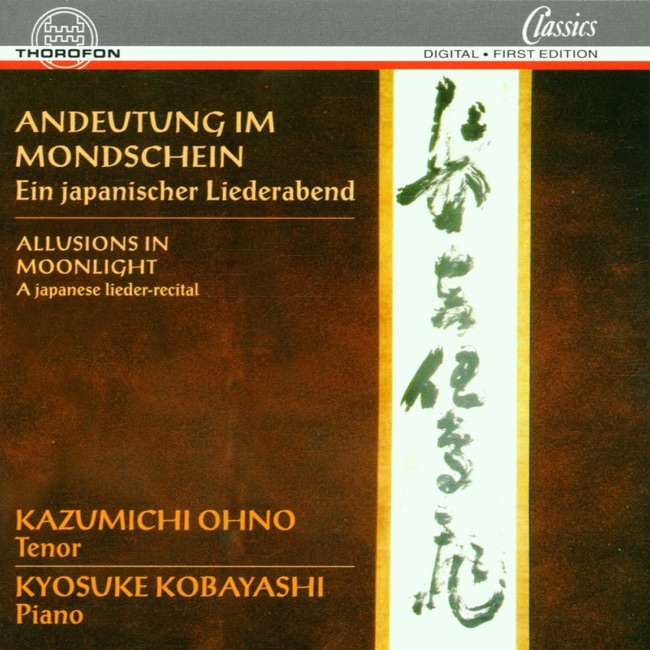 June 18, 1996
Keyboard
-
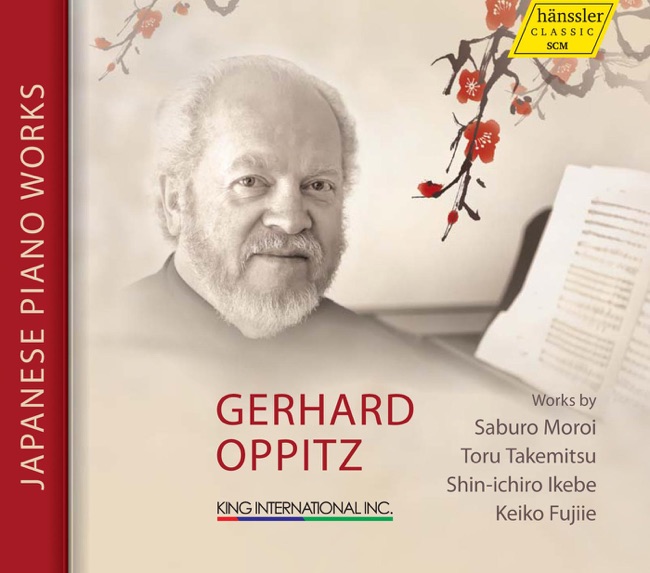 August 30, 2011
Artist Info
Role:ComposerCountry: JapanBirth:August 7, 1903 in Tokyo, JapanDeath:March 24, 1977Genre:VocalSaburo Moroi was a Japanese composer who was born on August 16, 1903, in Tokyo, Japan. He was the youngest of six children and was raised in a family that valued education and the arts. His father was a successful businessman who encouraged his children to pursue their passions, and Moroi's passion was music. Moroi began studying music at a young age, and by the time he was a teenager, he was already composing his own pieces. He studied composition with Kozaburo Hirai, a prominent Japanese composer, and also studied piano and conducting. In 1926, Moroi graduated from the Tokyo Music School (now the Tokyo University of the Arts) with a degree in composition. After graduation, Moroi worked as a music critic for several years, writing for various newspapers and magazines. He also continued to compose, and in 1930, he won first prize in a national competition for his Symphony No. 1. This success led to more commissions and performances, and Moroi quickly became one of Japan's most respected composers. Moroi's music was heavily influenced by Western classical music, particularly the works of Beethoven, Brahms, and Mahler. However, he also incorporated elements of Japanese traditional music into his compositions, creating a unique and distinctive sound. His music was often described as "romantic" and "lyrical," with a strong emphasis on melody and harmony. One of Moroi's most famous works is his Symphony No. 2, which he composed in 1944. The symphony is a powerful and emotional work that reflects the turmoil of the time in which it was written. Japan was in the midst of World War II, and Moroi's music reflects the fear, uncertainty, and sadness of the time. The symphony was premiered in 1945, just months before the end of the war, and it quickly became one of Moroi's most popular works. In addition to his symphonies, Moroi also composed a number of other works, including chamber music, choral music, and operas. One of his most famous operas is "The Lady Aoi," which is based on a play by the Japanese author Yukio Mishima. The opera premiered in 1953 and was a critical and commercial success. Throughout his career, Moroi received numerous awards and honors for his contributions to music. In 1952, he was awarded the Order of Culture, one of Japan's highest honors for artists and scholars. He also received the Suntory Music Award in 1964 and the Japan Art Academy Prize in 1973. Moroi continued to compose and teach until his death on October 24, 1977, at the age of 74. His legacy lives on through his music, which continues to be performed and admired by musicians and audiences around the world.More....
Copyright Ⓒ 2013 Davinci Finger. All rights reseved
Service Terms & Policy