


Roland Moser
Released Album
Chamber
-
 August 21, 2015
 -
 January 27, 2015
 -
 October 28, 2014
 -
 June 24, 2008
 -
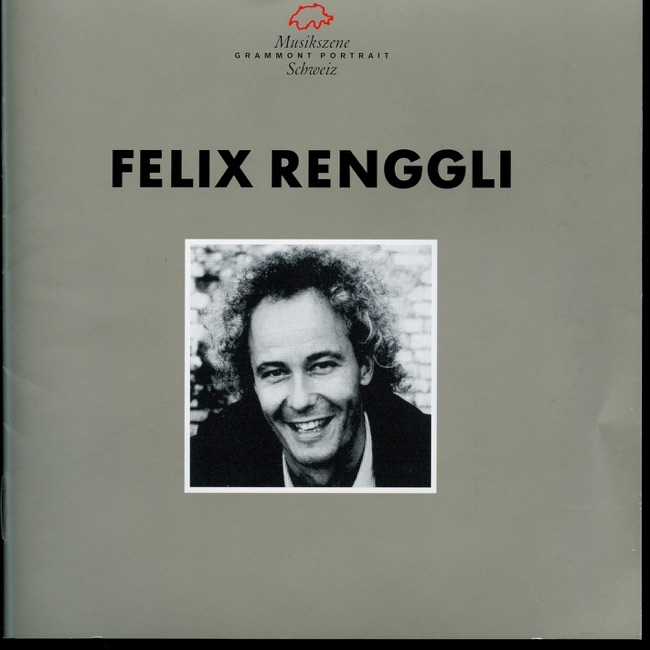 May 29, 2001
Artist Info
Role:Composer PerformerCountry: SwitzerlandBirth:1943Period:ContemporaryGenre:ChamberConcertoVocalRoland Moser is a Swiss composer who was born on August 28, 1943, in Basel, Switzerland. He grew up in a family of musicians, with his father being a conductor and his mother a pianist. Moser started playing the piano at a young age and showed a great interest in music. He went on to study music at the Basel Conservatory, where he received his diploma in piano and composition. After completing his studies, Moser worked as a freelance composer and pianist. He gained recognition for his compositions, which were often experimental and avant-garde. Moser was influenced by the works of composers such as Arnold Schoenberg, Anton Webern, and Pierre Boulez, who were known for their atonal and serialist compositions. Moser's early works were characterized by their complexity and dissonance. He experimented with different techniques, such as serialism and aleatoric music, which allowed for chance elements in the composition. Moser's compositions were often challenging for performers and audiences alike, but they were also highly regarded by critics. In the 1970s, Moser's style began to evolve. He started incorporating tonal elements into his compositions, which made them more accessible to a wider audience. Moser's works from this period were still experimental, but they were also more melodic and harmonious. One of Moser's most significant works from this period is his opera "Der Rote Mantel" (The Red Coat), which premiered in 1978. The opera is based on a play by Swiss writer Max Frisch and tells the story of a man who is haunted by the memory of a red coat he saw as a child. The opera was well-received and helped establish Moser as a major figure in contemporary classical music. In the 1980s, Moser continued to explore tonality in his compositions. He also started incorporating elements of jazz and popular music into his works. Moser's compositions from this period were more accessible than his earlier works, but they still retained his signature experimental style. One of Moser's most famous works from this period is his "Concerto for Piano and Orchestra," which premiered in 1985. The concerto is a fusion of classical and jazz music and features a virtuosic piano solo. The concerto was well-received and has since become a staple of the contemporary classical repertoire. In the 1990s, Moser's style continued to evolve. He started incorporating elements of world music into his compositions, which gave them a more global perspective. Moser's works from this period were also more introspective and reflective. One of Moser's most significant works from this period is his "Requiem," which premiered in 1995. The requiem is a tribute to Moser's father, who had passed away a few years earlier. The work is a fusion of classical and world music and features a choir, soloists, and orchestra. The requiem is a deeply personal work that showcases Moser's ability to blend different musical styles. In the 2000s, Moser continued to compose and experiment with different musical styles. He also started teaching composition at the Basel Conservatory, where he had studied many years earlier. Moser's compositions from this period were more introspective and reflective, and they often explored themes of mortality and spirituality. One of Moser's most significant works from this period is his "Symphony No. 3," which premiered in 2008. The symphony is a tribute to the Swiss writer Robert Walser and features a choir, soloists, and orchestra.More....
Recent Artist Music

6
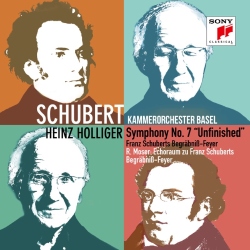
Echo room to 'Franz Schubert's funeral Feyer, D. 79'
Echoraum zu "Franz Schuberts Begräbniß-Feyer, D. 79"
6:40
Copyright Ⓒ 2013 Davinci Finger. All rights reseved
Service Terms & Policy