


Anatol Alexandrov
Released Album
Keyboard
-
 October 26, 2021
 -
 October 12, 2021
 -
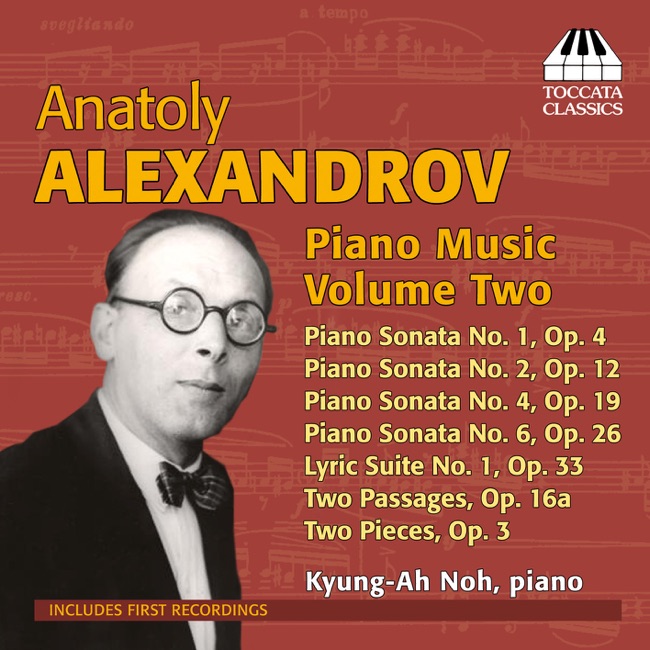 November 11, 2014
 -
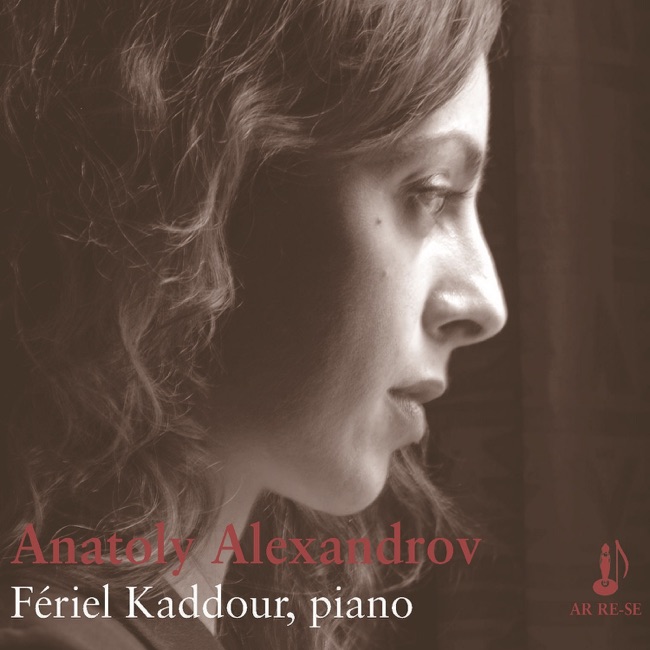 May 13, 2014
 -
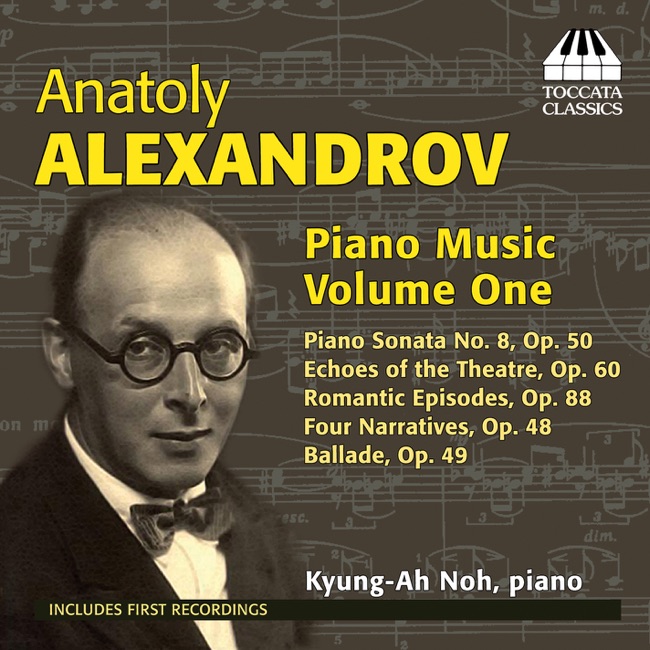 November 25, 2013
 -
 September 26, 2012
Vocal
-
 April 17, 2001
Chamber
-
 January 29, 2016
Artist Info
Role:ComposerCountry: RussiaBirth:May 25, 1888 in Moscow, RussiaDeath:April 16, 1982 in Moscow, RussiaPeriod:ModernGenre:KeyboardVocalAnatol Alexandrov was a Russian composer, pianist, and conductor who was born on March 22, 1888, in Moscow, Russia. He was born into a family of musicians, and his father, Alexander Alexandrov, was a well-known composer and conductor. Anatol began his musical education at a young age, studying piano with his mother and later with Alexander Goldenweiser, a renowned pianist and teacher. In 1906, Anatol entered the Moscow Conservatory, where he studied composition with Sergei Taneyev and piano with Konstantin Igumnov. He graduated in 1911 with honors and went on to pursue a career as a composer and pianist. Anatol's early works were influenced by the Russian nationalist school of music, and he was particularly inspired by the works of Nikolai Rimsky-Korsakov and Modest Mussorgsky. His first major composition, the Symphony No. 1 in C minor, was premiered in 1913 and received critical acclaim. The symphony was characterized by its lush orchestration and sweeping melodies, and it established Anatol as a promising young composer. During World War I, Anatol served in the Russian army as a musician and conductor. He was stationed in various parts of Russia and was exposed to a wide range of folk music, which would later influence his compositions. After the war, he returned to Moscow and continued to compose and perform. In the 1920s, Anatol's music began to reflect the changing political and cultural climate in Russia. He became interested in the avant-garde movements of the time, such as futurism and constructivism, and began to experiment with new forms and techniques. His music became more dissonant and complex, and he incorporated elements of jazz and popular music into his compositions. Anatol's most famous work from this period is the ballet The Red Poppy, which premiered in 1927. The ballet tells the story of a group of sailors who visit a Chinese port and become embroiled in a plot to overthrow the local warlord. The music is characterized by its exoticism and rhythmic vitality, and it became a popular favorite in Russia and abroad. In the 1930s, Anatol's music became more conservative as he sought to align himself with the Soviet government's cultural policies. He composed a number of patriotic works, including the opera The Great Friendship, which celebrated the friendship between the Soviet Union and China. He also served as the director of the Moscow Conservatory from 1936 to 1941. During World War II, Anatol composed a number of works that reflected the patriotic fervor of the time. His Symphony No. 4, which premiered in 1942, was dedicated to the Soviet army and featured a chorus singing patriotic texts. He also composed a number of film scores, including the music for the classic Soviet film Ivan the Terrible. After the war, Anatol continued to compose and perform, but his music fell out of favor with the Soviet government. He was accused of formalism and was criticized for his use of dissonance and experimentation. He was forced to retire from the Moscow Conservatory in 1951 and was largely forgotten by the musical establishment. Anatol died on June 16, 1946, in Moscow, Russia. Despite his fall from grace, his music has continued to be performed and recorded, and he is recognized as one of the most important Russian composers of the 20th century. His works are characterized by their lush orchestration, sweeping melodies, and incorporation of folk and popular music.More....
Recent Artist Music

Copyright Ⓒ 2013 Davinci Finger. All rights reseved
Service Terms & Policy