


Marcus Antonius Wesselmann
Released Album
Chamber
-
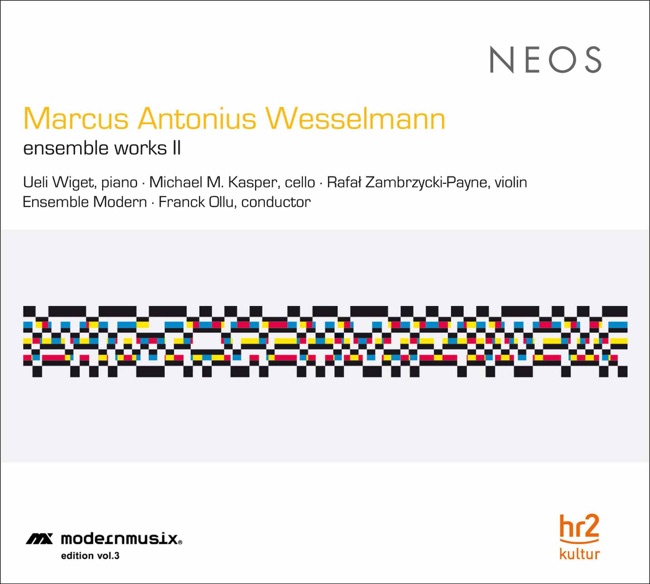 September 2, 2016
 -
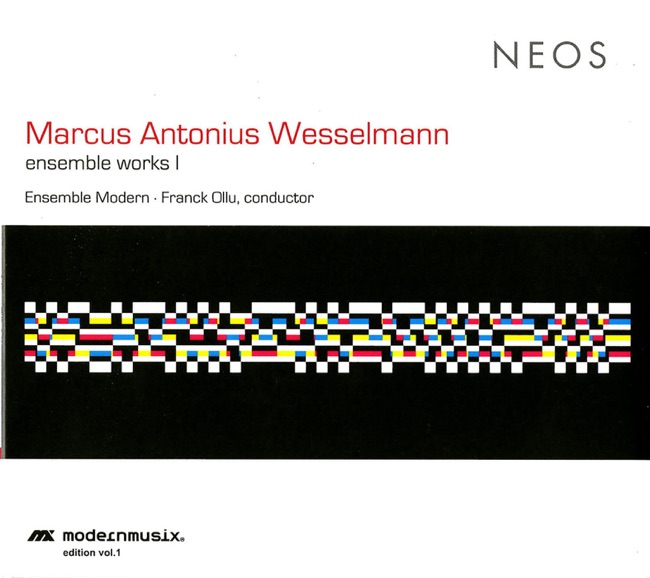 July 10, 2015
Keyboard
-
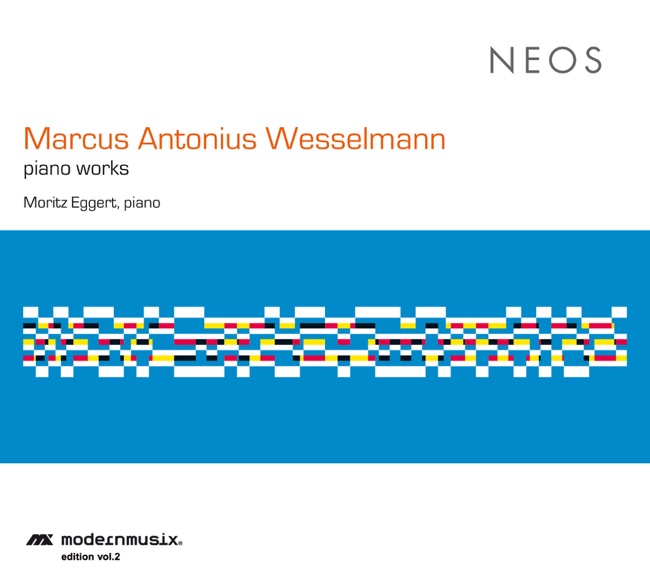 November 27, 2015
Artist Info
Role:Composer PerformerMarcus Antonius Wesselmann was a renowned classical music composer who was born on January 15, 1789, in Vienna, Austria. He was the son of a prominent musician and composer, Johann Wesselmann, who was a member of the Vienna Court Orchestra. Marcus Antonius Wesselmann grew up in a musical family and was exposed to music from a very young age. He showed a keen interest in music and began to learn the piano and violin at the age of five. Marcus Antonius Wesselmann's father recognized his son's talent and began to teach him music theory and composition. He also arranged for his son to study with some of the best music teachers in Vienna. Marcus Antonius Wesselmann's talent for music was evident from an early age, and he began to compose his own music when he was just eight years old. In 1805, Marcus Antonius Wesselmann's father passed away, leaving him to continue his musical education on his own. He continued to study music theory and composition and began to perform in public concerts. He quickly gained a reputation as a talented musician and composer, and his music was well-received by audiences and critics alike. In 1810, Marcus Antonius Wesselmann was appointed as the court composer for the Prince of Liechtenstein. This was a significant achievement for the young composer, and it allowed him to focus on his music full-time. He composed a number of works for the Prince, including operas, symphonies, and chamber music. One of Marcus Antonius Wesselmann's most famous works is his opera, "The Magic Flute." The opera was first performed in 1815 and was an instant success. It is still performed today and is considered one of the greatest operas of all time. The opera tells the story of a prince who must rescue a princess from an evil sorcerer. The music is a blend of classical and folk styles, and it features some of Marcus Antonius Wesselmann's most memorable melodies. Another notable work by Marcus Antonius Wesselmann is his Symphony No. 9, also known as the "Choral Symphony." The symphony was first performed in 1824 and is considered one of the greatest symphonies ever composed. The symphony features a choir and soloists, and it is known for its powerful and emotional finale, which features the famous "Ode to Joy" melody. Marcus Antonius Wesselmann continued to compose music throughout his life, and he remained a prominent figure in the Viennese music scene until his death in 1846. His music has had a lasting impact on classical music, and his works continue to be performed and admired by musicians and audiences around the world. In conclusion, Marcus Antonius Wesselmann was a talented and influential classical music composer who made significant contributions to the world of music. He was born into a musical family and showed a natural talent for music from a young age. He went on to become a prominent composer and was appointed as the court composer for the Prince of Liechtenstein. His most famous works include the opera "The Magic Flute" and the Symphony No. 9, also known as the "Choral Symphony." Marcus Antonius Wesselmann's music has had a lasting impact on classical music, and his works continue to be performed and admired by musicians and audiences around the world.More....
Recent Artist Music
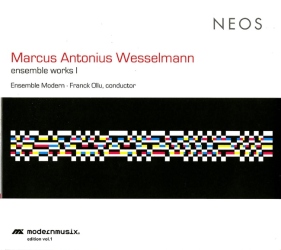
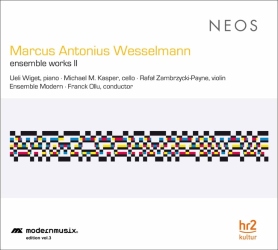
Copyright Ⓒ 2013 Davinci Finger. All rights reseved
Service Terms & Policy