


Enoch Sontonga
Released Album
Choral
-
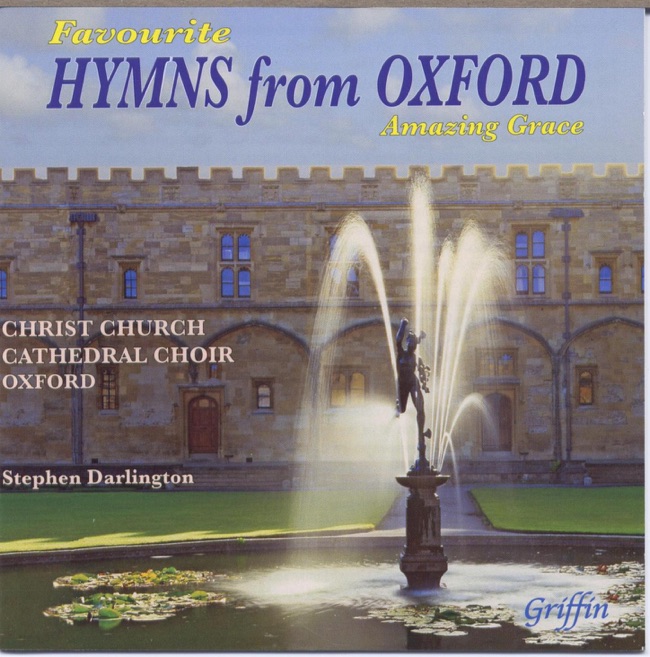 November 9, 2004
 -
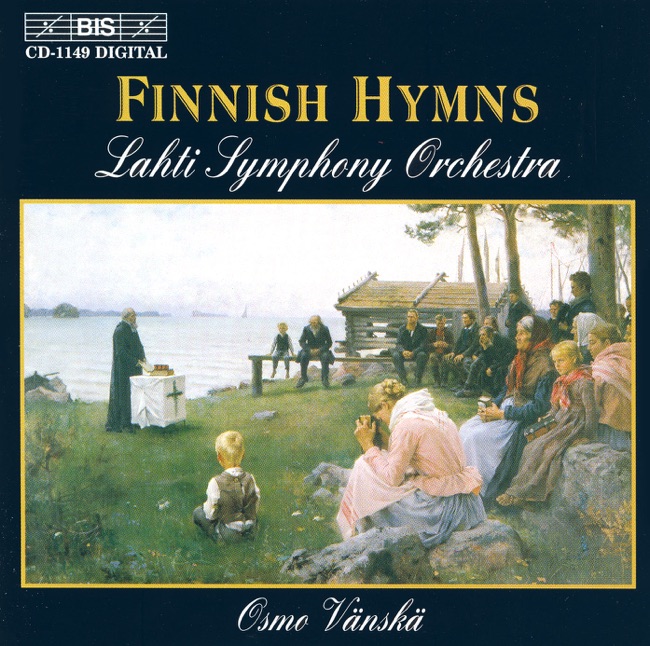 January 29, 2002
 -
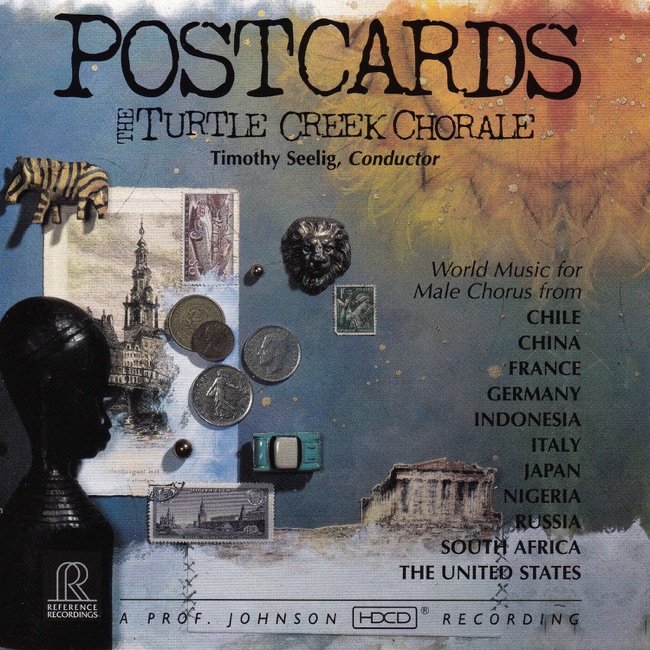 January 13, 1995
Artist Info
Role:ComposerCountry: South AfricaBirth:1873 in Eastern CapeDeath:April 18, 1905Genre:ChoralEnoch Sontonga was a South African composer and teacher who is best known for composing the hymn "Nkosi Sikelel' iAfrika," which later became the national anthem of South Africa. Sontonga was born on August 17, 1873, in Uitenhage, a small town in the Eastern Cape province of South Africa. He was the son of a shoemaker and grew up in a devout Christian family. Sontonga showed an early interest in music and began singing in the church choir at a young age. He also taught himself to play the piano and the organ. Despite his musical talent, Sontonga was unable to pursue formal music education due to the limited opportunities available to black South Africans at the time. In 1896, Sontonga moved to Johannesburg to work as a teacher. He continued to pursue his musical interests and became involved in the local choir scene. In 1897, he composed "Nkosi Sikelel' iAfrika," which was originally intended as a hymn for his school choir. The hymn quickly gained popularity and was soon being sung by choirs throughout South Africa. The lyrics of "Nkosi Sikelel' iAfrika" are a prayer for God's blessing on Africa and its people. The hymn was written in Xhosa, one of the official languages of South Africa, and was later translated into other languages, including English. The melody of the hymn is based on a traditional Xhosa melody, which Sontonga adapted and arranged for choir. Despite the popularity of "Nkosi Sikelel' iAfrika," Sontonga did not receive much recognition for his composition during his lifetime. He continued to work as a teacher and choir director in Johannesburg, and also wrote other hymns and songs. Sontonga died in 1905 at the age of 32, leaving behind a legacy as one of South Africa's most important composers. After Sontonga's death, "Nkosi Sikelel' iAfrika" continued to be sung by choirs and became an important symbol of the struggle for freedom and equality in South Africa. During the apartheid era, the hymn was banned by the government due to its association with the anti-apartheid movement. However, it remained a powerful symbol of resistance and was often sung at political rallies and protests. In 1994, after the end of apartheid, "Nkosi Sikelel' iAfrika" was adopted as the national anthem of South Africa. The anthem is now sung at official events and ceremonies throughout the country, and is recognized as a symbol of unity and hope for the future. In addition to "Nkosi Sikelel' iAfrika," Sontonga composed several other hymns and songs during his lifetime. These include "Bawo Thixo Somandla," "Sodwa Ndenzeni Na?," and "Ulo Thixo Omkhulu." While these works are not as well-known as "Nkosi Sikelel' iAfrika," they are still performed by choirs and musicians in South Africa today. Sontonga's legacy as a composer and teacher continues to inspire musicians and music educators in South Africa and beyond. His contributions to the development of choral music in South Africa, and his role in creating one of the country's most important cultural symbols, have earned him a place in the history of classical music and the struggle for freedom and equality in South Africa.More....


Copyright Ⓒ 2013 Davinci Finger. All rights reseved
Service Terms & Policy