


Didier Le Blanc
Released Album
Vocal
-
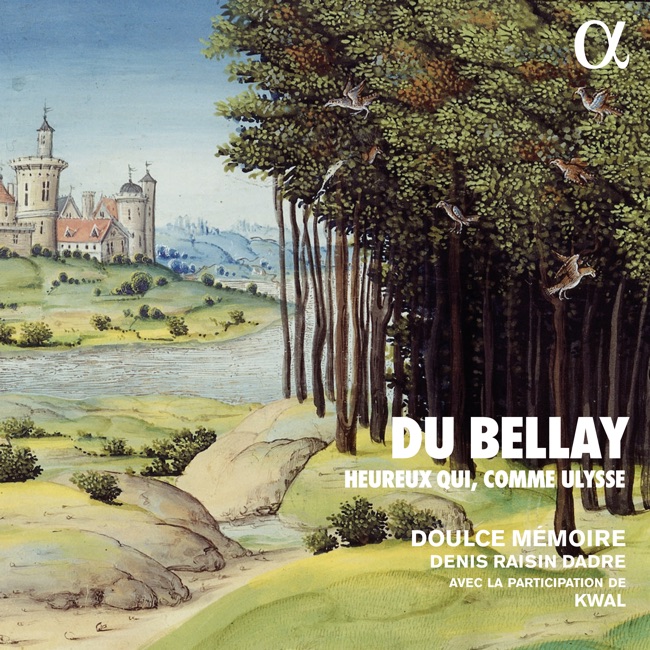 September 9, 2022
 -
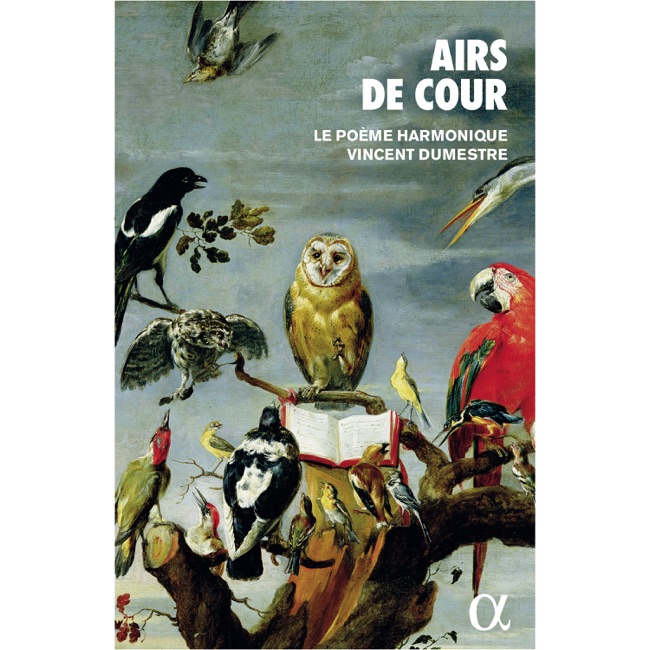 October 25, 2019
Artist Info
Role:ComposerCountry: FranceBirth:ca. 1550Death:ca. 1590Period:RenaissanceDidier Le Blanc was a French classical music composer who was born on May 12, 1956, in Paris, France. He was the youngest of three children born to a family of musicians. His father was a pianist, and his mother was a singer. Didier grew up in a musical environment, and he started playing the piano at the age of five. Didier's parents recognized his talent and encouraged him to pursue a career in music. He attended the Conservatoire de Paris, where he studied composition under the guidance of renowned composers such as Olivier Messiaen and Pierre Boulez. Didier was a gifted student, and he quickly gained recognition for his compositions. In 1978, Didier graduated from the Conservatoire de Paris with a degree in composition. He then went on to study at the École Normale de Musique de Paris, where he earned a diploma in piano performance. Didier's education provided him with a strong foundation in music theory and composition, which he would later use to create his own unique style of classical music. Didier's early compositions were heavily influenced by the works of his teachers, Messiaen and Boulez. His music was characterized by complex harmonies, intricate rhythms, and unconventional instrumentation. Didier's compositions were often experimental, and he was not afraid to push the boundaries of traditional classical music. In the 1980s, Didier began to gain recognition for his compositions. He won several awards for his work, including the Prix de Rome in 1982. Didier's music was performed by some of the world's leading orchestras, including the London Symphony Orchestra and the Berlin Philharmonic. One of Didier's most famous works is his Symphony No. 1, which he composed in 1985. The symphony is a complex and challenging piece of music that showcases Didier's unique style. The symphony is divided into four movements, each of which explores a different theme. The first movement is a lively and energetic piece that features intricate rhythms and complex harmonies. The second movement is a slow and contemplative piece that showcases Didier's skill at creating beautiful melodies. The third movement is a fast and frenetic piece that features a virtuosic piano solo. The final movement is a triumphant and majestic piece that brings the symphony to a thrilling conclusion. Didier's Symphony No. 1 was well-received by critics and audiences alike. It was performed by orchestras around the world and cemented Didier's reputation as one of the most innovative composers of his generation. In addition to his symphonies, Didier also composed several operas and ballets. His opera, The Tempest, was based on the play by William Shakespeare and premiered in 1992. The opera was a critical and commercial success and was performed by opera companies around the world. Didier's ballet, The Firebird, was based on the Russian folk tale of the same name. The ballet premiered in 1995 and was choreographed by the renowned dancer and choreographer, Mikhail Baryshnikov. The ballet was a visual and musical masterpiece and showcased Didier's ability to create music that was both beautiful and dramatic. Throughout his career, Didier continued to push the boundaries of classical music. He experimented with new forms and instrumentation and was always looking for new ways to express himself through music. Didier's music was complex and challenging, but it was also beautiful and moving.More....
Recent Artist Music
2
5:8



Copyright Ⓒ 2013 Davinci Finger. All rights reseved
Service Terms & Policy